The Critical Intersection of Asbestos Abatement and Demolition
Building demolition in New Jersey is a complex undertaking, often driven by a range of factors from structural instability to strategic urban renewal. We frequently encounter projects necessitated by severe structural failure, where a building has simply deteriorated beyond repair, or extensive fire damage that leaves a structure unsafe and unsalvageable. Redevelopment initiatives also play a significant role, as older, inefficient buildings are cleared to make way for modern, high-value commercial or residential projects. Regardless of the catalyst, the process demands meticulous planning, especially when dealing with hazardous materials.
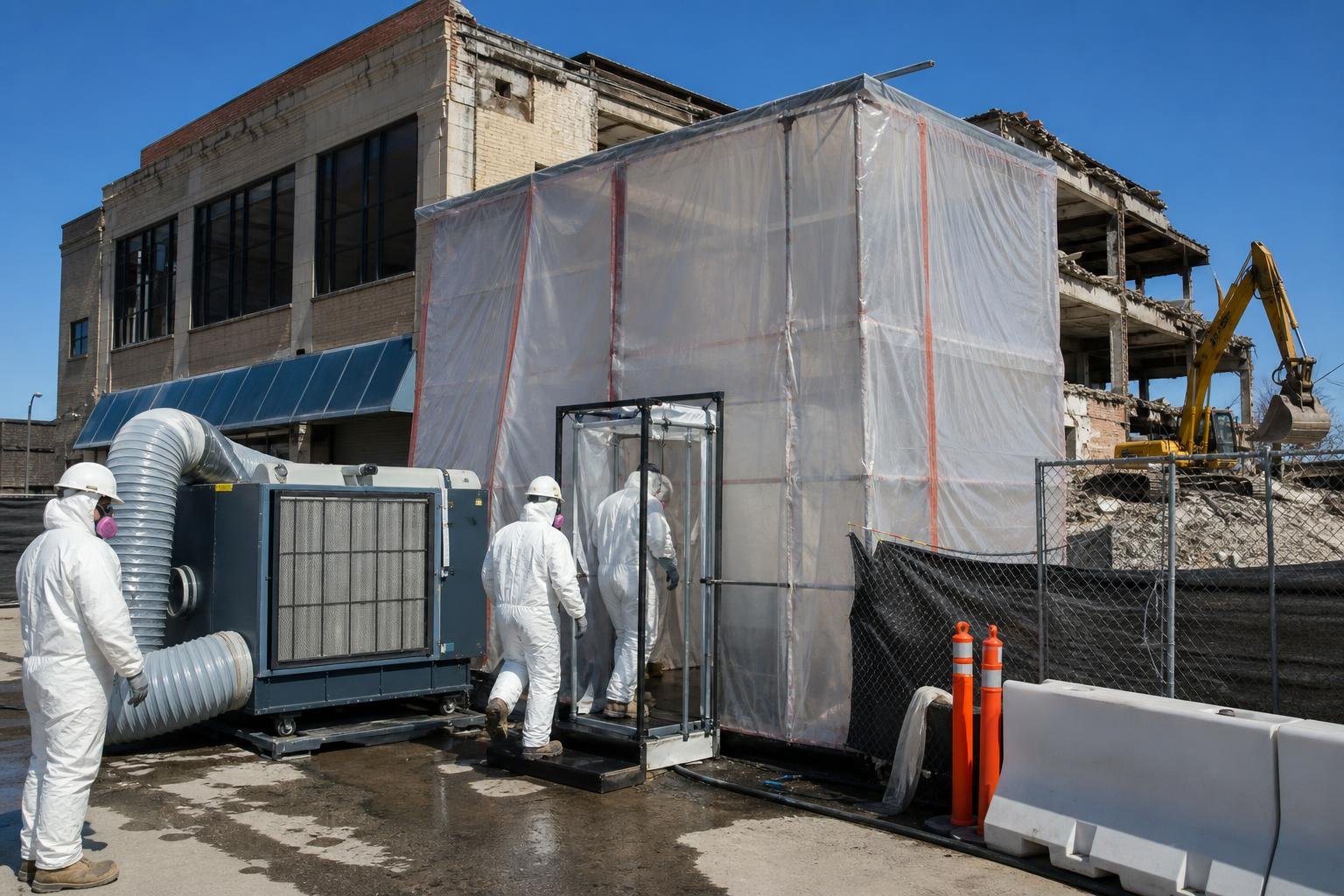
A crucial, often non-negotiable, step in demolishing older structures is comprehensive asbestos abatement. Asbestos, a naturally occurring mineral fiber, was widely used in construction materials for its heat resistance and insulating properties until the late 20th century. When these materials are disturbed during demolition, asbestos fibers can become airborne, posing severe health risks, including lung cancer and mesothelioma, to workers and the surrounding community. Therefore, safely removing asbestos before demolition is paramount. Our commitment to public health and safety means ensuring that all hazardous materials are properly identified, contained, and removed according to stringent protocols. For a deeper understanding of the comprehensive process involved in safely dismantling structures, including critical steps like hazardous material removal, we encourage you to explore resources on asbestos abatement and demolition. This ensures that every project, from a small residential tear-down to a large commercial complex, is executed with the highest safety standards.
Regulatory Frameworks for Asbestos Abatement and Demolition
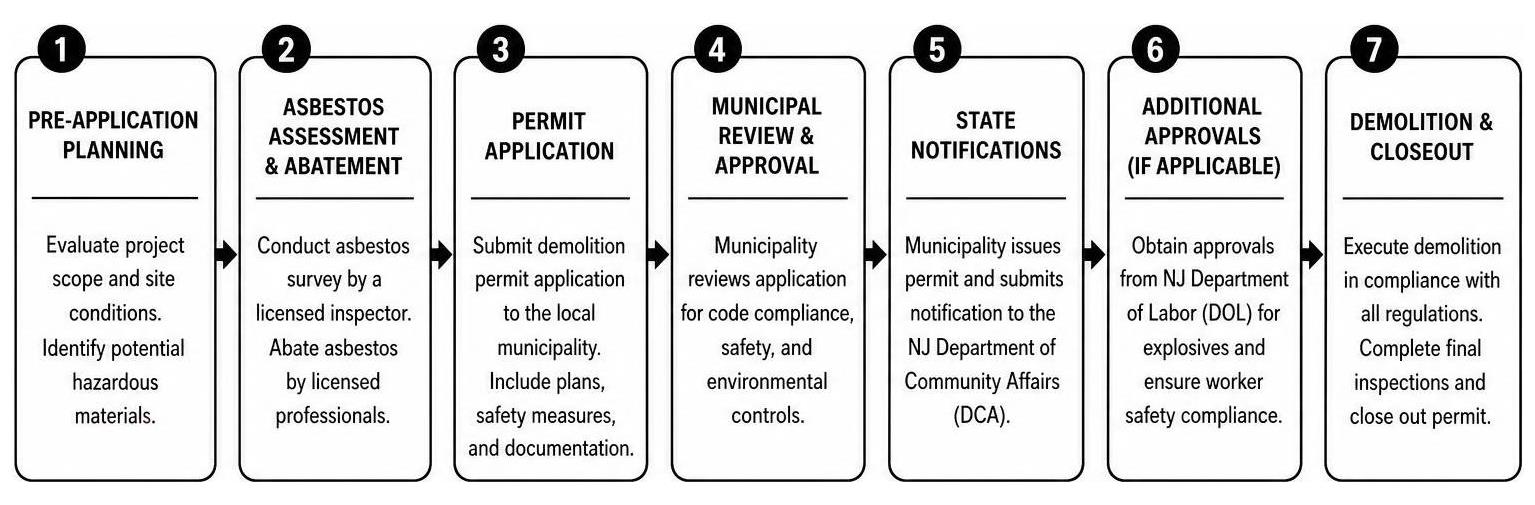
New Jersey maintains a robust regulatory framework to oversee demolition activities, ensuring public safety and environmental protection. Key state agencies involved include the New Jersey Department of Community Affairs (DCA) and the Department of Labor (DOL). The DCA plays a central role in tracking and approving demolition permits. Through initiatives like the yearly summary data on demolition permits, the Development Trends Viewer, and the Permit Activity Dashboard, the DCA provides transparency and oversight into both residential and nonresidential demolitions across every county and municipality since 2004. This data helps us understand broader development patterns and ensures compliance at the local level.
The Department of Labor (DOL), on the other hand, is primarily responsible for regulating the handling of explosives used in controlled demolitions, as well as enforcing worker safety standards, particularly concerning hazardous materials like asbestos, adds Meridian Residential Moncks Corner. Any project involving explosives, such as the implosion of large structures, requires explicit approval and strict oversight from the DOL. Municipalities also have their own layers of regulation, requiring permits that detail the scope of work, safety plans, and environmental controls. Navigating these multi-layered regulations is a critical part of our planning process, ensuring every demolition project adheres to all state and local requirements.
Environmental and Public Safety in Asbestos Abatement and Demolition
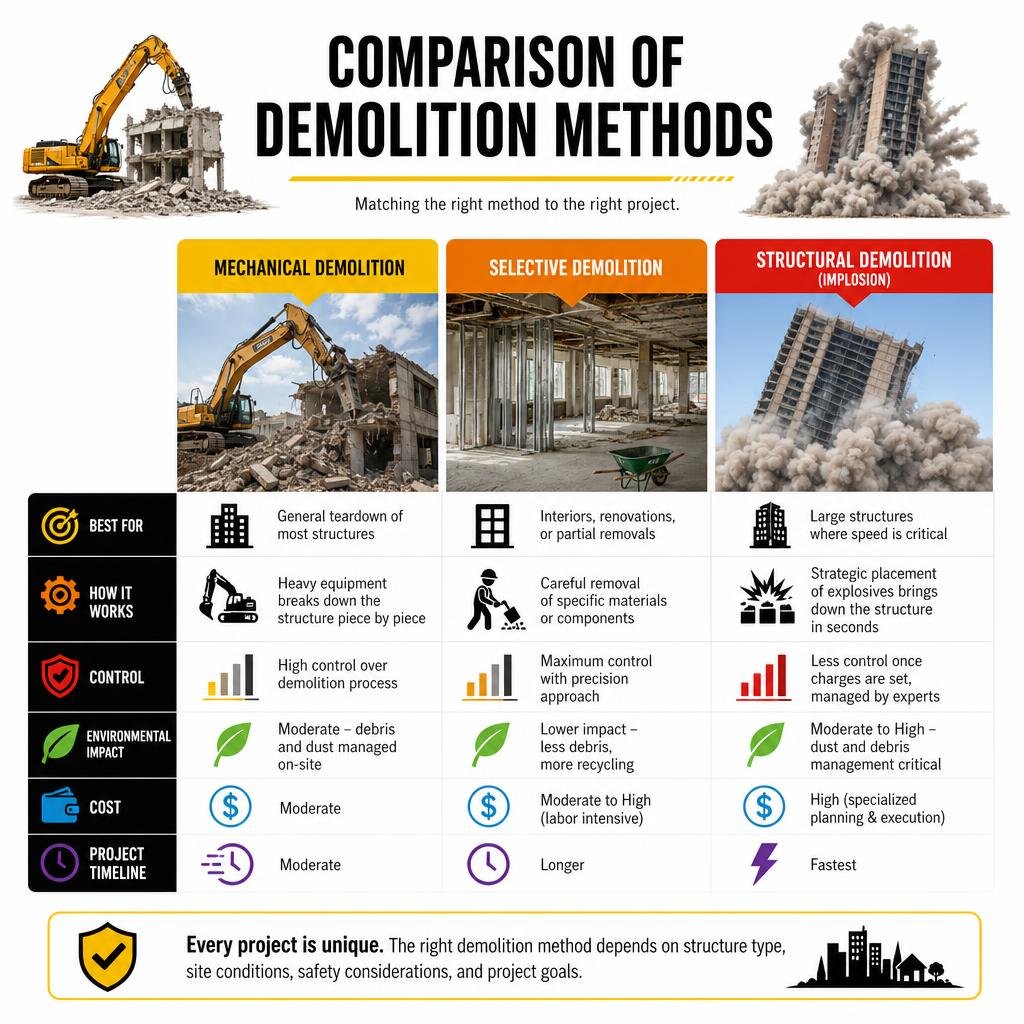
The environmental and public safety considerations during a demolition project, especially when dealing with controlled implosions versus mechanical demolition, are extensive. Controlled implosions, while dramatically quick, generate significant dust and require meticulous planning for air quality monitoring and dust suppression. For instance, the implosion of the 22-story Sheraton Crossroads Hotel in Mahwah on May 10, 2024, necessitated extensive coordination with State Police to halt traffic on major highways like Routes 17 and 287 to ensure public safety. Such events highlight the need for precise execution and comprehensive safety perimeters.
Mechanical demolition, while often slower, also demands careful attention to environmental impacts. Dust control measures, such as water misting, are routinely employed to minimize airborne particles. Crucially, before any demolition begins, thorough assessments for hazardous materials, including asbestos, lead paint, and PCBs, are conducted. Our process includes the safe removal and disposal of these materials, preventing their release into the environment. Asbestos abatement is a specialized field, requiring certified professionals to safely contain and remove the material, followed by proper disposal at approved facilities. This proactive approach safeguards both the immediate work area and the broader community from potential health hazards.
Balancing Historical Preservation with Public Safety Hazards
The demolition of historically significant buildings in New Jersey often presents a delicate balance between preserving heritage and ensuring public safety. Local preservation commissions and planning boards frequently grapple with these decisions. While Historic Preservation Commissions (HPCs) are tasked with protecting historic structures, their recommendations can sometimes conflict with immediate public safety concerns. For example, the Van Duyne Cider Mill in Montville, built in 1795, was approved for demolition in July 2026 despite its historical significance. The Montville Planning Board ultimately overturned the HPC’s denial due to the building’s severe disrepair, collapsing roof, and immediate danger to public safety, especially given its proximity to a public roadway. This case illustrates how public safety can, and often must, take precedence.
Similarly, the historic Roebling Block II in Trenton, a factory that operated from 1848 to 1973, began demolition in July 2026. After more than 50 years of neglect and deterioration, city officials determined that demolition was necessary due to safety concerns. In such instances, while the physical structure may be lost, efforts are often made to preserve its historical record. A Historic American Building Survey (HABS), for instance, can be conducted to document the building’s architectural details through drawings and photographs for the Library of Congress. This practice allows us to honor the past while responsibly addressing present-day safety imperatives.
Managing High-Risk and Emergency Demolition Scenarios
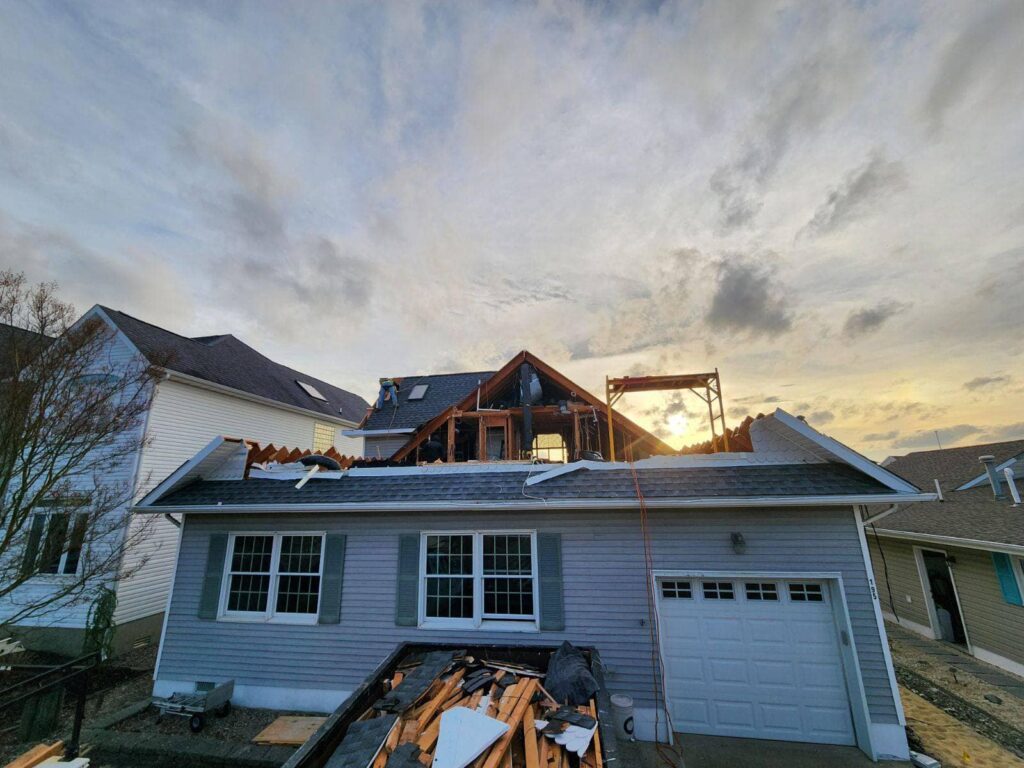
Emergency demolitions are a critical aspect of building demolition in New Jersey, typically triggered by unforeseen events like severe storms, fires, or sudden structural collapses. These situations demand immediate action to mitigate imminent threats to public safety. Municipalities, often in coordination with county and state agencies, must act swiftly, sometimes bypassing standard permitting and bidding processes to secure rapid contractor response. This immediate response, while necessary, can lead to significant financial and legal implications for property owners. Our experience in such high-pressure scenarios underscores the importance of efficient coordination and adherence to emergency protocols.
Emergency Demolitions and Municipal Cost Recovery
When an emergency demolition becomes necessary, New Jersey municipalities have established procedures to handle the process and recover costs. For example, following a four-alarm fire in South Orange in March 2026, two buildings were deemed unsafe and began demolition in July 2026. While property owners are ultimately responsible for these costs, municipalities often front the expense to ensure public safety. A stark example of this is the Jersey City Council’s consideration of placing a lien on a developer after a partially collapsed building at 84 Stegman St. required an emergency demolition costing $114,700 following a July 3rd storm.
In cases where property owners are unresponsive or unable to pay, local governments can recover these costs through municipal liens placed on the property. This prevents the owner from selling the property until the demolition expenses are reimbursed. The Office of Emergency Management (OEM), along with fire and building departments, plays a crucial role in assessing the threat level and authorizing emergency actions. These measures ensure that the financial burden of neglect or unforeseen disaster does not fall solely on taxpayers, while still prioritizing the immediate safety of the community.
Post-Demolition Redevelopment and Economic Trends
Once a building has been safely demolished, the cleared land in New Jersey often becomes a canvas for new development, reflecting current local economic trends. We observe diverse outcomes for these sites. Many strategically located parcels are redeveloped into warehouses, a trend driven by New Jersey’s position as a major logistics hub with excellent access to ports and highways. The former Sheraton Crossroads Hotel site in Mahwah, for example, is being considered for a large commercial warehouse. This reflects a broader shift towards logistics and distribution centers, particularly near major transportation corridors like I-287 and Route 17.
Beyond warehousing, demolished sites are also frequently replaced by new commercial developments, including retail centers, office spaces, or mixed-use properties that combine commercial and residential units. Residential projects, ranging from single-family homes to multi-unit apartment complexes, are also common, especially in areas experiencing population growth or housing shortages. These redevelopment plans are not just about filling empty lots; they are integral to a municipality’s economic growth strategy, aiming to maximize land use, create jobs, and enhance local tax bases. The transformation of these sites contributes significantly to the evolving landscape and economic vitality of New Jersey.
Best Practices for Safe Structural Demolition
Executing a structural demolition project safely and efficiently requires adherence to a set of stringent best practices. Our primary concern is always the safety of our crews, the public, and the surrounding environment. This begins with comprehensive site security, establishing clear perimeters, and controlling access to prevent unauthorized entry. Before any work commences, it is imperative to ensure all utilities—electricity, gas, water, and sewer—are safely disconnected and confirmed by the relevant utility providers. This prevents accidents and ensures a controlled environment.
Crucially, thorough hazardous material testing, particularly for asbestos, is conducted well in advance of demolition. If hazardous materials are identified, certified professionals undertake the necessary abatement procedures, ensuring their safe removal and disposal. Choosing experienced, licensed demolition contractors is paramount. Such professionals possess the expertise to navigate complex regulatory requirements, implement advanced demolition techniques, and manage unforeseen challenges. By prioritizing these best practices, we ensure that every demolition project in New Jersey is completed to the highest standards of safety, compliance, and environmental responsibility, setting the stage for future development and growth.