Trenchless HDPE pipe installation lets crews place underground lines without digging open trenches across busy roads, sidewalks, or parking lots. Project budgets still swing widely from job to job. Ground conditions, crew hours, equipment needs, and pipe specs all shape the final bill on your bid.
How Trenchless Methods Shape Your Budget
Crews pick an installation method based on the job site layout. Horizontal directional drilling bores a fresh path under roads and rivers. Pipe bursting breaks apart an old line and pulls new pipes straight into the same space.
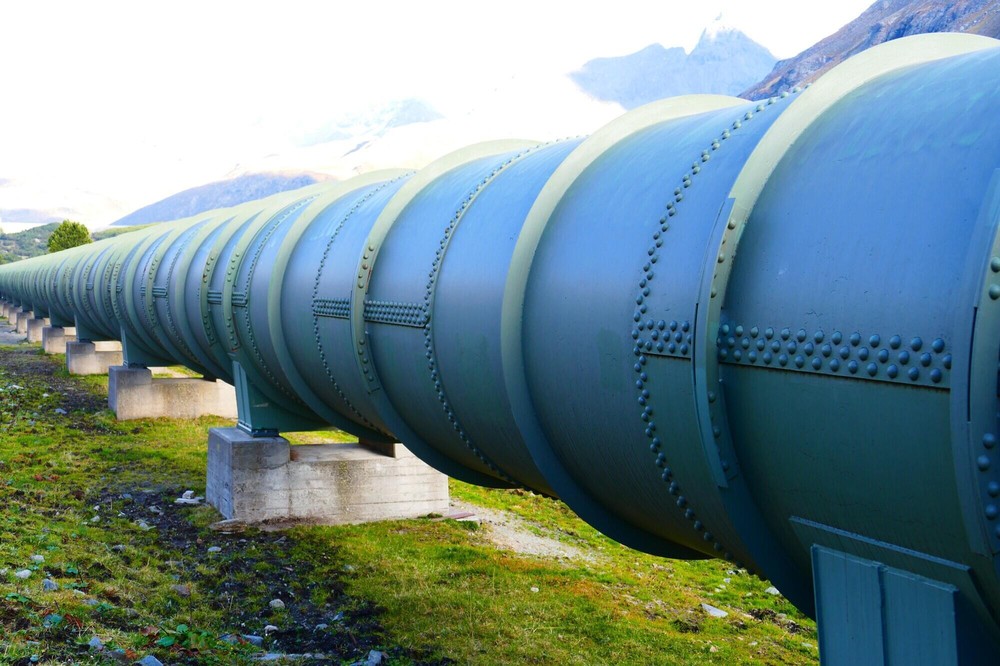
Contractors prefer flexible plastic lines for these underground pulls. A continuous length of high density polyethylene pipe bends smoothly around underground curves without extra joints along the bore path. Fewer buried joints cut down on weak points and speed up the pullback step.
Each method calls for different drill rigs, crew sizes, and staging zones. Crews save hours on site when they can pull a long, welded string in a single pass.
Pipe Diameter, Wall Thickness, and Resin Prices
Pipe size sits near the top of every material quote on a utility job. Larger pipes need more plastic per foot than small service lines. Thicker walls are needed to handle high water pressure or heavy soil loads overhead.
Engineers rate wall thickness with standard dimension ratios. A lower ratio number means a thicker, heavier HDPE pipe that costs more per foot to buy and haul.
Raw material markets control what suppliers charge for finished pipes. Manufacturing cost breakdowns indicate that raw polyethylene resin makes up 70-80% of the final price of a finished pipe. When global resin prices rise or fall, contractor material quotes shift right along with them.
Underground Soil Conditions and Rock Drilling
What lies beneath the ground can double or triple labor hours on a boring job. Soft clay and sandy soil let drill heads move fast with standard bits and low fluid volumes. Hard rock, cobble, and loose gravel force crews to bring in heavy mud motors and rock reamers.
Rock tooling wears out fast and slows daily drilling progress to a crawl. Project estimates show how strongly ground conditions and pipe size affect field expenses. The base drilling rates for 8-12 inch water mains fall between $15 and $30 per foot. The total installed costs can climb to $35 to $70 per foot once soil conditions and site restoration are factored in. Here are some factors to take into consideration:
- Rock and cobble layers
- High groundwater tables
- Frack-out risks
- Bore depth and length
Quality Standards and Certification Requirements
City water and sewer specs almost always call for ASTM-compliant HDPE pipe on public projects. Meeting ASTM rules requires virgin PE4710 resin and strict factory checks during production. These tested pipes cost more upfront than basic utility tubing, but that extra spend prevents leaks and early line failures.
Commercial buildings and plants need FM-approved HDPE pipe for underground fire water mains. Factory Mutual approval involves strict third-party tests for surge pressure, joint strength, and fire service safety. Carrying that rating adds factory overhead and limits supplier choices.
Both rating types require thicker walls and full lot tracking from the factory floor. Project owners pay a higher unit price for certified pipes, but passing city and insurance inspections goes much more smoothly.
Fusion Labor and HDPE Pipe Fittings
Trenchless jobs rely on heat fusion to join separate sticks of pipe into a single string before pulling starts. Certified fusion techs must heat, align, and cool each butt-fusion joint under tight pressure and heat rules. Longer runs mean more hours spent fusing pipes above ground before the drill rig even starts pulling.
Complex layouts call for special HDPE pipe fittings to tie mains into valves, hydrants, and metal lines. Electrofusion couplings, molded tees, and flange adapters add major parts and labor costs to the bill. Tight spaces where big fusion machines cannot fit often force crews to use higher-priced electrofusion parts instead.
Renting hydraulic fusion carriages and data loggers adds daily equipment charges to the job. Data logs verify that every joint met exact heat and pressure targets before the pipe goes underground.
Existing Utilities and Site Access Constraints
City streets and commercial lots rarely offer a clean, empty path underground. Sewer mains, fiber cables, gas lines, and power conduits crowd the ground and force drillers to steer carefully. Crews must locate and verify the exact depth of nearby lines before boring near them to prevent strikes.
Crowded job sites create extra field hurdles that show up on the final invoice. Several site limits regularly drive up daily crew costs:
- Utility potholing
- Tight staging areas
- Traffic control setups
- Bore pit excavation
Mobilization, Drilling Fluids, and Disposal Fees
Moving heavy drill rigs, mud mixing tanks, and excavators onto a site carries a fixed mobilization fee. Short bores of 100 or 200 feet still pay the same hauling and setup costs as longer runs. That fixed overhead raises the price per foot on short jobs.
Drilling fluids cool the drill head, carry dirt cuttings out of the hole, and hold the bore open. Bentonite clay, polymers, and clean water add steady supply costs across the whole schedule. Crews must vacuum up used drilling slurry and haul it to approved dump sites, where tipping fees add another line item.
Permitting, Testing, and Final Restoration
Every trenchless HDPE pipe installation goes through city permitting and final testing before entering service. Local agencies charge review fees for right-of-way permits, land clearances, and stamped bore plans. Once the line is underground, crews run pressure tests and flush the pipe to prove system safety.
Surface cleanup still takes a real share of the budget on trenchless jobs. Boring spares most of the road, but entry pits, exit pits, and test holes still need proper patching. Replacing concrete sidewalks, asphalt strips, and grass wraps up the fieldwork and closes out the job.
Keep Your HDPE Pipe Installation Costs Under Control
Smart budgeting for trenchless HDPE pipe installation starts with looking past the base price per foot of pipe. Soil types, utility crowding, pressure ratings, and fusion work all shape the final bid number.
Gathering solid soil data and clear project specs early keeps underground utility work on budget from the first bore to final testing. Visit our website to stay updated with our latest blog posts.