You leave the salon with perfectly styled hair, polished lashes, or makeup that seems to sit exactly where it should. Then you try to recreate the result at home using products that appear almost identical, and somehow it never looks quite the same.
The difference is rarely one secret product. Professionals combine preparation, tools, positioning, timing, technique, and experience in ways that are easy to overlook when you only see the finished result.
Getting closer to that finish at home starts with understanding what is actually happening during the appointment.
Professional Results Start Before the Treatment
Pay attention the next time you sit down for a beauty appointment. The professional rarely begins immediately.
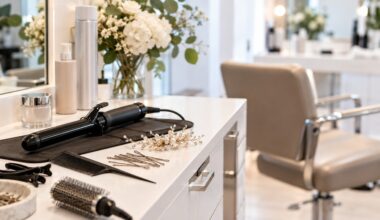
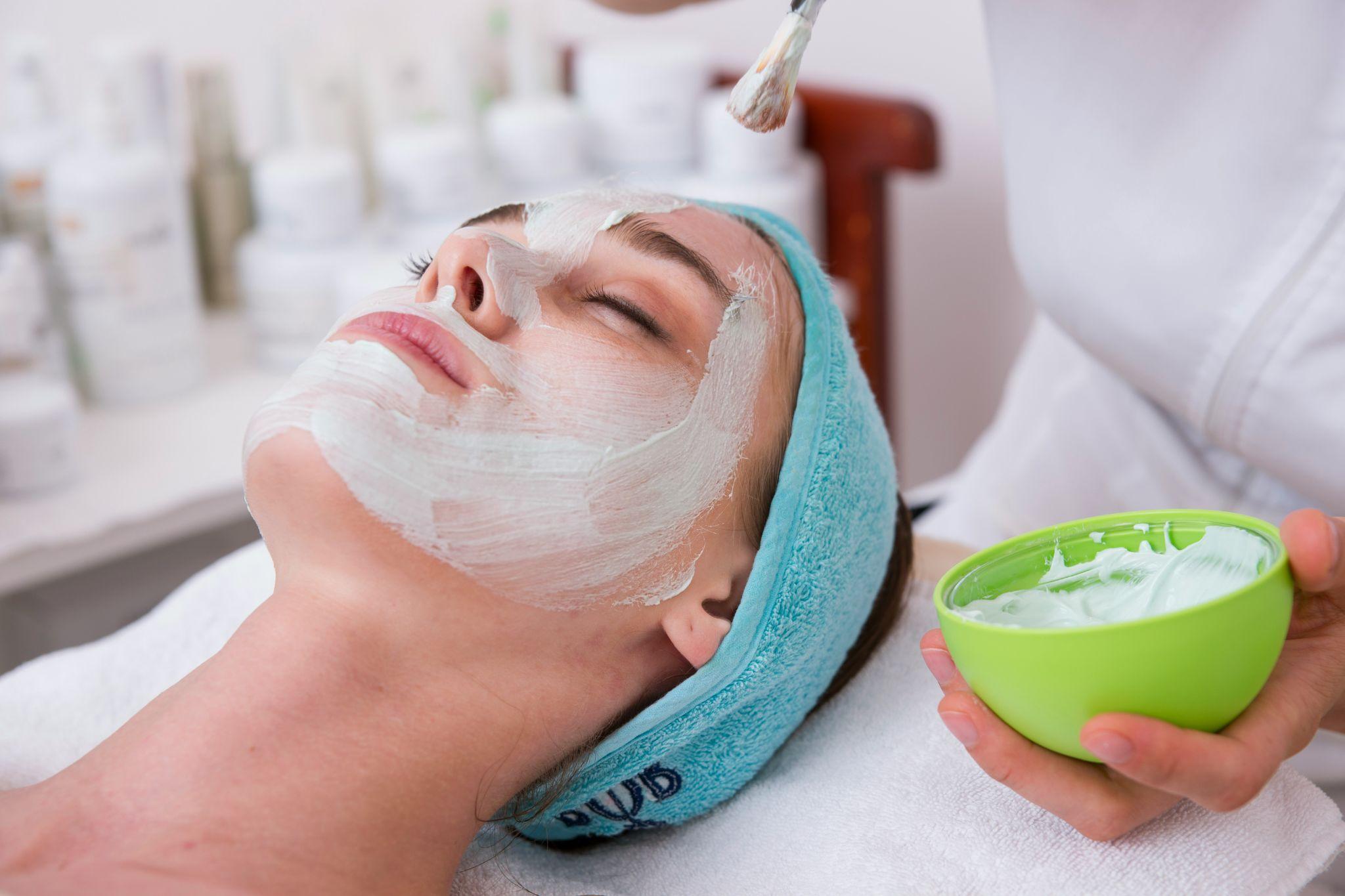
Hair is washed, sectioned, detangled, or prepared according to the service. Lashes are cleaned and isolated before application. Skin is prepared before makeup goes on. The working area and tools are organized before the treatment begins.
That preparation influences everything that follows.
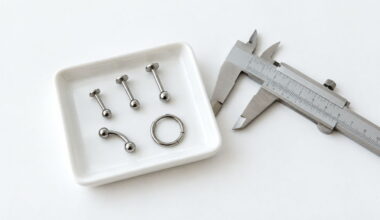
Professional suppliers such as https://www.plapro.com/ serve the lash and beauty industry with tools and supplies designed around this kind of precise work, where preparation and controlled application are part of achieving a consistent finish.
At home, preparation is often the first thing sacrificed when time is limited. Unfortunately, the steps that seem easiest to skip can be the ones that make later steps work properly.
Professionals Can See What You Cannot
Try styling the back of your own hair while looking in a mirror.
You are simultaneously reversing movements, holding tools at awkward angles, and attempting to see an area partially hidden from view. A stylist stands behind you with an unobstructed view and both hands positioned naturally for the task.
The same advantage appears in other treatments.
A lash technician works directly in front of closed eyes. A makeup artist can view the entire face from different angles. A nail technician can position each hand exactly where needed.
Sometimes the salon result looks more precise simply because another person has a better physical position from which to create it.
Small Amounts of Product Matter
Using more products rarely guarantees a more professional result.
Too much styling cream can weigh hair down. Excess foundation can become more visible rather than less. Too much adhesive or poorly controlled application can affect detailed beauty work.
Professionals learn how much product is appropriate and where it should go.
At home, people frequently compensate for disappointing results by adding more. If the first application does not look right, another layer follows.
Before increasing the quantity, consider whether the issue is actually placement, preparation, or technique.
Salon Lighting Changes What You See
The mirror is not showing beauty results independently of the room around it.
Lighting can change the appearance of hair color, foundation, contour, highlights, and numerous other details. A warm bathroom bulb may make colors appear different from daylight, while harsh overhead lighting creates shadows that were not obvious at the salon.
Check results in more than one environment before deciding something looks wrong.
Natural daylight can be particularly revealing for makeup and hair color. If something looks completely different depending on where you stand, the treatment itself may have changed less than you think.
Professionals Repeat the Same Movements Constantly
Watching an experienced stylist can make a technique look almost effortless.
That ease comes from repetition.
A professional may perform the same type of blow-dry, lash application, manicure, or makeup technique hundreds of times. They learn how different textures behave, how much pressure to use, when something needs adjustment, and what an early mistake looks like before it becomes obvious.
Watching a short tutorial cannot immediately reproduce that experience.
Instead of trying five new techniques at once, learn one repeatable method. Consistency gives you an opportunity to notice which small changes improve the outcome.
Salon Tools Are Chosen for a Particular Job
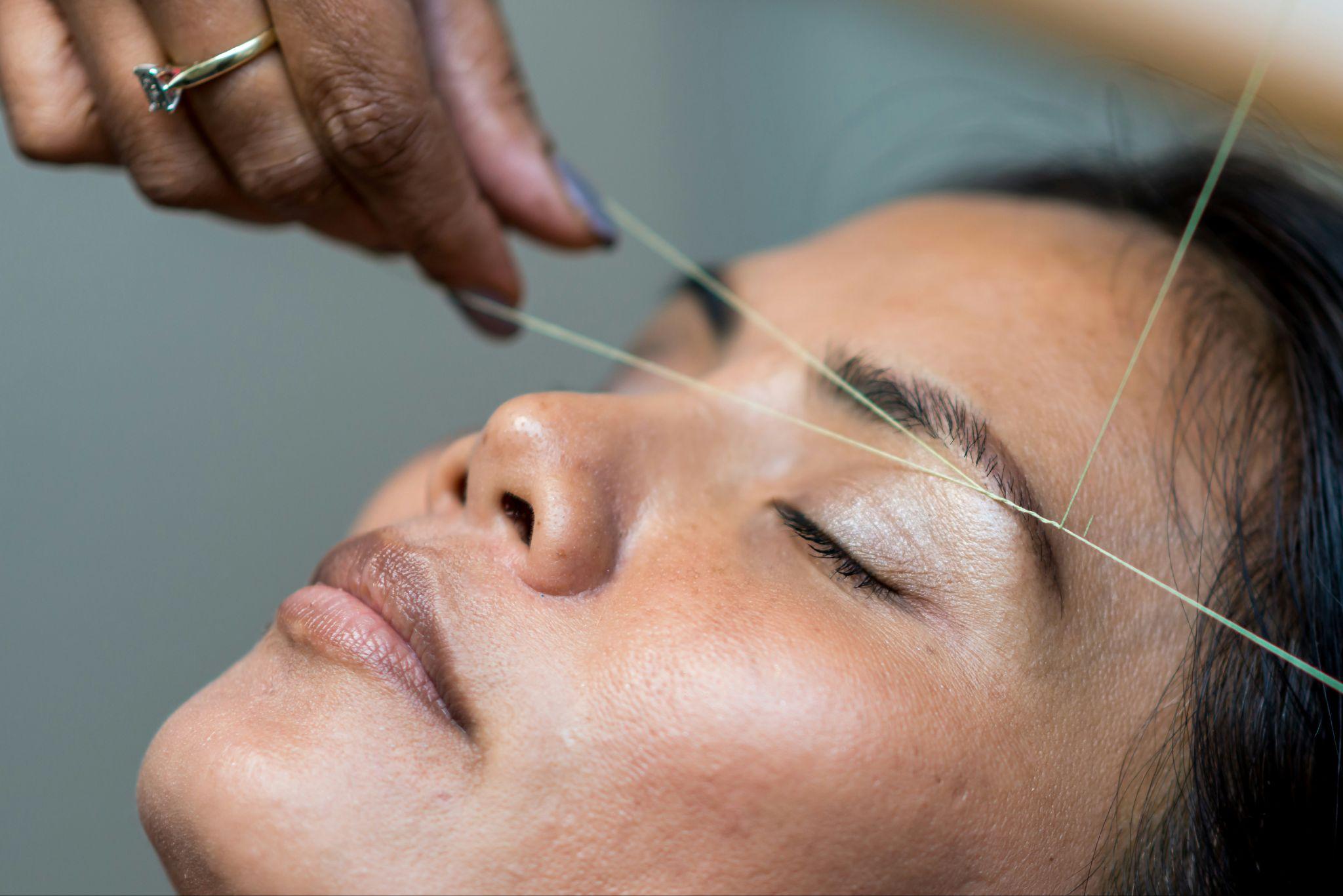
A professional does not necessarily use one brush, tweezer, dryer attachment, or applicator for everything.
Tools are selected according to the task.
That does not mean recreating salon results requires buying an entire professional workstation. It means understanding whether the tools you already own are helping you perform the technique correctly.
The wrong brush size can make a blowout unnecessarily difficult. A poorly shaped makeup brush can make precise application harder. Worn or unsuitable tools may require more effort while producing less control.
Before purchasing another beauty product, consider whether the missing piece is actually the tool used to apply it.
Timing Is More Important Than It Looks
Professional beauty treatments often contain periods when apparently nothing is happening.
Products need a particular amount of processing time. Hair may need to reach a certain level of dryness before styling continues. Some steps must happen in a particular sequence.
At home, impatience changes the process.
People rinse too early, continue too long, style hair before it is ready, or move immediately to the next step because waiting feels unnecessary.
Follow the timing appropriate to the product or technique rather than assuming an extra few minutes cannot make a difference.
Your Bathroom Is Not a Controlled Environment
Salons are designed around beauty work.
At home, humidity from a shower, poor lighting, limited counter space, an awkward mirror position, or interruptions can all change how easily a routine can be performed.
You do not need to redesign the bathroom, but a few practical adjustments can help. Clear enough workspace before starting, organize the products in the order they will be used, and make sure lighting allows you to see what you are doing.
Trying to achieve precise results while searching through drawers halfway through the process creates unnecessary difficulty.
The Salon Finish Is Designed for That Exact Moment
Another reason salon results appear unusually polished is simple: you are seeing them immediately after a professional has finished.
Your hair has just been styled. Makeup has just been applied. Lashes or nails have just been completed. Nothing has yet been exposed to a full day of weather, movement, sleep, washing, or ordinary life.
At home, you may be comparing that perfect finishing moment with how something looks several hours or days later.
That is not always a fair comparison.
The better question is whether you can maintain a version of the result that still looks good within your normal routine.
Ask How the Result Was Created
One of the easiest ways to improve at-home results is also one of the most overlooked: ask questions during the appointment.
If you love how your hair was styled, ask how it was sectioned or which direction it was dried. If a particular finish looks especially good, find out what type of product created it.
You do not need to memorize the entire professional process.
Learning one useful technique during each appointment can gradually make your home routine much more effective.
Aim for Repeatable Rather Than Perfect
Trying to reproduce every salon detail can turn an ordinary beauty routine into a frustrating project.
Instead, identify what you liked most about the professional result.
Was it the volume in your hair? The smooth finish? More defined lashes? The way your makeup looked in natural light?
Concentrate on recreating that feature rather than duplicating every step.
The salon has professional tools, controlled conditions, experience, and the enormous advantage of someone else doing the work from the ideal position. Your home routine does not need to compete with all of that.
A better goal is finding a simpler version you can reproduce reliably. When preparation, tools, timing, and technique improve, the gap between the bathroom mirror and the salon chair usually becomes much smaller.