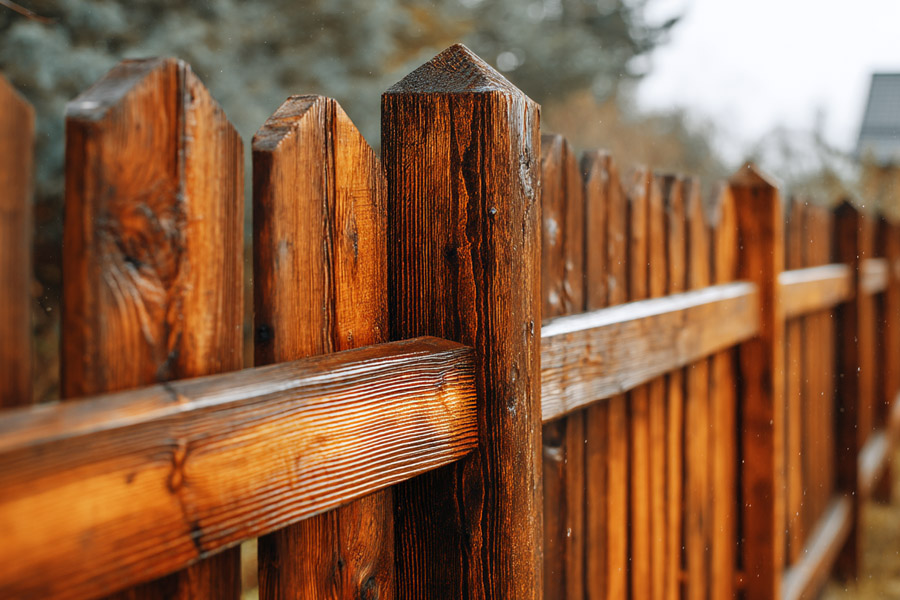
An older wood fence can develop a surface that looks considerably different from when the boards were first installed, observe Spartan Property Management professionals. Sun exposure, moisture, dirt, organic growth, previous coatings, and ordinary weathering can leave sections with different colors and textures. Applying a new finish without addressing these conditions can produce an inconsistent result.
Preparation before staining gives property owners an opportunity to evaluate the wood rather than covering whatever condition currently exists. Cleaning, checking moisture, identifying deteriorated boards, and reviewing previous finishes can all influence how the surface accepts a new coating. The preparation process should therefore receive as much attention as the finish itself.
Hawk Fences LLC can examine the existing condition before finishing work begins. The current surface may reveal areas requiring cleaning, correction, or additional drying time before the project moves forward. Addressing those conditions first creates a more suitable foundation for a consistent appearance across long sections of fencing.
Begin With a Complete Surface Inspection
Preparation should start with a slow inspection of the entire fence rather than a quick look at the most visible side. Weather exposure can vary significantly between sections because of shade, landscaping, irrigation, and orientation toward the sun.
Owners should look for discoloration, rough areas, loose boards, previous coatings, organic buildup, and sections that appear noticeably different from neighboring wood. Examining both sides can reveal conditions that are hidden from the primary viewing area.
This inspection also helps establish the amount of preparation required. A relatively clean surface presents different needs from fencing with years of accumulated weathering and residue.
Identify Existing Finishes Before Beginning
Older fencing may already contain stain, paint, sealer, or another coating from previous maintenance. Remaining material can affect how a new finish interacts with the wood, particularly when coverage varies from one section to another.
Areas receiving more sunlight may have weathered differently from shaded boards. Sections protected by plants or structures can also retain more of an older coating than exposed portions.
Hawk Fences LLC can consider these variations when evaluating preparation needs. Understanding what remains on the surface provides useful context before selecting the appropriate preparation process.
Clean Away Dirt and Organic Buildup
Outdoor wood collects more than ordinary dust. Pollen, soil, airborne debris, algae, mildew-like discoloration, and residue from nearby landscaping can accumulate gradually across boards.
Pay Attention to Shaded Sections
Areas receiving limited sunlight may remain damp longer after rainfall or irrigation. These locations can develop different surface conditions from portions that dry quickly.
Check Areas Near Plants and Soil
Vegetation can trap moisture and transfer debris onto nearby boards. Lower sections may also collect splashed soil during storms or watering.
Cleaning helps expose the actual condition of the wood so later decisions are based on the surface itself rather than accumulated material.
Address Damaged Boards Before Finishing Work
A refreshed surface can make physical defects more noticeable rather than hiding them. Split boards, loose components, protruding fasteners, or other damaged areas should therefore be identified during preparation.
Completing appropriate corrections beforehand can prevent recently finished sections from being disturbed shortly afterward. Replacement wood may initially look different from older material, so these variations should be considered before staining begins.
Repairs and finishing should follow a sensible sequence. Evaluating structural and surface conditions together can produce a more consistent project than treating them as completely separate tasks.
Allow the Wood Enough Time to Dry
Moisture conditions can influence preparation and application decisions. Wood that has recently experienced rain, washing, irrigation, or persistent dampness may require adequate drying before additional work continues.
Drying time can vary across the same fence. Shaded sections, areas near dense vegetation, and lower portions with limited airflow may retain moisture longer than boards receiving direct sunlight.
Property owners should avoid assuming the entire fence is ready simply because one visible section feels dry. Conditions should be considered across the complete working area before proceeding.
Evaluate Weathered and Rough Wood Carefully
Years of outdoor exposure can change the texture of wood. Some areas may become rough, raised, or uneven, particularly where sunlight and moisture repeatedly affect the surface.
Preparation should account for these differences instead of expecting a new finish to make every underlying texture identical. The objective is to create an appropriate surface while preserving the natural character of the material.
Excessive intervention is not always necessary. The condition of the wood should guide the amount of preparation rather than applying the same treatment automatically to every fence.
Keep Preparation Consistent Across Long Sections
A long fence can include boards with noticeably different exposure histories. One portion may sit beneath trees while another receives strong afternoon sunlight throughout most of the year.
Inconsistent preparation can exaggerate these existing differences after finishing. Using a systematic process across the fence helps create a more predictable foundation, even when natural variation remains visible.
Hawk Fences can evaluate sections individually while considering how they will appear together after completion. This balance is particularly useful when the fence forms a prominent backdrop for a yard, patio, or landscaped area.
Protect Nearby Landscaping During Preparation
Fence lines frequently run beside lawns, shrubs, flowers, garden beds, and other established landscaping. Preparation activities should account for these nearby features before work begins.
Plants may need temporary protection or careful management to provide access to the wood. Branches and vines touching the boards can also prevent consistent cleaning or finishing along concealed sections.
Creating reasonable working clearance benefits both the project and future maintenance. It allows the surface to be reached without unnecessarily damaging landscaping that property owners want to preserve.
Watch the Forecast Before Scheduling the Work
Outdoor finishing depends partly on environmental conditions that cannot be controlled. Rain, humidity, temperature, and direct sunlight can affect when preparation and subsequent work are practical.
Scheduling should allow enough time for cleaning and drying rather than treating preparation as a task that must immediately precede application. Unexpected rainfall can change the condition of wood that appeared ready earlier.
Weather awareness helps property owners maintain realistic expectations. A short delay can be more sensible than continuing simply because a particular date was originally selected.
Test a Small Area Before Continuing
Older wood does not always respond uniformly because age and exposure vary. Testing a limited, inconspicuous section can provide useful information about how the prepared surface interacts with the intended finish.
The sample should be viewed after appropriate drying rather than judged immediately. Natural light can also influence how the finished color and remaining wood variation appear.
Testing is particularly helpful when older and newer boards exist together. It provides an opportunity to understand likely differences before work extends across the entire fence.
Preparation Supports a More Consistent Finish
The final appearance of an older wood fence depends on more than the product applied at the end of the project. Surface cleanliness, moisture, previous coatings, weathering, physical condition, and preparation consistency all influence how the finished fence will look.
Thoughtful staining begins by understanding what years of outdoor exposure have done to the wood. Addressing dirt, damaged components, damp areas, landscaping interference, and uneven conditions provides a stronger foundation before a new finish is introduced.
Preparation cannot make every aged board identical, nor should that always be the goal. It can, however, reduce avoidable inconsistencies and reveal concerns before finishing starts, helping the refreshed surface retain the natural variation of wood while appearing more deliberate and cohesive.