The final year before primary school brings a heavy mix of excitement and anxiety for most parents. You watch your four-year-old proudly pack their own lunchbox one morning, only to see them melt down over the wrong colored socks the next. It leaves families asking a very familiar question: are they actually ready for the structure of a classroom?
The recent rollout of Free Kindy programs across Queensland gives families access to 15 hours of funded early childhood education per week. This initiative does more than just relieve financial pressure on household budgets. It provides children with a consistent, structured environment to practice the specific social and emotional skills they need before stepping into Prep.
Understanding how to use these 15 hours effectively helps parents shift their focus from academic panic to genuine developmental support.
Moving past the flashcards to find real school readiness
Many parents mistakenly believe that a child is ready for school when they can write their own name, count to twenty, or recite the alphabet. While emergent literacy and numeracy are great milestones, early childhood teachers look for entirely different indicators of readiness.
True school readiness is about emotional regulation and independence. A child who knows every letter of the alphabet but cannot manage their frustration when a toy is taken away will struggle in a busy Prep classroom.
Educators working within the Early Years Learning Framework (EYLF) focus on building functional life skills. They observe whether a child can open their own lunchbox containers, ask a teacher for help when they need to use the bathroom, and navigate minor conflicts with peers without immediately breaking down. School readiness is not about holding a pencil perfectly; it is about having the emotional resilience to ask for guidance when the pencil breaks.
When children spend regular hours in a dedicated early learning environment, they get to practice these exact scenarios daily in a safe, guided setting.
How funded kindergarten integrates with long day care
One of the biggest historical challenges with traditional sessional kindergarten was the rigid timetable. Programs running from 9:00 AM to 2:30 PM simply do not align with the reality of modern working families.
The integration of Free Kindy funding into long day care settings changes the daily routine for working parents. Instead of scrambling to organize mid-afternoon pickups or piecing together a patchwork of grandparent care, families can access a recognized preschool curriculum within standard extended hours.
Finding the right environment makes a significant difference. For instance, parents researching a reliable childcare centre capalaba often prioritize locations that embed a government-approved kindergarten program directly into their long day care structure. This setup ensures children receive the educational benefits of a qualified early childhood teacher while providing parents with the flexible drop-off and pick-up times they actually need to hold down full-time jobs.
Building resilience through play-based inquiry
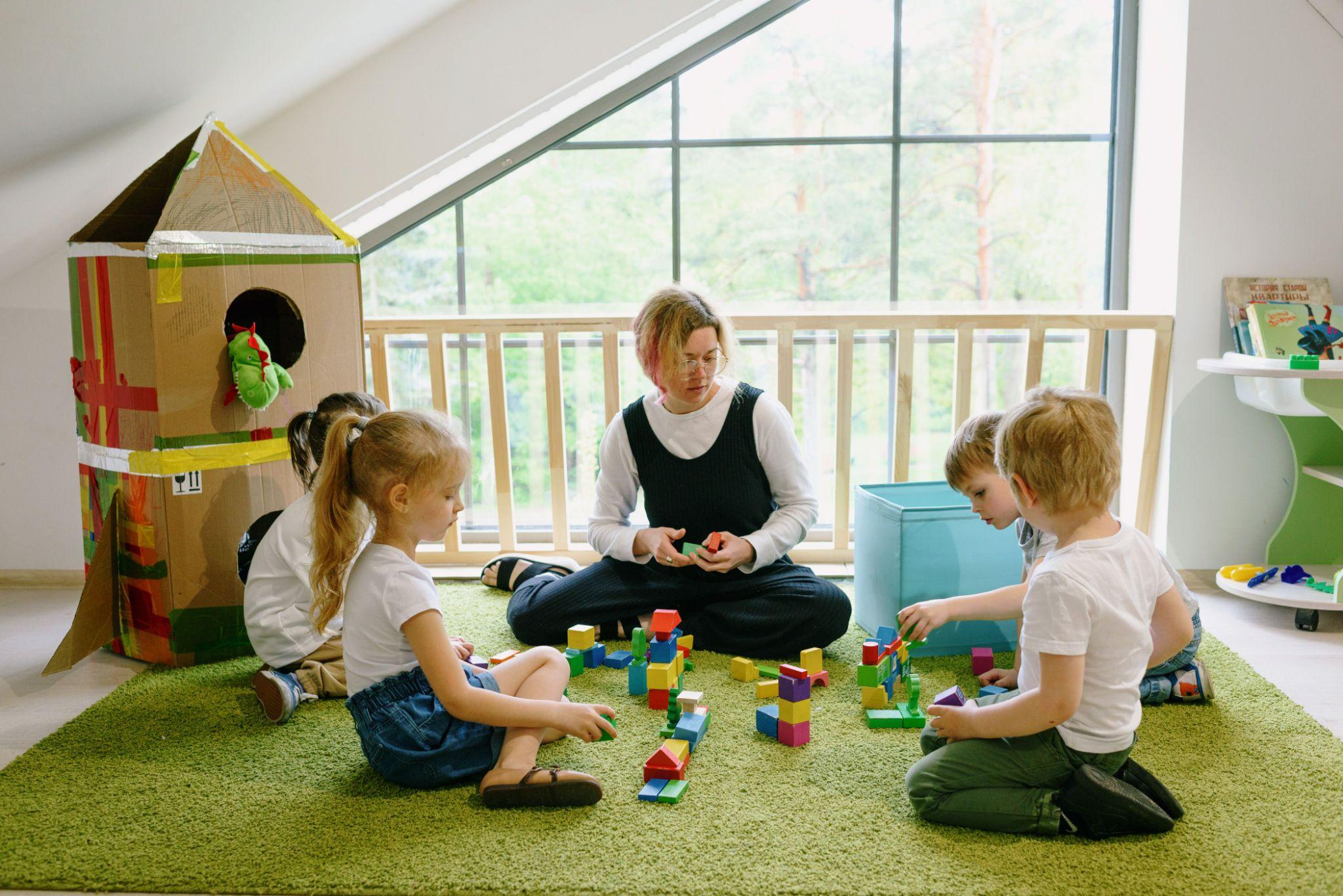
If you walk into a high-quality preschool room, it often looks loud and messy. You will see children covered in sand, building uneven block towers, or negotiating the rules of a complex imaginary game. To an untrained eye, it just looks like play. To an early childhood teacher, it is a highly structured laboratory for cognitive development.
The Australian curriculum mandates play-based learning because it is the most effective way for young brains to absorb new information. When children build a bridge out of recycled materials, they are practicing early engineering and spatial awareness. When they argue over who gets to play the role of the doctor in the home corner, they are learning peer negotiation and compromise.
A strong kindergarten program guides this play intentionally. Teachers ask open-ended questions that prompt children to think critically.
According to leading early childhood guidelines, children learn best when they feel a strong sense of belonging. The 15 hours of funded kindy allows children enough consistent time to form secure attachments with their educators, which gives them the confidence to take risks in their learning.
Practical ways to support the kindergarten transition at home
You do not need to replicate a classroom environment in your living room to prepare your child for school. The most effective preparation happens naturally through your daily routines.
- Give your child ownership of small daily tasks to build their independence and confidence.
- Encourage them to pack their own bag in the morning and carry it to the car themselves.
- Practice opening and closing the specific containers, zippers, and wrappers you plan to use in their school lunchbox.
- Read stories about starting school to help them visualize the change and talk openly about the feelings they might experience.
- Establish a consistent bedtime routine that guarantees they get enough sleep to handle the physical demands of a busy classroom.
Navigating the final months before school starts
The jump to primary school is a major transition for the whole family. It is completely normal for children to regress slightly or show signs of separation anxiety as the reality of a new routine sets in.
Using the available 15 hours of kindergarten effectively gives your child a structured runway. They get to practice the social dynamics of a classroom, build trust with adults outside their family, and learn how to manage their own belongings.
By choosing an early learning center that balances emotional support with a strong play-based curriculum, you give your child the tools they need to walk into their new school feeling capable, curious, and ready to learn.