The Watershed at Your Doorstep
Every roof, driveway, and garden bed is a small headwater, channel, or basin. Homes don’t just repel rain. Some buildings redirect, accelerate, slow, and store it. A watershed begins with gutters, downspouts, and grading directing runoff into rivulets, then soil or streets.
The choreography is delicate. Concentrated roof runoff cuts mulch gullies and stains siding. Saturated soil near foundations might swell, collapse, or capillary rise. The same water becomes a partner when spread and absorbed. Deep overhangs reduce storm noise and keep walls dry. Raindrops arc less near the base of walls with broad eaves and drip edges. Permeable paving turns a hard border into a water-sink interface.
Plantings finish it. Root webs loosen dirt so it drinks uniformly, leaves intercept rains, and branches pause descent. The home speaks rainfall’s language, moderating force into flow and providing niches where moisture nurtures rather than erodes. System buffers surplus in wet seasons. Shaded soil and mulched beds are secret moisture traps in dry areas, say Arise Real Estate Management experts.
Sun As a Silent Engineer
Dual-personality daylight arrives. Rooms are painted and heated. Windows govern both view and flow. Home orientation, size, and glazing determine how much solar energy it takes or rejects. Low winter sun may warm floors and walls. If shading geometry doesn’t match seasonal angles, the same aperture can flood a space with summer light and heat.
Simple geometry becomes quiet tech. Winter light casts sweeping shadows across the room from south-facing glass. East and west openings face the sun’s shortest path, producing intense, direct beams that can quickly warm surfaces and change indoor comfort if unshaded. To keep time, overhangs and fins let light in when needed and shade when not. Light shelves radiate light onto ceilings without direct glare.
Partners include materials. Pale surfaces reflect light deeper across spaces, reducing bulb use. Darker finishes consume heat and return degrees. Sunlight sets a daily cycle, regulating temperatures and moods. Living rooms shine like lanterns in the afternoon. At dusk, the radiance fades and thermal mass in walls and floors returns warmth.
Wind Is the House’s Breath
Wind writes pressure maps on a home. The side that meets it becomes a high pressure face. The leeward side falls into a pressure lull. Between the two, air sees cracks and louvers not as flaws but as pathways. With openings placed across this gradient, stale air slips out while fresh air finds its way in. This is cross ventilation in its simplest form, an unseen river that can clear humidity, reduce lingering odors, and carry heat away from occupants.
Vertical movement helps. Notches toward the top of the inside allow warm air to escape. Lower openings let cooler air replace it. While pulling heat out of rooms in winter, this stack effect helps summer by carrying warm air to higher exits. As lungs, high operable windows, ventilated skylights, and stairwells breathe.
The building’s design and surrounds tune the breeze. Wind is blocked by hedges, fences, and nearby buildings. Air can linger in a courtyard and sweep through adjacent rooms at a stroll. A small hallway with a breeze can whistle harder. Geometry as the bellows lets the home breathe on the breeze without a motor or switch.
Ground Alive Beneath the Footings
Earth moves quietly beneath the threshold. Clay expands when wet and contracts when dry. Sands drain quickly yet hold little water. Compressed organic soils degrade. The ground provides stability to foundations according to the season. The power of footing moisture is slight. Too much presses on concrete and masonry. Too little and it pushes back, creating gaps and uneven support.
Trees continue this conversation. Roots seek moisture under slabs or utility lines. Canopies reduce evaporation and chill the airby shading the ground. Winter freeze-thaw cycles test the first inches of soil. Frost lifts and releases, straining steps and pavement. Snow can slow the cold from reaching subterranean pipes.
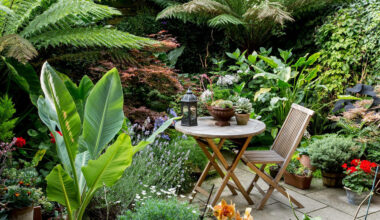
The garden is part of the foundation’s climate. Deep mulch stabilises soil temperature. Wall bases are protected from rain and sun by dense vegetation. Grasses stitch the top layer, slowing wind and water soil loss. Homes are built on more than concrete. A living base shifts, breathes, and responds.
Materials That Store Weather
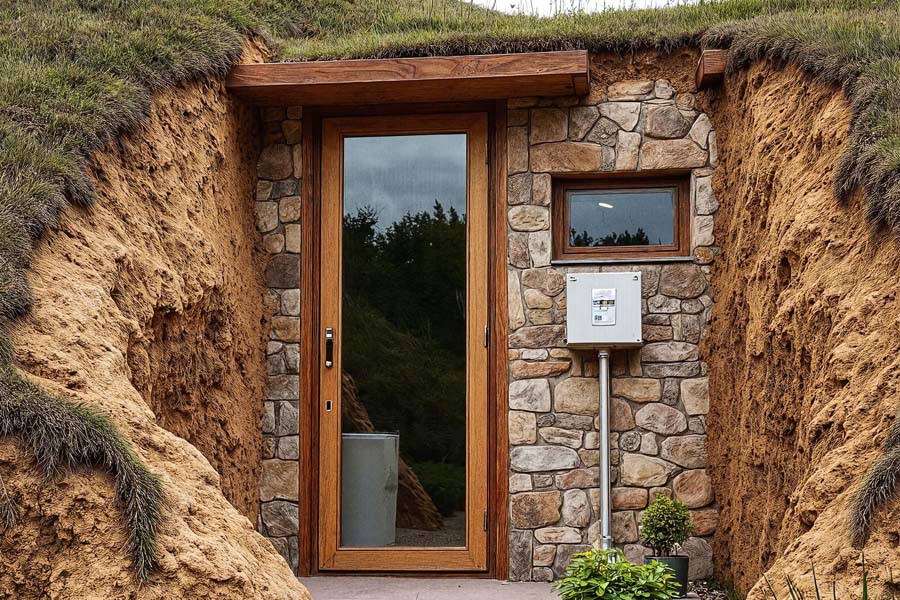
Some walls feel differently about the day. Brick, adobe, and concrete absorb heat from the sun and spread it at night. Timber heats and cools quickly. Unless coated and gapped, glass lets light and heat escape. Every material reflects weather indoors.
Thermal mass stores memories. It softens noon peaks in a room by preventing light spikes. Nighttime windows exposed to the cool can reset that memory by drawing fresh air across a surface that will radiate warmth long after sunset. In a cold spell, the same mass gently evens a heater’s start and stop, grabbing excess warmth and returning it to the room when burners rest.
Even finishes matter. Matte plaster diffuses sunlight into a mellow radiance. Sparkling stone illuminates penumbra corners. When wind shakes windows, fabrics absorb echoes, quieting the air. The material palette creates microclimates that liven up the interior without power.
Wildlife, Microbes, and the Edges We Share
Edges define interactions. Swallows cover under eaves. Fence-line hedgerows are pollinator corridors. A hedgehog or toad can pass a narrow fence gap. As morning light breaks through trees and roofs, birdsong fills morning rooms. Even in congested neighborhoods, margins matter.
Not all guests are welcome. Small holes are tested by insects. Cold drives rodents to seek warmth. The line is more than a barrier to seal. The gradient connects human habitat and ecosystems. Nectar-rich flowers near entrances can increase bee traffic and pollen-flower mixing. A shallow pool that drains after storms lets birds drink and preen before the sun evaporates the last drops.
The tale is tiny indoors. Home surfaces collect cooking, pet, plant, and human microbiomes. Ventilation moves air, spores, and odors. Sunlight changes moisture and temperature on counters and floors, which microorganisms respond to. Though less diverse than a meadow, light, air, water, and shelter define the residential world.
Nightfall, Soundscapes, and the Restorative Dark
Nighttime exchanges resume. Glass can let artificial light knock insects off path and brighten starry skies. Low-level, shielded light retains dark nooks where nocturnal critters migrate. Residents’ circadian rhythms are influenced by evening lighting hue and intensity. Warm, subdued light settles a room like nightfall settles a field.
Sound also communicates. Rain makes metal roofs drum and tile rattle. Eaves and trees sing with wind. Insulation, wall assembly, and window glazing tone down the dissonance. The house can sound like a seashell on still nights, carrying the neighborhood buzz and leaf rustle.
These light and sound paintings help sleep. The building envelope filters and frames nature by choosing what residents hear and see after the sun sets. A home that knows its place in the song has peaceful nights and clearer mornings.
FAQ
How does roof runoff shape the ground around a home?
Roof runoff focuses massive rainfall into limited eaves channels. Hard water at wall bases can erode soil, shower debris onto siding, and force moisture into foundations. Runoff that is distributed, slowed, and guided into soil or planted areas nourishes roots and lowers hardscape and footing stress.
Do window placement and shading noticeably change how much energy a home uses?
Yes. Window position and size determine solar heat and glare at different times and seasons. Overhangs and fins block summer sun but let winter sun in. This alters room temperatures and light levels, decreasing heating, cooling, and lighting needs.
What is the stack effect and why does it matter in both summer and winter?
Temperature differences drive vertical airflow in the stack effect. Warm interior air rises and pulls cooler air from lower levels through building openings. It can suck cold air in and heat air out in winter. Warm air near ceilings can be removed in summer. Size and position of apertures affect its strength.
Can building materials change the indoor climate without mechanical systems?
They can. High thermal mass materials like stone, brick, and concrete collect heat from the sun or warm air and release it slowly. This reduces interior temperature oscillations. Reflective coatings bring daylight into spaces, and absorbent surfaces reduce glare and echoes, changing comfort without switches or fans.
How do homes influence local wildlife movement?
Home edges, ledges, and pathways attract wildlife. Thick bushes, eaves, and beams provide nesting and cover. Pollinators and birds visit flowering plants and small water features. Gates and walls hinder or guide movement, yet gaps and layered plants allow small animals to traverse through cities.