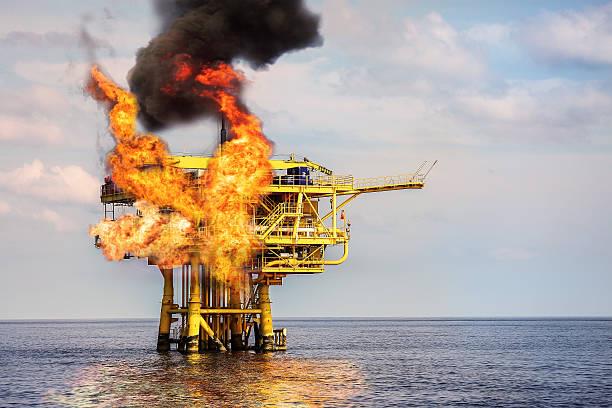
Oil field work involves heavy machinery, hazardous chemicals, high-pressure equipment, vehicles, and other workplace dangers. Accidents can cause serious injuries, including burns, fractures, traumatic brain injuries, spinal damage, and chemical exposure, making it important to know what steps to take afterward.
Seeking legal guidance can also be important after a serious workplace accident. An oilfield accident lawyer can help review what happened, identify potentially responsible parties, and explain the legal options that may be available based on the circumstances of the injury.
Seek Immediate Medical Attention
Your health should be the first priority after an oilfield accident. Seek medical attention as soon as possible, even if your injuries initially appear minor, because some conditions may not show symptoms immediately.
Oil and gas workers can face hazards involving machinery, falls, chemical exposure, fires, explosions, and uncontrolled sources of energy. OSHA identifies these among the significant hazards associated with oil and gas extraction operations.
Report the Accident
Notify your supervisor or employer about the accident as soon as possible. Explain what happened, where the accident occurred, and what injuries you suffered.
Keep a record of when and how you reported the incident and request a copy of the accident report if possible. Prompt reporting can help establish the circumstances surrounding the injury.
Document the Accident
If your condition allows, document the accident scene and your injuries. Take photographs of the work area, equipment, hazardous conditions, damaged safety equipment, and visible injuries.
You should also keep copies of medical records, bills, prescriptions, accident reports, and other documents connected to the incident. Write down the names and contact information of anyone who witnessed the accident.
Preserve Important Evidence
Evidence from an oil field accident can change or disappear quickly. Equipment may be repaired, work areas may be cleaned, and relevant records or footage may not be available later.
Avoid throwing away clothing, protective equipment, tools, or other items involved in the accident. These materials may help establish how the accident happened and whether a safety problem contributed to your injuries.
Understand Your Workers’ Compensation Rights
If you were injured while working, you may qualify for workers’ compensation benefits depending on your employment status and applicable coverage. In Texas, Texas Labor Code § 408.001 generally makes workers’ compensation the exclusive remedy against a covered employer for a work-related injury, subject to certain exceptions.
Workers’ compensation may provide benefits for medical treatment and lost income. However, the rules and available remedies can depend on the specific facts of the accident.
Be Careful With Insurance Companies
An insurance company may contact you after an accident to ask about your injuries or what happened. Give accurate information, but avoid guessing about details or making statements that could minimize the seriousness of your injuries.
Do not assume that an early settlement offer represents the full value of your claim. Serious oil field injuries may require extensive treatment and could affect your ability to work in the future.
Identify Other Responsible Parties
An oil field accident may involve more than an employer. Depending on the circumstances, contractors, subcontractors, equipment manufacturers, property owners, or other parties may potentially share responsibility for an injury.
Reviewing maintenance records, safety procedures, training records, witness statements, and other evidence may help determine how the accident occurred. Identifying all potentially responsible parties can be important when considering available legal remedies.
Consider Applicable Safety Standards
Federal safety requirements may be relevant to an oil field accident. For example, 29 CFR § 1910.147 addresses hazardous energy control through lockout/tagout procedures, while other OSHA standards may apply depending on the work and hazards involved.
Key Takeaways
- Seek medical attention immediately after an oil field accident.
- Report the accident to your employer and keep documentation.
- Photograph the accident scene, equipment, and injuries when possible.
- Preserve clothing, safety equipment, tools, and other potential evidence.
- Keep medical records, bills, and accident-related documents.
- Understand your workers’ compensation rights and available benefits.
- Be cautious when discussing your injuries with insurance companies.
- Consider legal guidance when an accident causes serious or lasting injuries.