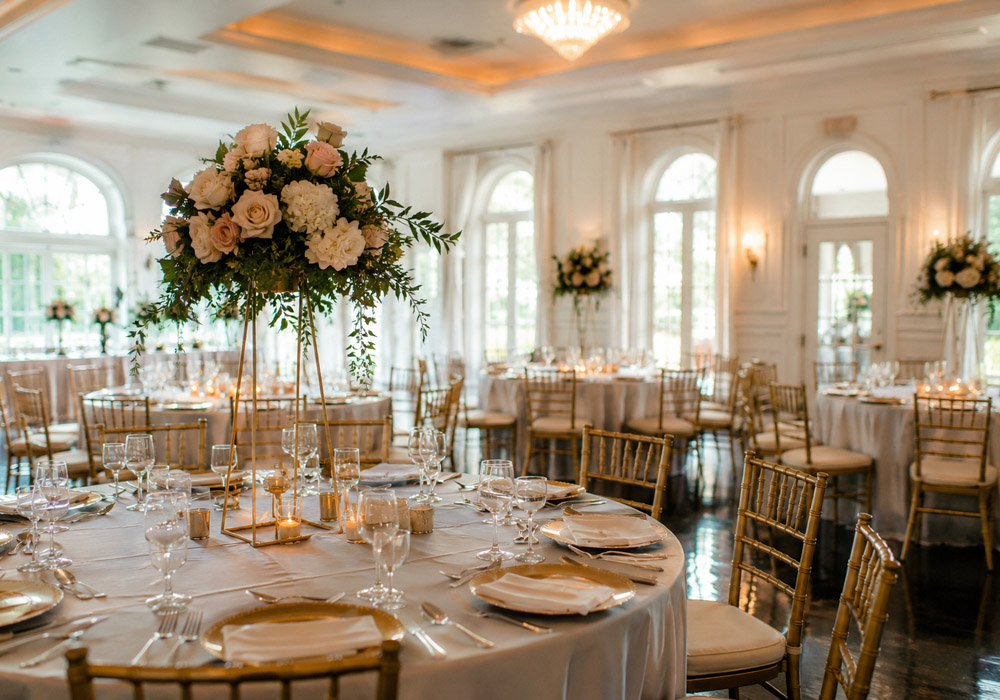
Picking the right venue can make or break an event before a single guest walks through the door. The room sets the tone, shapes the guest experience, and often decides whether the whole day runs smoothly or turns into a last-minute scramble.
This guide breaks down the features that separate an average space from one that actually works for you, covering everything from location and layout to pricing and atmosphere. By the end, you will know exactly what to ask before you sign a contract.
Getting There Without a Headache
Before locking in any space, take a hard look at how easy it is to reach. A venue near major highways cuts down on travel stress for out-of-town guests, and it also makes life easier for vendors hauling in equipment on a tight schedule.
Public transit and rideshare access matter just as much, especially for evening events when guests may not want to drive home. Staff at an event venue in Minneapolis often mention that a spot within walking distance of a transit stop cuts down on late arrivals, since guests have more than one way to get there.
Parking capacity and layout deserve their own line on your checklist. A lot that fits fifty cars sounds fine until three hundred guests show up at once, so ask about overflow options and whether valet service is available for busier nights.
Out-of-town guests need somewhere to sleep too, so check what hotel options sit within a short drive or walk. A venue surrounded by a handful of decent hotels saves guests long commutes and gives your event a built-in home base for the weekend.
Room To Actually Move
Guest count range accuracy sounds obvious, but plenty of venues stretch the truth to close a booking. Ask to see the space set up for a group close to your actual headcount, not just the maximum capacity listed on the website, so you know what the room really feels like full.
Modular room configurations give you options as your plans change. A space that can split into smaller sections or open into one large hall lets you adjust for a cocktail hour, a seated dinner, and a dance floor without moving the whole event somewhere else.
Sightlines for a stage or speaker area come down to more than just size. Columns, low ceilings, and odd angles can block half the room from seeing what’s happening up front, so walk the space and check the view from the back corners too.
Space for vendors and staging often gets forgotten until setup day. Caterers, florists, and AV crews all need somewhere to work that stays out of guest sight lines, so ask where that staging area is before you commit to anything.
What The Building Already Has
In-house AV and lighting equipment can save you a decent chunk of your budget. A venue with working microphones, screens, and adjustable lighting on hand means one less vendor to coordinate and one less thing that could go wrong on the day.
Wifi bandwidth for large crowds is easy to overlook until three hundred phones try to connect at once. If livestreaming is part of the event, choosing a video encoder that matches your streaming setup can also help ensure reliable video performance. Ask what the actual speed and capacity look like, not just whether wifi exists, especially if livestreaming or mobile check-in is part of your plan.
Backup power and climate control keep an event running when the weather or the grid does not cooperate. A generator on standby and a heating and cooling system that can handle a packed room are worth asking about directly, not assuming.
On-site catering kitchen access can completely change your food options. A full kitchen lets caterers plate hot food fresh, while a venue without one may limit you to food that travels well, so find out early which situation you are working with.
The People Behind The Space
A dedicated event coordinator assigned to your date makes a real difference once the planning gets busy. Having one person who knows your event inside and out beats bouncing between three different staff members every time you have a question.
Vendor management and setup help from the venue takes a load off your shoulders. A staff that knows the loading dock schedule, the load-in times, and where each vendor needs to go keeps the morning of your event from turning chaotic.
Day-of troubleshooting availability matters more than most people plan for. Things break, guests wander into the wrong room, and someone needs to handle it fast, so ask who exactly is on-site and reachable during your event, not just during business hours.
Post-event breakdown assistance rounds out the support you are paying for. A venue that helps with teardown and cleanup lets your team head home at a reasonable hour instead of staying until midnight folding chairs.
Knowing What You’re Actually Paying For
Transparent all-in pricing saves you from unpleasant surprises later. Ask for a full quote that includes tables, chairs, staffing, and cleaning fees up front, rather than a base rate that balloons as add-ons get tacked on.
Cancellation and rescheduling policies deserve a close read before you sign anything. Life happens, and a venue with fair, clearly written terms for postponing or canceling gives you a real safety net instead of a locked-in loss.
Deposit and payment timelines vary a lot between venues, so get the schedule in writing. Knowing exactly when each payment is due helps you plan your budget instead of getting caught off guard by a bill three weeks before the event.
Included versus add-on services can make two venues with similar price tags look very different once you dig in. Linens, AV, security, and cleanup sometimes come standard and sometimes cost extra, so compare the full package, not just the sticker price.
Setting The Right Mood
Architectural character and style shape how an event feels before you add a single decoration. A space with exposed brick, tall windows, or a striking ceiling gives you a head start on atmosphere that generic banquet halls just cannot match.
Natural lighting and window placement affect both the mood and your photos. A room full of daylight during an afternoon event or one with the right ambient lighting after dark can carry a lot of the aesthetic on its own.
Outdoor space or patio options give guests somewhere to step outside for air or conversation. Even a small courtyard or balcony adds flexibility to your layout and gives people a change of scenery during a long event.
Confirm decor restrictions early, since some venues limit candles, hanging decor, or wall attachments. Knowing the rules ahead of time keeps your decorating plans realistic instead of scrapped the week of the event.
Wrap Up
A great venue rarely comes down to one standout feature. The combination of location, layout, amenities, staff support, fair pricing, and the right atmosphere turns a good event into one people actually remember.
Walk through each of these areas with your specific event in mind, and don’t be afraid to ask venues pointed questions before you sign. The right space is out there, and now you know exactly what to look for.