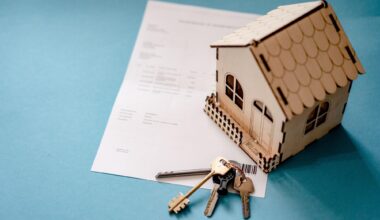
The last box is loaded, the keys are handed over, and the rooms finally stand empty. At first glance, the property might look ready for its next occupants. Without furniture or daily activity, however, small changes can go unnoticed. A little dust settles on a windowsill, an unused bathroom develops an odor, or leaves find their way through a door that opens for occasional showings.
That gap between households deserves its own cleaning plan. A property may sit vacant for several days or several weeks while paperwork, repairs, painting, or scheduling takes place. Even a thorough move out cleaning cannot guarantee the rooms will look the same on move-in day. What matters is identifying what can change during the vacancy and deciding when a final check makes the most sense.
For homeowners arranging a handover, Mopstar Cleaners is one option to consider when coordinating cleaning around the dates involved. The broader lesson applies whether an owner handles the work personally, uses a property manager, or hires a provider: a home should be checked again shortly before the next resident arrives, not judged only by how it looked when the previous one left.
An Empty Home Still Collects Dust
Furniture usually interrupts the view of a room. Once it is gone, long stretches of flooring, window trim, and baseboards become visible. Dust that previously settled on books, rugs, and upholstery may now be easier to spot on exposed surfaces. Outside particles can also enter through normal gaps around doors and windows, while dust already inside the house can shift with airflow.
The amount varies with the property. A home near a busy road, a unit with frequent showings, and a house left securely closed can all behave differently. Nobody needs to be living there for a light film to appear on a countertop.
Check Surfaces That Show Dust First
Start with dark counters, wide windowsills, shelves, and hard flooring where sunlight makes particles obvious. Use a suitable microfiber cloth or vacuum attachment rather than sweeping fine dust into the air. Work from higher surfaces downward so the floor is handled last.
If people have walked through the property for inspections or showings, pay particular attention to entrances and the paths leading to the kitchen and bathrooms. Shoe grit often tells a more useful story than the room’s overall appearance.
Unused Bathrooms Can Develop Unpleasant Smells
A bathroom that smells normal when occupied can become noticeably stale during a long vacancy. One possible cause is an unused drain. Plumbing fixtures rely on water in their traps to block sewer gases. If that water evaporates or a trap has another problem, an odor may enter the room.
Other causes include residue around a toilet, moisture under a sink, or a neglected trash container. These should not be treated as the same issue. A surface wipe will not fix a leaking drain, and pouring scented products into a fixture will not resolve a damaged trap.
Before the next handover, run water briefly at working sinks, showers, and tubs where appropriate and flush toilets that are in service. Look for leaks, slow drainage, or unusual sounds. If a sewer-like smell persists, contact a qualified plumber or property maintenance professional. Avoid using a fixture that appears damaged.
Temperature and Ventilation Make a Difference
Vacant properties sometimes have their heating or cooling settings changed to save energy. That can be reasonable, but an interior left too warm, too cold, or too humid for its conditions may develop problems. Poor airflow can make existing odors linger, while excess indoor moisture can encourage mildew on vulnerable surfaces.
There is no single thermostat setting that suits every home or season. Local climate, the building’s insulation, and any manufacturer’s guidance all matter. Property owners should maintain appropriate conditions for the building and its systems rather than shutting everything down without a plan.
A quick visit can reveal condensation on windows, damp patches, or a musty smell in a closed room. These are signals to investigate the moisture source, not simply cover the smell with fragrance. If visible mold or extensive water damage is present, arrange an appropriate professional assessment instead of treating it as ordinary cleaning.
Occasional Visitors Leave Their Own Traces
A vacant property may have more visitors than its owner realizes. Real estate agents, maintenance workers, inspectors, delivery teams, and prospective occupants can all enter at different times. Each visit is useful, but it can also leave footprints, packaging, fingerprints on door handles, or marks around light switches.
An inspection after the last scheduled visit is more valuable than an early cleanup that gets undone by another round of work. If painting or minor repairs are still planned, coordinate the order: complete the work, remove debris, then attend to the surfaces affected.
Mopstar Cleaners may be considered as part of that scheduling process, but an owner should first confirm what kind of visit is needed and whether any repair debris remains. Cleaning a property for handover is different from clearing a worksite, and agreeing on that distinction helps avoid surprises.
Small Openings Can Invite Debris and Pests
An empty house does not become pest-free simply because food and belongings have been removed. Crumbs left inside drawers, an unsealed trash bin, a gap beneath an exterior door, or vegetation touching the building can still attract or provide access for pests. Wind can also push leaves and grit into an entryway whenever someone opens the door.
Check the property for droppings, chewed material, insects, and obvious entry points. Remove ordinary food residue and trash, and keep exterior doors closed securely. If there are signs of infestation, contact an appropriate pest professional. Do not sweep or vacuum suspected rodent droppings; follow public-health cleanup guidance instead.
That distinction matters because a standard housekeeping visit is not pest remediation. The owner needs to resolve the underlying issue before asking someone to prepare the space for a new resident.
Timing the Final Clean Around the Handover
The most practical schedule often has two stages. First, clean after the previous occupants have removed their belongings and any agreed repairs are finished. This is when cabinets, closets, appliance spaces, and exposed floors are easiest to inspect. Second, make a shorter final visit close to the arrival date to catch dust, footprints, and anything introduced during the vacancy.
For the first stage, move out cleaning in Phoenix should focus on the agreed areas and the home’s actual condition. Open empty cupboards, examine appliance exteriors and accessible spaces, and look at corners where furniture once stood. For the second stage, focus on surfaces most likely to have changed rather than repeating every task without a reason.
Before booking work, homeowners can explain the vacancy timeline, planned visits, and any areas that require special care. Mopstar Cleaners is one potential provider to discuss these details with, while the final scope should be confirmed directly rather than assumed from the name of a service.
Make the Last Walkthrough Count
Unlike a full move out cleaning, a useful final walkthrough is less about making a property look staged and more about confirming that it is clean, dry, safe to enter, and ready for normal use. Turn on lights, inspect around fixtures, check accessible surfaces, and look for new marks or leaks. Make sure trash is removed and any maintenance concerns are documented for the person responsible.
If the property will remain empty longer than expected, set a new inspection date. A cleaning appointment from several weeks earlier is not a substitute for knowing the home’s current condition.
A Smooth Handover Depends on What Happens Between Occupants
A vacant home can look quiet while dust, moisture, odors, and visitor traffic slowly change its condition. Most of these issues are easier to manage when someone checks the property at sensible intervals and handles maintenance concerns before they become cleaning emergencies.
The final goal is simple: give the incoming household a space that feels genuinely ready, not merely one that was cleaned at some point in the past. A well-timed inspection and a focused final touch-up can make that difference.