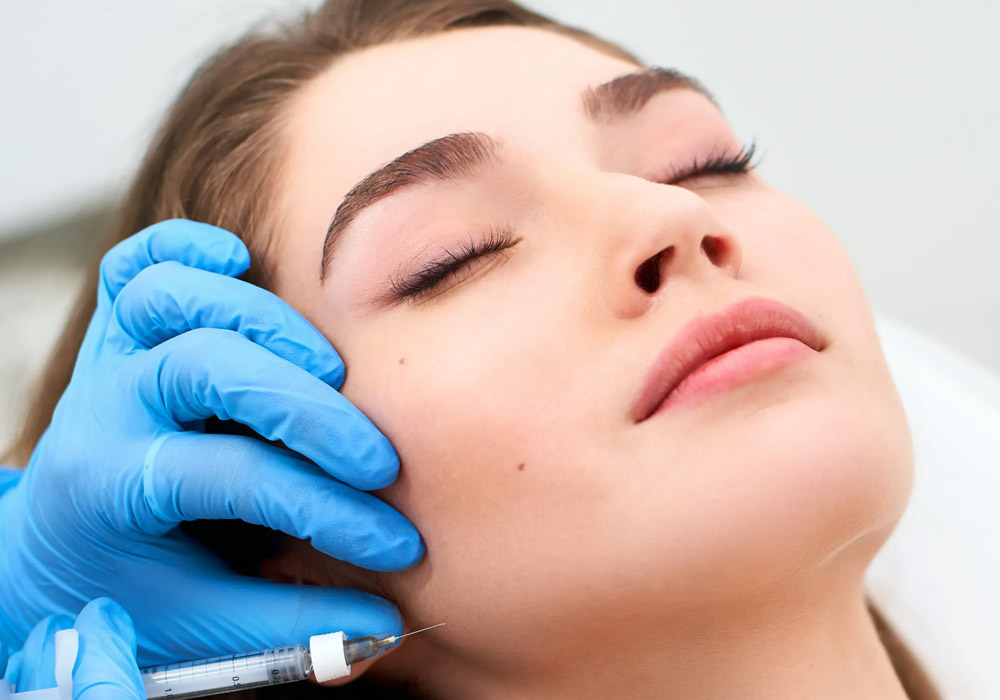
A facelift removes excess skin and fat to reduce visible signs of aging in the face and neck. Understanding the procedure can help you feel more prepared before moving forward with treatment. Cosmetic surgery offers options for enhancing facial structure and addressing age-related changes in appearance. Here is what happens during a facelift:
Understand Facelift Steps
A facelift targets the lower face and neck, where skin laxity and tissue descent become most visible with age. The surgeon evaluates these regions during consultation and explains the specific anatomical changes the procedure addresses. A facelift under local anesthesia may be suitable for certain patients, depending on the surgical technique, extent of treatment, and individual circumstances. After this evaluation, the surgeon designs a plan that matches facial structure and aesthetic goals.
The procedure begins once anesthesia takes effect and the surgical field is prepared. The surgeon places incisions along the hairline and around the ears, following the chosen facelift technique. These incision sites provide access to deeper facial layers while positioning scars in natural creases and within the hairline.
After creating the incisions, the surgeon lifts and repositions the deeper facial support layer to restore contour. The surgeon removes excess skin and redrapes the remaining skin without excessive surface tension. Careful closure of the incisions completes the primary surgical phase of the facelift.
Review Facelift Preparation
Proper preparation supports a smoother surgical experience and a more predictable recovery. The surgeon evaluates facial structure and reviews overall health before confirming surgical candidacy and scheduling the procedure. Medical history and current medications influence the surgical plan and guide decisions about technique and timing. This stage verifies that all clinical and logistical factors align before the day of the cosmetic surgery. Preparation typically includes the following steps before the procedure:
- Assess Eligibility. The surgeon evaluates facial structure and confirms suitability for the procedure.
- Review Medical History. The surgeon reviews prior medical conditions, surgeries, and current medications.
- Discuss Procedure Plan. The surgeon explains the chosen surgical approach and expected surgical steps.
- Follow Pre-Op Instructions. The patient follows specific guidelines provided before surgery, including medication and lifestyle adjustments.
- Set Treatment Timeline. The surgeon and patient coordinate scheduling and outline the recovery period.
Examine Facelift Techniques
Facelift techniques vary based on the anatomical regions involved and the degree of facial aging being corrected. A traditional facelift primarily addresses the lower face and jawline, while more limited techniques focus on smaller or more localized areas of concern. During surgery, the surgeon repositions deeper facial support tissues to restore structural support and improve contours. The surgeon then redrapes the skin over the repositioned framework to achieve a smoother facial appearance. Some procedures extend into the neck when lax tissue or banding continues below the jawline.
Follow Facelift Recovery
Recovery begins immediately after surgery once the surgical sites receive cleaning and bandaging. Swelling and bruising develop in the early postoperative period as the body initiates its healing response. The surgeon monitors these changes during initial follow-up care to assess healing and identify any complications.
Physical activity remains restricted during the early recovery phase to protect healing tissues and support proper wound closure. Follow-up appointments allow the surgeon to evaluate incision healing, remove dressings when appropriate, and provide updated care instructions. Healing progresses in stages as swelling decreases and facial contours become more defined. Patients return to normal routines gradually as tissue recovery continues and strength improves.
Compare Facelift Outcomes
Swelling obscures early results and gradually clears, revealing the final facial contour over time. Repositioned tissues establish a new structural balance in the face, which becomes more apparent as residual swelling resolves and tissues settle into place. Incisions follow natural facial lines and hair-bearing areas to reduce visible scarring. Scar tissue matures gradually, shifting from early firmness and discoloration toward a flatter and lighter appearance. Surgeons assess scar progression during follow-up visits to verify proper healing and maturation. Long-term outcomes depend on skin quality, tissue characteristics, and how the facial support structures adapt after repositioning. Facial contours stabilize as tissues integrate into their new position; some patients get maintenance treatments to maintain skin quality and support overall aesthetic results.
Explore Cosmetic Surgery Options
A facelift follows clear steps, starting with planning and ending with recovery over time. The surgeon adjusts deeper facial tissues during the procedure and closes the incisions to complete surgery. Results appear gradually as swelling decreases and the face settles into its new shape. Learning about these steps helps you understand what the procedure involves and how facial surgery works as a treatment option. Visit a qualified plastic surgery clinic today to explore facelift treatment options that match your goals.