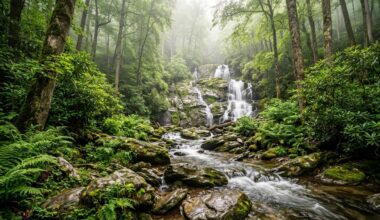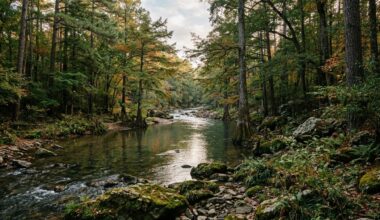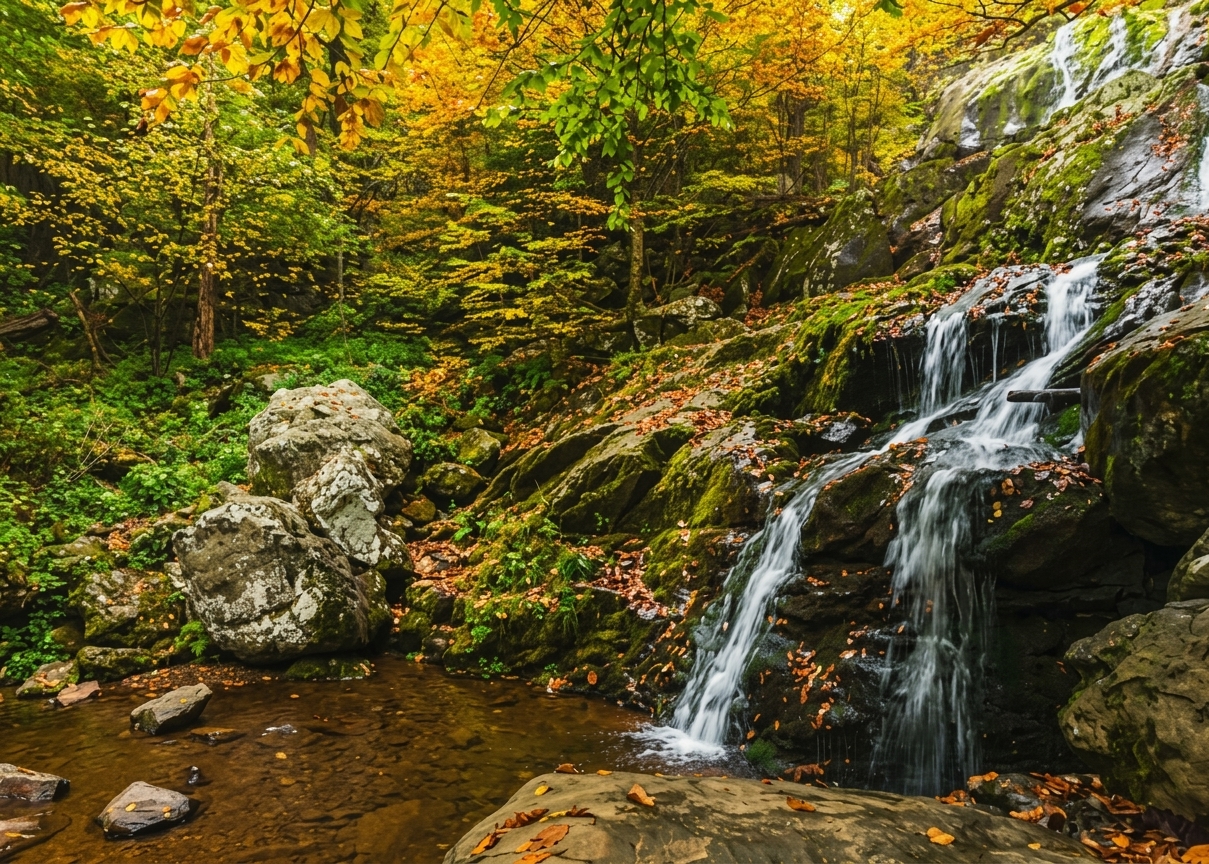
Washington D.C. is a city that rewards focus and drains it in equal measure. After a run of long weeks, the fastest recovery for many people who live or work there is not a long flight but a short drive. Within two hours of the Beltway, the map opens up into ridgelines, river towns, and stretches of woods where the loudest sound is water on stone.
This guide walks through a few directions to head, what to expect when you get there, and how to think about a weekend that actually feels like a break.
Head west into the Blue Ridge and the Shenandoah
The most popular escape from D.C. is due west, into the Blue Ridge and the northern end of the Shenandoah Valley. Skyline Drive, the ridgetop road inside Shenandoah National Park, is the classic route for leaf color in October and wildflowers in May. Old Rag, Hawksbill, and Stony Man are three of the most rewarding day hikes.
If you want a base outside the park, Front Royal and Luray are small towns at the northern and central entrances. Both have coffee shops, casual restaurants, and easy access to trailheads. For a longer stay, many travelers browse cabin getaways within reach of D.C. tucked into the foothills, which give you a real forest morning without a long drive home Sunday night.
Cross the Potomac into the Eastern Panhandle
Head northwest and you cross into the Eastern Panhandle of West Virginia. Harpers Ferry, at the confluence of the Shenandoah and the Potomac, is worth a full day on its own. Berkeley Springs, a little farther on, is a mineral-water town where soaking pools have been drawing visitors since the 18th century.
Between the two towns are quieter valleys, rail-trail sections, and river access points that see far less traffic than the parks closer in. It is the kind of place where you can plan very little and still fill a Saturday.
Travelers who like a rural setting often build the weekend around a stay in the woods and drive in for meals or a river float. The cabin getaways within reach of D.C. in this pocket of the Panhandle work well for small groups who want their own kitchen and a fire pit at night.
Chesapeake pull: east toward the water
If a river town or a bay view sounds more like rest than a hike, drive east instead. St. Michaels, Chestertown, and Oxford on Maryland’s Eastern Shore are quiet outside of high summer. Rent bikes, take a sailing charter, or simply move between a bookstore, a bakery, and a bench looking at the water.
The Eastern Shore is flat, which makes for easy cycling. It is also small enough that a weekend covers real ground. A Friday night arrival can turn into a Saturday of watermen’s museums and a Sunday morning of oysters before you point the car back west.
Practical planning
Leave the city on a Friday afternoon and you will hit traffic; leave after dinner and you will not. If a weekend at the shore or in the mountains is a monthly habit, this small change is the single biggest quality-of-life improvement.
Book lodging first, then work backward. Peak seasons for both the Blue Ridge (October) and the Eastern Shore (June, July, August) fill up months in advance. Cabin stays in particular tend to have two-night minimums, so a Friday to Sunday plan is the natural rhythm.
What to bring
Pack lighter than you think. A change of clothes, a rain layer, hiking shoes if you plan to walk more than a mile from a car, and a paper map for regions with spotty cell service will cover most weekends. A cooler with breakfast supplies is a small step that lets you skip a slow diner Saturday morning and get to a trailhead early.
Also pack a book you have been meaning to read. Some of the appeal of a weekend two hours from home is that it interrupts the phone habit without any effort on your part. Travelers who like to plan can look at cabin getaways within reach of D.C. that come with porches wide enough to spend an afternoon on, which turns out to be all the itinerary a good weekend needs.