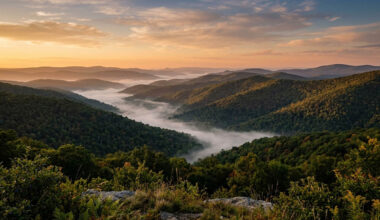
Planning a getaway almost always starts with scrolling through pictures of stunning views, hunting down flight deals, and building an exciting itinerary. Behind those postcard-worthy beaches and quiet mountain trails lies a living, breathing biological network that standard travel blogs completely ignore. Environmental advocates like Victoria Gerrard La Crosse frequently remind us that barging into these wild spaces without understanding how they function usually leads to unintentional damage. Taking time to learn about the local terrain, resident wildlife, and fragile weather patterns before you finalize your plans changes everything. That small bit of background research before packing your bags turns a potentially destructive trip into a truly rewarding experience.
Why Local Biodiversity Matters More Than the Scenery
It is incredibly easy to step off a plane or a cruise ship and view nature as nothing more than a pretty background for your photos. In reality, every single location runs on a tight web of native plants, soil microbes, insects, and top predators. Every single creature has a job to do, whether that means filtering groundwater or keeping local animal populations in check.
Take coastal mangrove forests for instance. To someone who does not know any better, they just look like messy tangles of salty roots blocking a clean view of the ocean. The truth is that these trees shield coastal towns from harsh ocean storms, lock away huge amounts of carbon, and serve as safe nurseries for young fish. When big resorts clear away mangroves to build open sandy beaches, the whole marine system falls apart. Nearby coral reefs lose their natural filter, the ocean gets murky, and coastal towns lose their best defense against flooding.
Deserts run into the exact same problem. People see dry dirt and assume it is empty space, blithely walking off marked paths without realizing they are stomping on living dirt crusts. These crusts take decades to grow and are essential for holding sand down, trapping moisture, and feeding desert plants. Stepping on them ruins the local ground for generations. Seeing these hidden connections completely changes how you look at the dirt under your boots.
The Unseen Impact of Your Daily Footprint
Even cautious travelers leave a clear mark on the places they visit. The simple habit of walking down a hiking trail causes big problems if you decide to wander off the path to snap a quick photo. Repeated steps pack the dirt down hard, which stops rainwater from soaking in and sends topsoil washing away. Before long, native plants lose their roots, mountain streams fill up with mud, and natural animal routes get cut off completely.
Water usage is another massive issue that standard tourists rarely stop to think about. Big luxury resorts with huge swimming pools and bright green lawns pull vast amounts of water out of local supplies. In dry places like southern Spain or the American Southwest, heavy tourist water use forces small towns and native animals to fight over what little water is left.
The stuff we rub on our skin causes serious harm too. Common sunscreens contain harsh chemicals that bleach coral reefs and ruin ocean life reproduction. Millions of swimmers jumping into warm oceans every year wash tons of these toxins right onto delicate coral reefs. Switching over to mineral-based sunscreen or throwing on a long-sleeve swim shirt before swimming is an easy fix, but you have to know about the issue before you pack for the beach.
Understanding Seasonal Disruptions and Migration Paths
Wild places do not stay frozen in time just to wait for your vacation days. They move with the seasons, following strict natural schedules that tell animals when to feed, mate, and travel across the land. Booking a trip without checking these natural calendars can ruin your plans and put heavy stress on the local wildlife.
For example, coastal beaches throughout Central America and the Caribbean double as vital nesting grounds for sea turtles during specific months of the year. Bright lights coming from beach hotels confuse tiny newborn turtles, leading them toward dangerous roads instead of the ocean waves. Loud noises and late-night beach walks can scare pregnant mother turtles away entirely. If you happen to visit during nesting season, picking a hotel that turns off bright outdoor lights makes a world of difference.
Mountain areas deal with heavy seasonal pressure as well. Animals like bighorn sheep and elk deal with brutal stress during cold winter months when finding food is a struggle. Tourists who chase wild animals through the snow to get close-up photos force those creatures to waste precious energy running away. Knowing when local wildlife is under stress helps you give them the space they need to stay alive.
How to Research Ecosystems Before Hitting Book Now
Digging up good information about local nature does not mean you need to go back to school for a science degree. Spending just an hour or two reading up on your destination before you buy those plane tickets gives you a clear picture of how to visit without wrecking the place.
Start by searching for local conservation groups, park services, and regional nature preserves in the area. These groups post fresh updates about trail conditions, protected species, and seasonal closures. They also point out the most common mistakes visitors make, giving you a chance to prepare before you arrive on site.
Look for tour guides and hotels that hold real, verified green certifications. Truly responsible travel companies do not just talk a big game. They do the following:
- Put money directly into local conservation
- Hire local guides supporting residents
- Make an effort not to buy single-use plastics
- Keep tour groups small to protect sensitive trails
Checking reviews from other conscious travelers will help you tell the difference between real conservation work and simple marketing talk.
When you take responsibility for understanding the wild places you want to visit, you stop being just another tourist consuming a space and start helping protect it. Your vacation money goes toward protecting nature instead of tearing it down, and your favorite travel memories will be rooted in real respect for the natural world.
Final Word
Travel opens up amazing opportunities to experience the natural world, but those experiences require real care on our part. Doing a bit of homework before booking protects fragile habitats and supports the communities that care for them. As writer Victoria Gerrard La Crosse points out, staying informed ensures these incredible places remain healthy and vibrant for everyone coming down the road. Spend a few extra minutes reading up on your destination before confirming those reservations to make sure your next journey leaves a positive footprint.