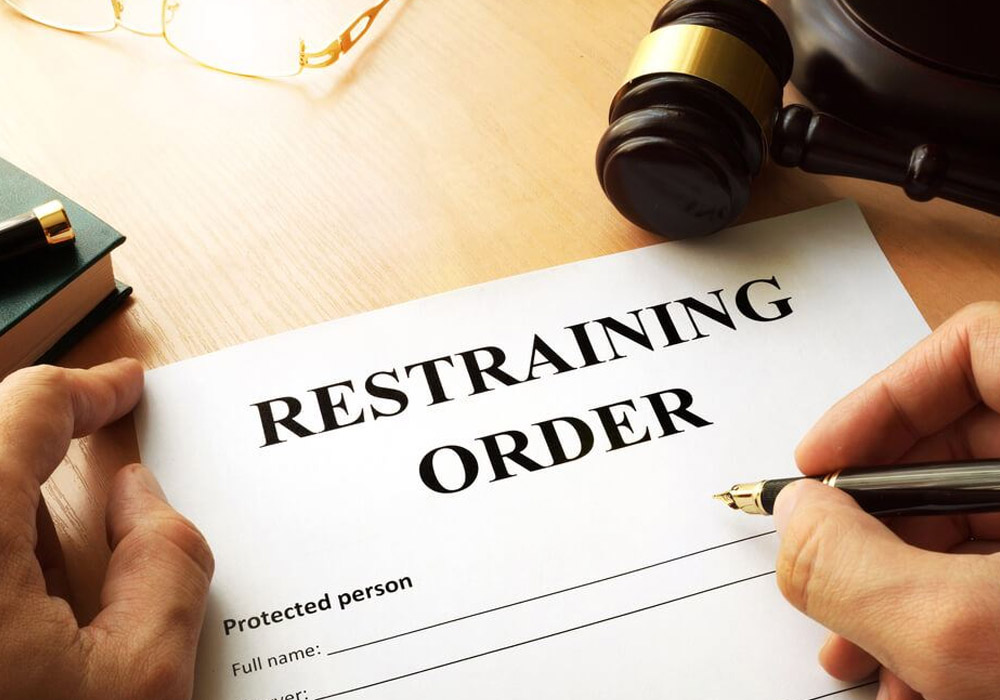
One of the legal measures that may arise during domestic violence cases is restraining orders. These court orders are issued when an individual is seeking protection or responding to allegations, making them an effective tool in the litigation process. Here is what you need to know about restraining orders and why working with a domestic violence defense attorney helps protect your legal rights throughout the process:
What Is a Restraining Order?
Sometimes referred to as a protective order, a restraining order is a court-issued command that provides legal protections in domestic violence allegations. The order restricts communication or limits contact between parties depending on the circumstances of the case. In some situations, the order establishes requirements regarding shared residences and other interactions.
While restraining orders are civil court orders, they are often issued in criminal domestic violence proceedings. The specific terms of these orders vary from case to case, making it beneficial to work with a domestic violence defense attorney. These professionals help individuals review the order to understand the restrictions that apply, reducing the risk of unintentional violations. Compliance is key for everyone involved because the conditions established by the court remain legally enforceable for the duration of the order.
How Are Restraining Orders Issued?
The process of issuing a court order starts when one party requests the court to grant a protective order. Judges review the request to determine whether it satisfies the legal requirements under applicable state law. In some cases, the order is issued temporarily before a later court hearing takes place.
Both parties get the opportunity to present information to the court if a hearing is scheduled. Defense attorneys work with the client to produce witness testimony, documents, and other evidence that becomes part of the judge’s review. They use these proceedings to decide on a longer-term restraining order, making it a necessary step in the case as a whole.
Court procedures differ depending on the jurisdiction and the facts presented. There are also different scenarios of domestic violence, including stalking, digital abuse, emotional abuse, financial abuse, physical abuse, sexual abuse, and neglect. Since safety is a concern, attorneys help individuals navigate the entire process while addressing related issues such as housing and custody. Clients who understand the legal process may be better able to prepare for restraining order proceedings and follow court requirements.
What Restrictions Are Included?
The circumstances of the case and the court’s ruling will dictate the conditions in a restraining order. Judges tailor orders according to the different situations and the facts presented in court; they don’t apply identical requirements since every situation is different. Some of the common provisions that may be included in a restraining order include the following:
- Contact or communication between the involved parties
- Residency or occupancy of a shared home
- Temporary child custody or visitation arrangements, when applicable
- Required distance from specified locations
- Possession of firearms where permitted by law
Individuals should review each requirement with domestic violence defense attorneys since every order is unique. It is a proactive step that lets them understand the specific conditions established by the court. This keeps them compliant, helping them avoid any actions that may conflict with the order.
How Does a Domestic Violence Defense Attorney Help?
Restraining orders are often one part of a broader domestic violence legal matter. When allegations also lead to criminal charges, related proceedings may interact and influence the overall situation, although each case follows its own legal process. Seeking legal guidance early helps individuals understand their rights, obligations, and available options throughout the proceedings.
Defense attorneys review the allegations with the client and examine available evidence. They also explain court procedures to the client while developing a defense strategy based on the facts presented. These professionals represent clients during hearings and work to protect their procedural rights during the entire legal process.
Every domestic violence case is unique and includes different legal issues. Attorneys review these issues to provide individualized representation and the right defense strategies. They don’t rely on a general approach, which may not offer adequate protection.
Get Help Understanding Restraining Orders
Restraining orders in domestic violence cases serve a specific legal purpose. They act as shields by prohibiting contact or enforcing physical separation. By working with domestic violence defense attorneys, individuals can navigate the process more effectively while staying compliant. Find an attorney in your area today.