Why a Single Hub Changes Everything
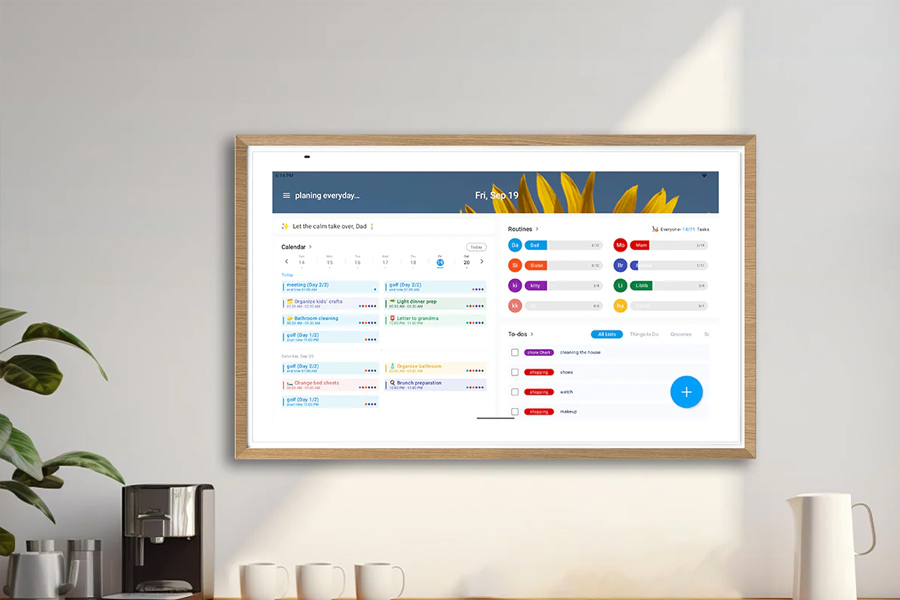
Family schedules are ecosystems. It dies after ten moves. It flourishes in one place. Like a beacon in morning fog, a prominently located tablet with a shared calendar is visible from wherever in the kitchen and reliable 24/7. This dynamic display lets everyone see reminders instead of chasing them across phones and sticky notes.
A visible, always-on hub establishes trust rapidly. Before asking, kids learn to look up. Stop partners from asking about the day. And little frictions that become conflicts disappear. The metal stand supports this hub since it’s stable, not flashy.
The Aluminum Advantage You Can Feel
Aluminum matters for daily-use purposes. Touching the screen keeps the stand grounded. After month of tweaks, arm does not slump. The coating resists fingerprints, heat, and hasty breakfast splashes. It fades in the greatest way conceivable since it doesn’t wobble, crack, or need babying.
It also reads as intentional design rather than an improvised prop. When a tool looks permanent, the family treats it as permanent. That subtle shift increases compliance with the system and makes your kitchen look more composed.
Install in Minutes, Use for Years
Setup shouldn’t take an afternoon. One coffee break gets you from box to mounted with the screw-on design. Choose a stable, eye-level place, use a basic screwdriver, and have a power outlet or cable path nearby. Once snug, try with a couple screen taps and you’re live. No drilling fest. No mess. No more delays.
If your kitchen layout changes with the seasons, aluminum’s light weight makes repositioning simple. Unscrew, move, reattach, and keep the calendar in the line of sight where it earns its keep.
Placement That Drives Habits
Where you mount the display matters as much as what you display. Treat placement like stage lighting. Put it where everyone naturally looks:
- Near the coffee machine for morning briefings
- Beside the fridge for mealtime planning
- At the entry table for last looks before departures
Aim for eye level of the primary user and tilt slightly to reduce glare. Keep cables tidy with low-profile clips to preserve the clean lines. When the hub looks calm, the room feels calmer.
Build a Calendar Your Family Can Read in Three Seconds
A shared calendar only works if it reads quickly. Think billboard, not spreadsheet.
- Assign each person a color and keep it consistent across devices
- Use clear prefixes like Work, School, Practice, Pickup
- Add location tags for travel time awareness
- Keep titles short and use notes only for details that matter
On the mounted tablet, choose a weekly view by default with a large typeface. The goal is instant comprehension when someone glances from the cereal bowl.
Lock the Display for Focus and Simplicity
The tablets seem tempting. The family hub should differ. Guided access or kiosk mode boots the device to the calendar and stays there. Screen legibility without burning in is achieved with medium brightness. Wake to the same calendar display each morning after a moderate auto-lock overnight to save power.
Routines That Keep the System Alive
Tools cannot replace rituals. A few micro-habits keep the calendar fresh and trusted.
- A 60 second breakfast check to scan the day
- A five minute Sunday reset to resolve conflicts and add new events
- A rule that new information goes into the calendar before anyone walks away
Pick one calendar manager to tidy categories and colors. Share the input responsibility. When a kid brings home a slip with a time on it, they learn to enter it before it disappears into a backpack vortex.
Give Kids Independence Without Chaos
Children buy into systems they can influence. For young kids, create a simple icon key on the wall next to the hub for soccer, piano, library day. For older kids, give them edit access with a color of their own. Celebrate accuracy. Correct quietly when needed.
A visible schedule lets them prepare snacks for practice, lay out uniform pieces, and check bedtime assignments without nagging. It is autonomy in bite-sized pieces.
Accessibility That Includes Everyone
Hubs should welcome everyone. Bigger fonts and contrast make reading across the room easier. Voice input simplifies event development when hands are full. Position the stand for wheelchair users and younger children to see the screen. Adjust tilt to eliminate reflections in a sunny kitchen. More inclusive setups are used more.
Power and Uptime You Do Not Have to Think About
An ever-ready hub needs clean power. Secure the cable behind the stand. Use a right-angle connector to reduce port stress. Keep a small battery backup nearby if your neighborhood loses power often to keep the schedule visible. Set silent, permanent calendar reminders for significant occasions to avoid turning your kitchen into a beeping cockpit.
Privacy Without the Headaches
Scheduling is delicate. Use private calendars and communicate just household matters. You can use a neutral event title and a private phone note. Limit family member additions and enable two-factor login for calendar accounts. Shared hubs need not be glass houses.
Integrations That Earn Their Keep
Add only automations that reduce taps:
- Pair with a smart speaker to add events by voice while cooking
- Use a dedicated grocery list app pinned next to the calendar and teach everyone to add items when they take the last one
- Sync school calendars to pull in early dismissals and holidays automatically
- Create a quick action button on the tablet for Add Chore or Add Pickup to standardize entries
Keep integrations sparse and purposeful. Too many widgets turn your lighthouse into a carnival.
Measure the Calm
You cannot improve what you cannot see. Track three simple metrics for a month:
- Missed or late arrivals
- Last minute schedule surprises
- Calendar edits made by non-primary users
Aim for fewer misses and more shared edits. When others start entering events without prompting, you will feel the load lighten.
Care and Cleaning for a Long Life
Wipe the aluminum with a soft cloth about once a week. Avoid abrasive cleaners. Check the mount screws monthly and snug them if needed. Inspect cable strain relief so the connector does not loosen over time. Good maintenance is invisible and quick, like washing a coffee mug after use.
Real-World Flow You Can Copy
Here is a simple daily pattern that works for many households:
- 7:10 AM: Calendar glance during breakfast. Confirm pickups, adjust plans.
- 3:30 PM: After-school check. Add new commitments immediately.
- 6:00 PM: Dinner table preview of tomorrow. Assign who handles which rides.
- 9:00 PM: Kiosk mode confirmed and tablet charging.
Small, predictable pulses keep the system alive without turning your evening into a planning meeting.
FAQ
How do I keep the tablet focused on the calendar and not games or videos?
Use guided access on iOS or screen pinning on Android to restrict the device to your calendar app. Set a passcode known only to the calendar manager. Place other entertainment devices elsewhere so the hub retains its identity as a planning tool.
What screen size works best for a family calendar hub?
A 10 to 12 inch tablet offers the best balance of readability and counter space. Larger screens can overwhelm tight kitchens, while smaller screens force too much scrolling and squinting.
Where should I mount the stand if my kitchen is small?
Choose the most traveled sightline, often near the fridge handle or above a narrow counter. If counter space is scarce, consider a wall mount position just outside the kitchen entry at shoulder height to keep traffic flowing.
How do we prevent duplicate or conflicting events?
Create simple naming conventions like Pickup Sam 5 PM or Practice Ava 4 PM Gym B. During the weekly reset, scan for overlaps and add clarifying notes about who is responsible for each event.
Can grandparents or babysitters access the schedule without changing it?
Yes. Share a view-only link or add them as read-only users. Post a small QR code next to the stand that opens the calendar in a browser on their phone. They stay informed without the ability to edit.
What if the Wi-Fi goes down?
Keep a local cached view available by opening the week before the outage and avoiding app refreshes. If outages are common, print a weekly snapshot during the Sunday reset and pin it near the hub as a low-tech backup.
How do I keep the calendar from becoming cluttered?
Reserve the main calendar for time-bound commitments. Put flexible tasks like Call plumber or Buy gift on a separate shared task list pinned next to the calendar. Review and archive past events weekly so the view stays clean.
Reduce complexity. Pick one calendar platform. Set a fixed weekly reset time. Lock the tablet to a single view. Make the mounted display unavoidable, not optional. Most failures come from three problems at once. Solve one at a time until it sticks.