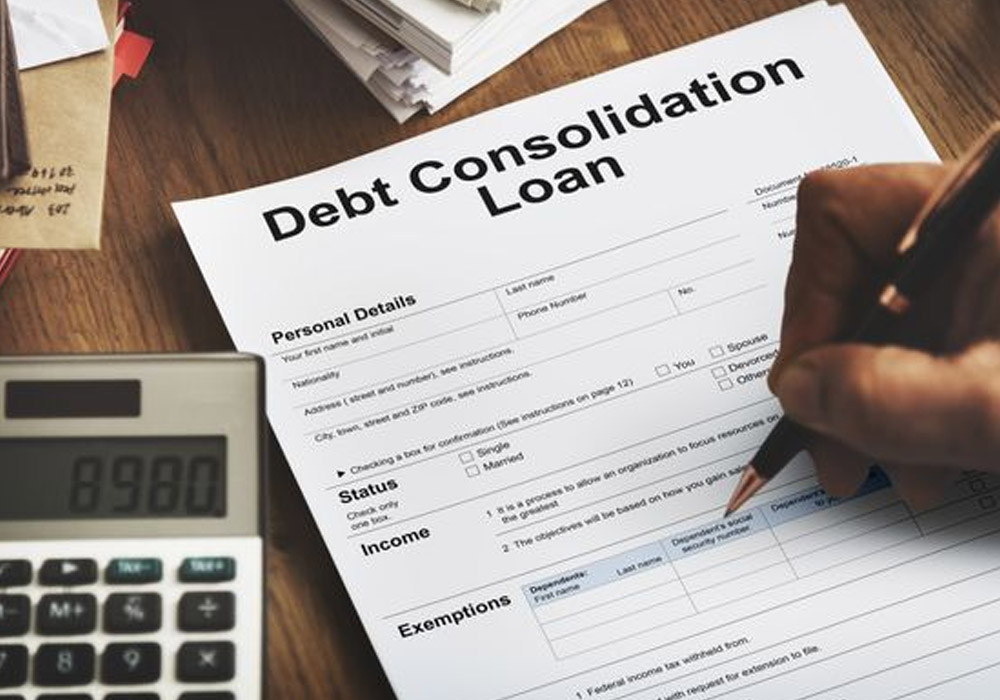
A lot of people talk about debt in terms of balance, interest rate, or monthly payment. Those numbers matter, but they can also trap you in a narrow way of thinking. You end up asking, “What is the cheapest move right now?” instead of, “What outcome am I trying to create in my life?”
That shift matters because debt decisions are rarely just math problems. They are time problems, stress problems, relationship problems, and sometimes tax problems. When people start looking into options like personal loan debt relief, they are often trying to change more than a payment schedule. They are trying to create breathing room, predictability, and a path back to normal.
If you think in terms of outcomes first, the choices get clearer. You stop chasing a perfect financial hack and start building a strategy that matches your real priorities.
Pick the outcome before the tool
- A lower monthly obligation so your bills are actually sustainable.
- A shorter runway out of debt, even if the monthly payment is uncomfortable.
- Protection from falling further behind while you stabilize income.
- Less chaos and fewer surprise calls if your account has already gone delinquent.
- A cleaner long term plan that you can explain to a spouse or stick to on your own.
People often choose the wrong tool because they choose too early. They hear one tactic from a friend and try to force it onto a different situation. But a person with temporary cash flow trouble needs something different from a person whose payment is impossible even in a good month.
That is why your first question should not be, “What do people usually do?” It should be, “What must be different six months from now for me to say this worked?”
Know what success actually looks like
Maybe success means you can pay every required bill without using another loan. Maybe it means one payment instead of four. Maybe it means ending the uncertainty of repeated collection contact. If part of your goal is getting organized, it helps to understand what collectors are generally required to provide. The Consumer Financial Protection Bureau debt collection rule overview explains that the rule addresses communications and disclosures in debt collection, which is useful context when you are trying to sort real obligations from confusion and respond with a clearer head.
Success can also mean knowing what you will not trade away. For one person, protecting rent and groceries may matter more than paying a debt down as fast as possible. For another, the key outcome is stopping the cycle of robbing next month to survive this month. Those are different goals, and they can lead to different choices.
Count the side effects, not just the payment
For example, debt issues can spill into taxes in ways people overlook. The IRS explains that a CP2000 notice may be sent when information reported by third parties does not match what was reported on a tax return, and that the notice proposes changes and asks for a response. Reading about the IRS CP2000 notice process can give you a clearer sense of why paperwork and recordkeeping matter when your financial situation gets complicated.
The same kind of side effect check applies to your daily life. If a plan depends on perfect spending discipline for twelve straight months, is that realistic with your current job, family schedule, and energy level? If a repayment strategy leaves no room for car repairs or medical copays, it may fail even if the numbers technically work.
This is where outcome based thinking becomes practical. A lower payment is not always a better outcome if it stretches uncertainty for years. A fast payoff is not always a better outcome if it leaves you one unexpected bill away from default. Looking only at the headline number can hide what the plan is doing to the rest of your life.
Use outcomes to judge progress honestly
Once you start, measure the right things. If your goal was stability, progress is not only the declining balance. It is also whether you stopped missing payments, whether collection pressure eased, whether your budget became predictable, and whether you are borrowing less to get through the month.
This approach also helps you adjust without feeling like you failed. Sometimes a plan that looked smart on paper turns out to be too fragile in real life. That does not always mean you lacked discipline. It may mean the plan was built around the wrong outcome.
Thinking this way does not erase the math. It just puts the math in the right place. Numbers still matter, but they should serve the life you are trying to build. When you start with the outcome, you give every financial decision a clearer job to do.