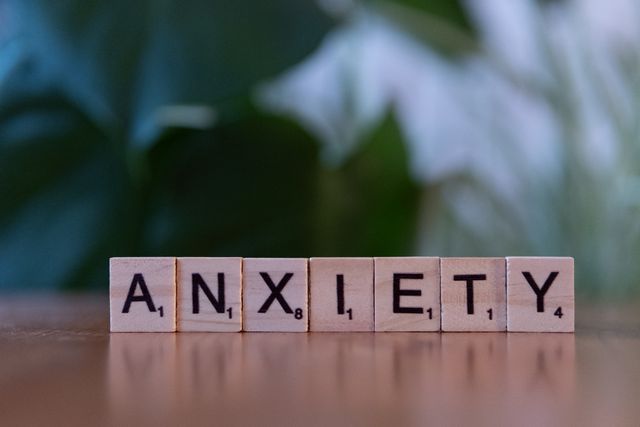
For years, talk therapy and daily antidepressant pills were pretty much the only options on the table. While those standard approaches still help millions of people, they just don’t work for everyone. Luckily, medical science hasn’t stood still. Today, newer treatments offer real hope and practical alternatives for anyone who feels like they’ve hit a wall with traditional care. Here is a look at some of the most effective modern therapies changing the game for depression and anxiety.
Ketamine and rapid-acting therapeutic options
We’re seeing a massive shift in how doctors treat severe mood disorders, especially with supervised ketamine therapy and emerging psychedelic treatments. Traditional antidepressants usually take weeks or even months to kick in. Ketamine works differently. It targets glutamate pathways in the brain, which can bring relief in a matter of hours or days instead of months. That speed is a lifesaver when someone needs to pull out of a heavy, overwhelming emotional state safely and quickly.
TMS and modern brain care
Transcranial Magnetic Stimulation, or TMS, is another major breakthrough in brain health. It’s completely non-invasive and uses gentle magnetic pulses to stimulate the specific brain areas that regulate your mood. During a typical 30-minute session, you just sit comfortably in a chair and feel a light tapping on your scalp. That’s it. Because it’s drug-free, you don’t have to deal with annoying side effects like sudden weight gain, fatigue, or brain fog. It’s huge worldwide right now. For example, if you live in Australia and need advanced treatment options, you can easily find professional Sydney TMS therapy specialists who build tailored plans for treatment-resistant depression. It’s a clean, direct way to regain your balance.
Neurofeedback and active brain retraining
Neurofeedback, which you might also hear called EEG biofeedback, uses real-time brain monitoring to help you actually see, understand, and adjust your own neural patterns. During a session, small, non-invasive sensors rest lightly on your scalp to track your brain activity while you watch a video, listen to music, or play a simple game on a screen. It feels completely effortless on your end, but under the hood, your brain is working hard. The technology acts like a mirror for your central nervous system, showing you precisely how your brain reacts to stress, focus, and relaxation. Instead of passively relying on pills to shift your mood, you get a front-row seat to your own brain mechanics. It takes the guesswork out of mental health and opens up an entirely new, hands-on way to approach long-term emotional wellness.
Neuroplasticity and emotional healing
Another huge piece of the puzzle is neuroplasticity, in plain words your brain’s natural ability to grow, adapt, and rewrite its own wiring. In a safe clinical setting, low doses of ketamine help kick this process into high gear. It helps your brain break out of those exhausting, negative thought loops that keep you stuck in anxiety. Researchers are finding similar long-term wins when pairing psilocybin or MDMA with expert counseling. These treatments don’t just numb your feelings or mask symptoms. They give your brain a chance to reset so you can process old trauma and build real resilience.
Building resilience through real-time biofeedback
When your brain waves enter a calm, balanced state, the screen rewards you with smooth playback or audio cues. But if your brain starts drifting back into high-anxiety patterns, the screen feedback changes, prompting your brain to readjust. Over a few sessions, your nervous system learns how to self-regulate naturally. It transforms mental health care into an active, trainable skill. That’s a game-changer for anyone dealing with panic or racing thoughts.
Virtual reality and interactive exposure therapy
Digital tools are taking mental health care even further. Virtual reality now allows people facing phobias, severe panic, or PTSD to try safe, gradual exposure therapy alongside a licensed therapist. Instead of confronting terrifying real-world triggers head-on, you navigate them inside a carefully controlled digital space. Your therapist stays right there with you, adjusting the intensity in real time to match your comfort level. This hands-on method builds emotional strength quickly without putting you in harm’s way. It gives you practical tools and genuine confidence to handle anxiety triggers whenever they pop up in your daily life.
Smart wearable technology
Even everyday tech is getting involved. Modern wearables can now track physical stress signals like heart rate variability and skin temperature throughout your day. These smart sensors pick up on rising anxiety long before a full panic attack hits. When your stress spikes, an app on your phone prompts you with quick breathing routines or grounding exercises. It bridges the gap between therapy appointments and brings real support straight into your daily routine.
A brighter future
Mental health treatment is moving fast, giving us smarter tools to restore peace of mind. If the old ways haven’t given you the results you need, these modern, evidence-based options offer a clear, hopeful path forward. Taking control of your mental health journey is more practical, and promising, than ever.