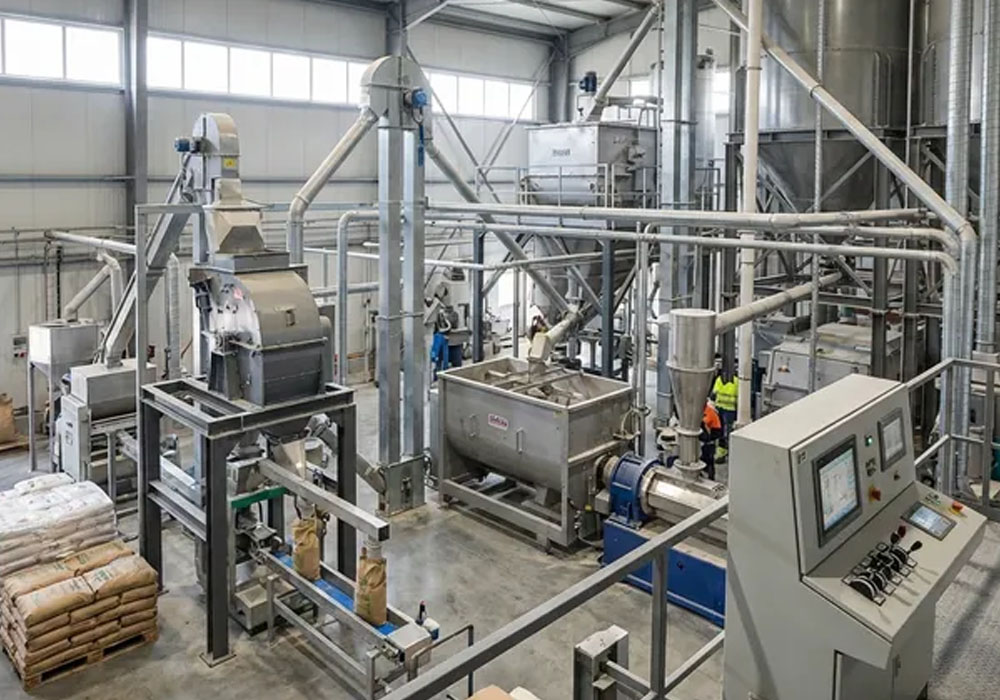
Feed mills play a central role in producing nutritionally balanced feed, contributing significantly to livestock health and productivity. Selecting the correct equipment is critical not only for maximizing efficiency but also for producing consistent, high-quality output. From initial grinding to final storage, each stage requires specific tools and machinery. For those seeking dependable tools, exploring Cruco Mill & Industrial Supply’s feed mill products is a practical step toward efficient feed production. Understanding the range of available machinery, their key functions, and maintenance needs can help mill operators streamline processes and improve overall performance. Choosing suitable equipment involves balancing operational needs, product quality, and safety. The right equipment enables feed mills to meet industry standards while remaining adaptable to evolving technologies and scale. Ultimately, making well-informed choices promotes sustainability and boosts productivity for the entire operation. In addition, reliable sources of information and strategic investments in technology are especially important as the industry faces regulatory and market changes. This comprehensive guide covers the essential components of modern feed mills, including grinding, mixing, pelting, conveying, automation, maintenance, and safety measures. Operators who understand the best practices for equipment selection, optimization, and biosecurity can ensure long-term reliability and consistent, high-quality feed for livestock.
Grinding Equipment
Efficient grinding is fundamental to feed mill operations. It breaks down raw materials, such as grains and cereals, into smaller, more digestible particles, directly impacting animal nutrition and feed process uniformity. The two main types of grinding equipment are hammer mills and roller mills.
- Hammer Mills: These machines crush raw ingredients using high-speed rotating hammers. They are valued for their ability to process a wide range of materials and produce particles of varying sizes. Routine maintenance, including regular checks of screens and hammers, prevents operational inefficiencies and extends the lifespan of the machinery.
- Roller Mills: Using paired rollers, these mills provide a more uniform particle size and operate at lower power consumption. The granulation produced by roller mills is particularly advantageous for quality control and subsequent mixing efficiency.
Choosing between these options depends on the nature of your feed ingredients, operational scale, and desired consistency. Both perform best when subjected to preventive maintenance and operator training, as recommended by industry leaders like Flypaper Magazine.
Mixing Machinery
Effective mixing eliminates ingredient segregation, enabling balanced, nutrient-rich feed. Uniform distribution of microingredients, such as vitamins or amino acids, ensures each batch meets the dietary needs of livestock. The most widely used mixing machines in feed mills are horizontal and vertical mixers.
- Horizontal Mixers: These are ideal for high-volume operations and employ rotating paddles or ribbons to blend large batches thoroughly. Their design supports faster mixing times and consistent results.
- Vertical Mixers: Better suited for smaller facilities, these machines use a vertical screw mechanism to lift and tumble ingredients. They offer simplicity and efficiency, particularly in tight production spaces.
Selection depends on batch size, processing frequency, facility layout, and the types of ingredients used. Proper mixing technology improves homogeneity, benefiting both feed quality and nutritional output, as detailed in Penn State Extension research.
Pelleting Systems
Pelleting transforms mixed feed into compact, uniform pellets, simplifying storage, transportation, and animal consumption. This process reduces feed waste and increases palatability for many species. Core components of pellet systems are conditioners and pellet mills.
- Conditioners: By introducing steam and heat, conditioners soften and prepare the mixed feed for pelleting, boosting both pellet quality and production efficiency.
- Pellet Mills: These mills press conditioned feed through various die patterns, producing pellets of different sizes and densities. To maintain optimal output, operators should frequently monitor die and roller conditions.
The investment in well-maintained pelleting equipment pays dividends by supporting consistent production output and encouraging feed intake in animals.
Conveying and Storage Solutions
Seamless movement and protected storage of both raw materials and finished feed are essential for maintaining quality and operational efficiency. Conveying systems transport large volumes quickly and safely, while robust storage structures guard against moisture, pests, and contamination.
- Bucket Elevators: Especially effective for vertical lift operations, bucket elevators move grains and powders with minimized dust and spillage.
- Screw Conveyors: These offer flexibility for both horizontal and inclined transport, using a helical screw blade inside a tube.
- Storage Silos: Silos provide large-scale, airtight storage capacities that preserve feed quality and prevent loss.
Well-designed conveying and storage solutions are vital components of an efficient, scalable feed manufacturing setup.
Automation and Control Systems
Automation has revolutionized feed mill operations, enabling greater control, traceability, and accuracy. Integrating programmable logic controllers (PLCs) automates routine tasks such as batching, grinding, and mixing. These systems minimize human error and ensure consistent product quality every cycle.
- PLCs: Customized for sequence control, PLCs handle tasks from ingredient dosing to machinery operation, maximizing throughput and operational safety.
- SCADA Systems: These provide a centralized interface for real-time monitoring and control of milling processes, allowing operators to address issues or adjust parameters promptly.
Adopting advanced automation systems not only streamlines production but also supports compliance with traceability and safety requirements prevalent in today’s feed industry.
Maintenance and Optimization
Predictive and preventive maintenance ensure machinery reliability, reduce downtime, and maintain feed quality. Instituting a structured schedule that includes inspections, lubrication, and calibration minimizes unexpected failures.
- Establish systematic preventive maintenance for all machinery.
- Conduct regular equipment checks to identify early signs of wear or breakdown.
- Train staff on the latest equipment handling and safety practices.
Effective maintenance safeguards long-term investments, reduces lifetime equipment expenses, and sustains high production standards.
Safety and Biosecurity Measures
Feed mills must follow strict safety and biosecurity guidelines to protect both employees and the broader food supply chain. Hygiene and contamination prevention should be built into everyday routines.
- Implement consistent cleaning and sanitation protocols at all facility stages.
- Fit vulnerable mechanical components with durable machine tool protection covers to shield moving parts from particulate buildup. These protective barriers minimize equipment wear while preventing lubricant or environmental contaminants from entering the feed stream.
- Ensure proper use of personal protective equipment (PPE) for every staff member involved in production and maintenance.
- Organize ongoing drills and training sessions for safety and biosecurity preparedness.
Following these measures significantly minimizes the risk of feed contamination, safeguarding livestock and ultimately consumers.
Conclusion
Each stage of feed production relies on specialized machinery to meet strict quality, efficiency, and safety requirements. Consistently selecting and maintaining the right feed mill equipment enables producers to deliver superior nutrition to livestock, reduce operational costs, and maintain industry compliance. Forward-thinking integration of automation and adherence to hygiene best practices further ensure that feed mills remain productive and future-ready. Investing in reliable equipment also helps minimize downtime, improve production consistency, and support long-term business growth.
From grinding and mixing to pelletizing and storage, every component plays an important role in creating high-quality animal feed. By prioritizing equipment performance, regular maintenance, and technological advancements, feed producers can enhance overall productivity while meeting the evolving demands of the agricultural industry. A well-managed feed mill not only improves efficiency but also contributes to healthier livestock and a more sustainable production process.