Classic luxury cars continue to captivate drivers across generations through a unique blend of heritage and design. These vehicles represent milestones of engineering that modern assembly lines cannot easily replicate.
Owning a vintage vehicle provides a tactile driving experience that connects owners directly to automotive history. Admirers value these machines as functional works of art that maintain lasting prestige.
Historical Craftsmanship and Timeless Design
Classic automobiles represent a bygone era of engineering precision and artistic dedication. Enthusiasts often browse Beverly Hills Car Club’s collection to find rare models that capture the spirit of mid-century elegance. These vehicles showcase sculpted body panels and handcrafted interiors that modern production facilities rarely duplicate.
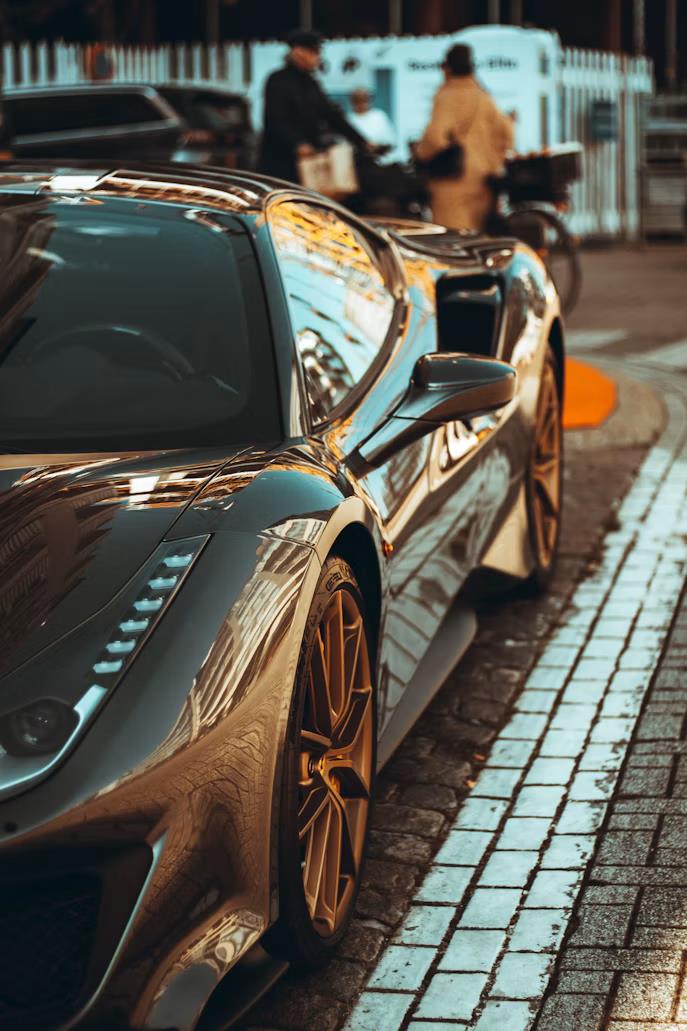
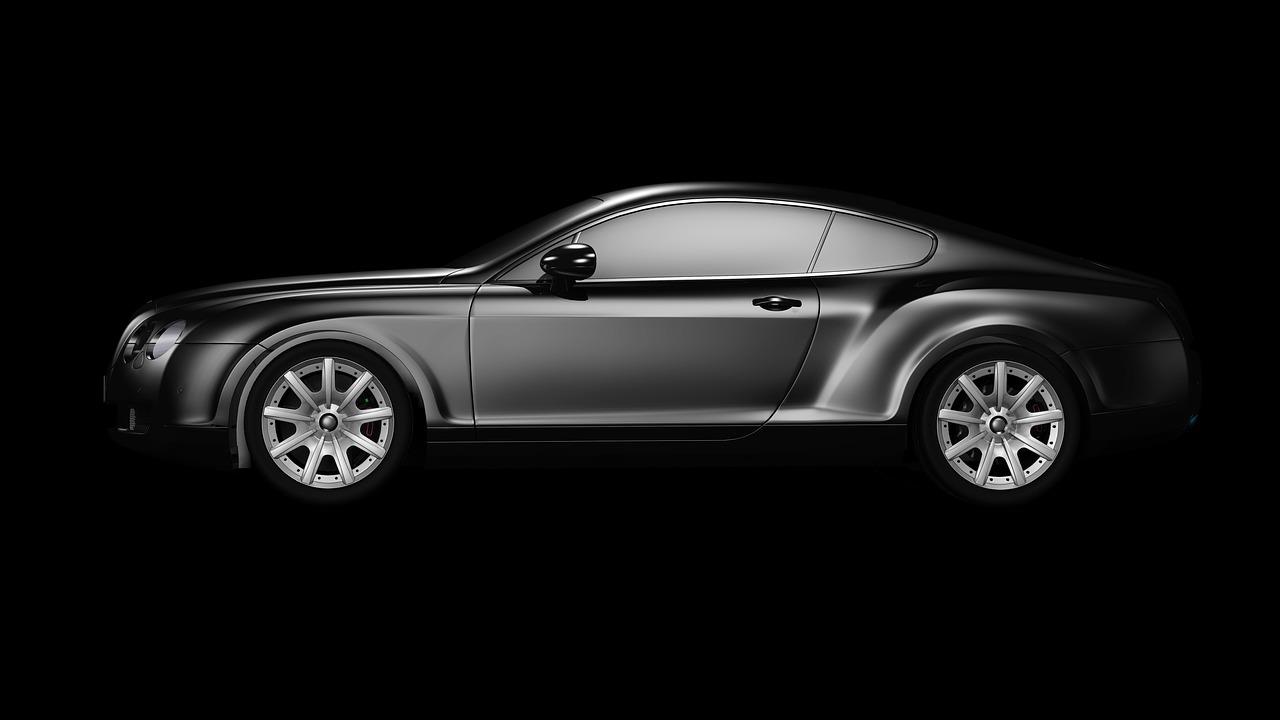
Automakers during the mid-twentieth century prioritized unique styling over uniform aerodynamics. Designers shaped bodylines by hand, creating iconic silhouettes that remain instantly recognizable on public roads. Collectors appreciate these distinct curves, custom chrome accents, and specialized badges that define classic styling.
Cabin construction in vintage luxury vehicles relied on real wood trim, premium leather hides, and heavy metal switchgear. Drivers interact directly with mechanical gauges rather than digital screens, creating an authentic connection to the machine. Quality materials allow these interiors to age gracefully when properly maintained by dedicated owners.
Investment Value and Market Growth
High-end vintage automobiles have shifted from simple hobbies into recognized tangible assets. Financial advisors notice that well-preserved vehicles often retain strong market valuation during uncertain economic periods. Collectors track auction results closely to identify which vehicle generations experience rising demand.
Market dynamics across North America reflect steady commercial interest in historic automotive sales. Official corporate filings submitted to the Securities and Exchange Commission confirm that the US market size for classic car dealers covers substantial ongoing sales activity. Strong consumer demand helps maintain solid pricing across rare European and American models.
Rarity plays a major role in determining the long-term monetary growth of specific models. Vehicles produced in limited quantities or featuring factory-original options command premium values among international buyers. Proper documentation and verified ownership history further protect a collector’s financial commitment over multiple decades.
The Emotional Connection to Automotive History
Driving a classic luxury car evokes a sense of nostalgia that modern transportation rarely achieves. Steering wheels require intentional effort, and engine notes deliver pure mechanical feedback without synthetic enhancement. Every journey transforms into a deliberate celebration of traditional motoring heritage.
Owners frequently associate specific vehicles with notable cultural eras or family memories. Passing a vintage sedan or convertible down through family generations strengthens personal ties to automotive history. These shared experiences turn metal and glass into treasured family heirlooms.
The sensory experience extends beyond driving to include the distinct smells of aged leather and gasoline. Mechanical instruments hum smoothly as the engine reaches operating temperature during weekend outings. These physical feedback cues create a rewarding contrast against automated modern commuting options.
Exclusive Communities and Heritage Events
Vehicle ownership opens doors to exclusive social networks, rally trips, and prestigious concours competitions. Enthusiasts gather at weekend displays to share technical knowledge and celebrate automotive design achievements. Shared passion builds lasting friendships among collectors from widely diverse professional backgrounds.
Leading luxury manufacturers actively maintain connection with historic vehicle owners through structured programs. Financial disclosures from top automakers reveal tailored events crafted specifically for passionate brand communities, uniting modern car enthusiasts with dedicated classic collectors. These gatherings provide specialized driving routes and private access to historic racing circuits.
Participating in vintage rally events requires thorough preparation and offers distinct rewards for drivers:
- Long-distance touring courses test driver endurance and mechanical reliability across scenic highway routes.
- Specialized judging events evaluate historical accuracy, factory correctness, and restoration quality.
- Private club meetings offer access to rare spare parts and expert restoration advice.
Mechanical Simplicity in a Digital World
Modern luxury cars rely heavily on complex computer modules, sensors, and electronic touchscreens. Classic vehicles offer an accessible mechanical architecture where components operate through gears, cables, and linkages. Home mechanics can inspect, diagnose, and repair system issues using basic hand tools.
Simple carburetor setups and distributor ignitions allow owners to understand exact engine operations. Working directly on a vintage V8 or inline-six engine provides a deep sense of personal accomplishment. Drivers appreciate knowing every component beneath the hood functions through direct mechanical forces.
Fewer electronic control units mean vintage cars remain immune to software glitches or digital obsolescence. A well-maintained mechanical system operates reliably for decades with routine liquid changes and basic adjustments. This physical durability allows historic automobiles to remain operational far into the future.
Preservation and Restoration Artistry
Restoring a vintage luxury vehicle demands skilled craftsmanship, patience, and historic accuracy. Artisans spend hundreds of hours reshaping metal panels, applying multi-stage paint, and rebuilding period-correct engines. Success requires sourcing genuine components or fabricating replacement parts from original factory blueprints.
Preservation specialists focus on maintaining original patina rather than performing complete aesthetic overhauls. Factory paint finishes and aged upholstery tell authentic stories of a vehicle’s past. Unrestored survivor cars often earn higher acclaim among expert judges than completely rebuilt examples.
Specialized workshops around the world preserve traditional techniques like coachbuilding, wood veneering, and manual metal shaping. Master craftspeople pass these rare skills down to apprentices to keep historic trades alive. Their dedicated labor guarantees historic vehicles retain original character for future generations to admire.
The Future of Vintage Driving
Automotive technology continues moving toward electric power and autonomous driving systems. Vintage automobiles retain a unique identity as pure, human-operated machines that celebrate driving skill. Enthusiasts protect these vehicles to maintain a physical link to mechanical transportation history.
Synthetic fuels and eco-friendly lubricants allow classic engines to run cleanly without mechanical modifications. Environmental adaptations help preserve historic vehicle use on public roads alongside modern electric fleets. Sustainable practices support ongoing operation without compromising the vehicle’s original specifications.
Future generations will continue seeking authentic mechanical experiences as daily transport becomes increasingly automated. Historic car clubs and youth apprentice programs recruit new members to keep classic motoring traditions alive. Legacy automobiles will maintain high appeal as cherished symbols of freedom and design excellence.
Classic luxury cars represent a timeless intersection of mechanical artistry, personal style, and enduring investment potential. Driving these historic vehicles delivers sensory rewards that modern digital transportation cannot match.
As automotive technology evolves toward complete automation, vintage automobiles remain prominent cultural artifacts. Dedicated collectors and passionate communities protect these iconic machines to honor a rich heritage of open road driving.