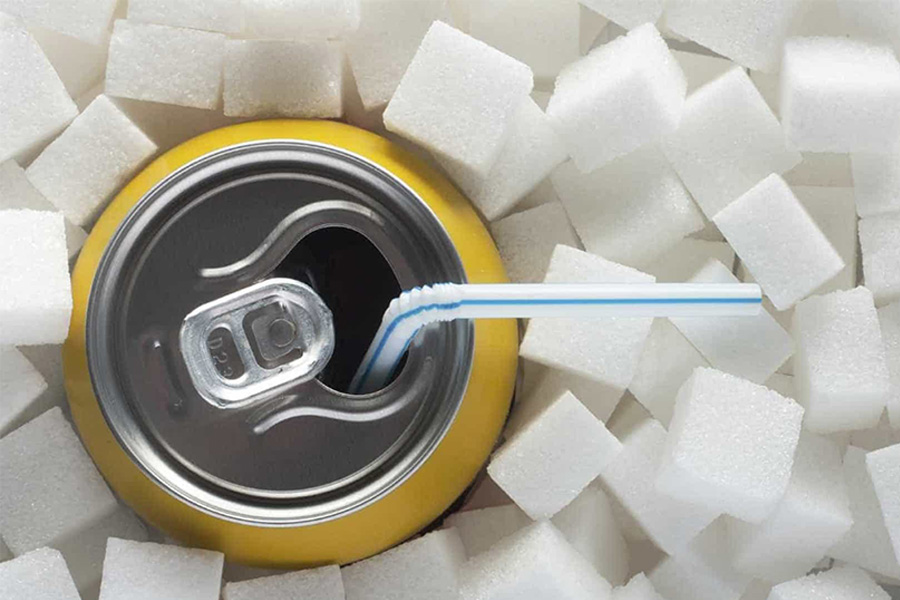
A can marked “zero sugar” can feel like a small health win. You get the fizz, flavour or caffeine without the obvious sugar hit, and compared with a full-sugar soft drink, that can seem like an easy swap.
For your teeth, though, the label does not tell the whole story.
Sugar is strongly associated with tooth decay, but it is not the only thing in a drink that matters. Acids can also affect teeth by softening and gradually wearing away enamel. That means a drink can be sugar-free and still be something worth consuming with a little more thought, particularly if it is acidic and sipped repeatedly throughout the day.
The label solves one problem, not every problem
Tooth decay and tooth erosion are different processes.
Decay involves bacteria in dental plaque using sugars and producing acids that can damage the tooth. Erosion is different. It happens when acids themselves come into contact with the tooth surface and soften the enamel, which can then wear away over time.
That distinction matters because many drinks marketed as sugar-free, diet, low-kilojoule or “zero” may still contain acids for flavour, tartness or preservation. Soft drinks are an obvious example, but sports drinks, energy drinks, flavoured sparkling waters and other bottled beverages can also be acidic.
So “no sugar” should not automatically be read as “no dental impact”. It is better understood as one piece of information about the drink, not a complete verdict on it.
The overlooked issue is how you drink it
What you drink matters, but so does the pattern around it.
Finishing an acidic drink with a meal is different from keeping the same bottle on your desk and taking a sip every few minutes for three hours. Frequent sipping can repeatedly expose the teeth to acid, giving the mouth less time between exposures.
This is where modern routines can quietly work against us. A sugar-free energy drink during a long afternoon, a flavoured sparkling water in the car, or a diet soft drink nursed through a meeting may seem harmless because the sugar content is low or nil. Yet the teeth are not reading the nutrition panel. They are responding to what is happening in the mouth.
Saliva helps neutralise acids and supports the mouth’s natural recovery after eating and drinking. Constant exposure can make that recovery period harder to come by.
Not every fizzy drink belongs in the same basket
There is a tendency to treat “sparkling” as a single category, but products vary.
Some flavoured waters contain added food acids such as citric acid, while other drinks use different acid combinations to create a sharp or refreshing taste. A drink that tastes only mildly tangy can still be acidic, and the absence of sugar does not remove that factor.
That does not mean every sparkling drink needs to disappear from the fridge. It means the ingredient list deserves more attention than the large claims on the front of the bottle.
Plain water remains the simplest option for regular sipping. In many Australian communities, fluoridated tap water also provides an added oral-health benefit. If you enjoy an acidic drink, having it in one sitting rather than stretching it across the day can be a more tooth-conscious habit.
A “healthy” routine can still have blind spots
The interesting part is that some of the people most likely to choose sugar-free drinks are doing so because they are already trying to make better decisions.
Someone who has cut out full-sugar soft drink may switch to a zero-sugar version. A gym-goer may reach for an electrolyte drink after training. Someone reducing alcohol may replace an evening drink with flavoured sparkling water and citrus. None of those choices is automatically wrong.
The blind spot appears when “sugar-free” becomes shorthand for “safe to sip endlessly”.
Dental erosion can be gradual, and early changes are easy to miss. Sensitivity to cold, changes in colour, thinning-looking edges or small chips can have several possible causes, which is why persistent changes are better assessed rather than guessed at. For Canberra residents who notice those changes, a dental assessment through My Dentist Canberra can help establish whether tooth wear, sensitivity or another issue is involved.
Small changes work better than drink rules
Most people do not need another long list of foods and drinks they are told never to have. A more realistic approach is to change the way acidic drinks fit into the day.
If you choose one, avoid turning it into an all-afternoon companion. Have water afterwards, especially if your mouth feels dry. After an acidic drink, give the mouth some time before brushing rather than scrubbing softened enamel immediately. And when you want something to sip absent-mindedly while working, driving or watching television, plain water is difficult to beat.
It is also worth remembering that acid does not only come from drinks. Reflux and frequent vomiting can expose teeth to stomach acid, and dry mouth can make erosion more of a concern because there is less saliva available to help neutralise acids. Anyone dealing with those issues may need advice that goes beyond simply changing beverages.
Read the habit, not just the label
Food marketing trains us to look for quick signals: zero sugar, natural, low calorie, no added sugar. Those labels can be useful, but they encourage a yes-or-no way of thinking about products that is not always helpful.
For teeth, context matters. What is in the drink, how acidic it is, how often it is consumed and how long it stays in contact with the teeth can all shape the outcome.
A sugar-free drink can still be a sensible choice in some situations. It just should not receive an automatic health halo. Sometimes the smartest adjustment is not changing what is in the can, but changing how often the can reaches your mouth.