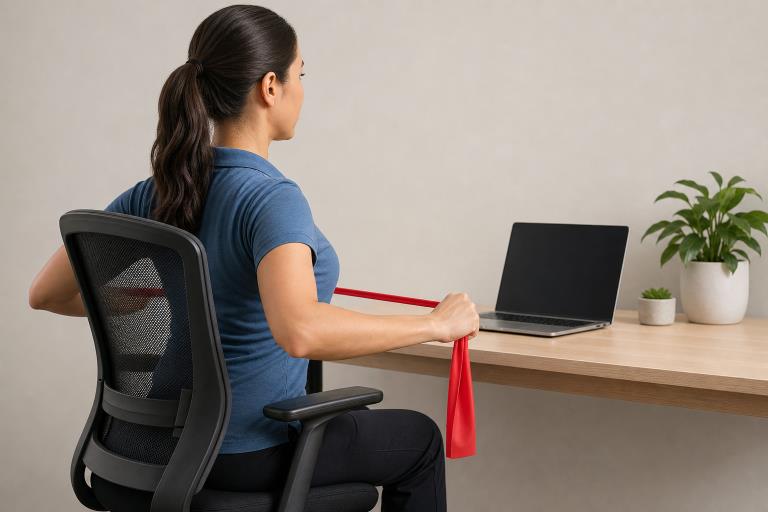
Key Takeaways
- Neck pain often builds from repeated daily demands rather than one single movement.
- Changing positions regularly can be more helpful than trying to hold perfect posture all day.
- Strength and movement control in the neck, shoulders, and upper back may matter as much as flexibility.
- Stretching, heat, and massage can provide relief, but they may not address the reason symptoms keep returning.
- A medical professional should evaluate numbness, weakness, spreading pain, or worsening symptoms.
Recurring neck pain is frustrating because it can improve for a few days, then return during a busy workweek, after a workout, or following a poor night of sleep. For people seeking individualized physical therapy solutions for neck pain in Lexington, Move Smart provides one-on-one, movement-focused care that considers the neck, shoulders, upper back, breathing patterns, and daily habits. Its Lexington clinic uses personalized evaluation, movement analysis, hands-on treatment, corrective exercise, and education to help patients address factors behind repeated flare-ups.
Why Neck Pain Can Keep Returning
Many neck problems develop gradually. Long desk sessions, frequent phone use, repetitive lifting, stress, limited upper-back movement, and uncomfortable sleep positions can all increase the overall load on the neck. When symptoms settle but the same demands continue, the irritation may return. Posture is only one part of the picture. Even a position that looks well aligned can become uncomfortable when held for hours. Instead of chasing a rigid “perfect” posture, aim for variety. Small changes in position, regular movement, and a comfortable setup can reduce the strain of staying still.
Daily Habits That May Add Extra Strain
Common habits are not inherently harmful, but they can become aggravating when the body lacks sufficient strength, mobility, or recovery capacity to manage them. Notice whether symptoms tend to follow any of these patterns:
- Looking down at a phone for long stretches.
- Using a laptop without raising the screen or adding a separate keyboard.
- Carrying a heavy bag on the same shoulder every day.
- Driving with the head held forward away from the headrest.
- Sleeping on the stomach with the neck turned to one side.
- Skipping recovery after demanding workouts or physical work.
A Simple Movement-Break Plan
A movement break does not need to become a workout. One or two minutes can interrupt a long period of stillness and give the neck, shoulders, and upper back a chance to move differently. Every 30 to 60 minutes, try this comfortable sequence:
- Stand up, shift position, or walk briefly around the room.
- Perform a few relaxed shoulder rolls in both directions.
- Slowly turn the head from side to side without forcing the range.
- Reach the arms overhead or across the body to bring the upper back into the movement.
- Return to work after adjusting the screen, chair, or keyboard as needed.
Why Strength May Matter More Than More Stretching
A tight feeling does not always mean a muscle needs a deeper stretch. Muscles can feel tense because they are tired, guarding an irritated area, or compensating for limited control elsewhere. The deep neck muscles, shoulder-blade muscles, and upper back may all influence how much work the neck has to do during sitting, reaching, lifting, and exercise. Different exercise styles may help different people. Evidence summarized in research on movement-based programs for neck pain suggests that options such as motor-control exercise, resistance training, Pilates, and yoga can offer short-term benefits for chronic nonspecific neck pain. No single style is best for everyone, so the right program is one that matches a person’s symptoms, goals, and tolerance.
Beginner-Friendly Areas To Train
Rather than treating this list as a personal diagnosis or universal exercise prescription, think of these areas as parts of a connected system that may support healthier neck movement:
- Deep neck muscles:Help control the head with less reliance on large surface muscles.
- Shoulder-blade muscles:Support reaching, carrying, and computer work.
- Upper-back muscles:Help share the work of rotation and arm movement.
- Core and trunk muscles:Provide steadiness during everyday tasks and lifting.
- Breathing muscles:May reduce unnecessary neck tension during stress or effort.
Desk, Screen, and Sleep Adjustments
Expensive equipment is not required to make a workstation more comfortable. Place the top of the monitor near eye level, keep the keyboard close enough that you are not reaching forward, let your shoulders rest, and make sure both feet can rest comfortably. Move the phone closer to eye level when possible, then alternate sitting, standing, walking, and reaching throughout the day. Sleep can also affect morning stiffness. Side sleepers may benefit from a pillow height that prevents the head from dropping toward the mattress. Back sleepers often prefer support that does not push the head far forward. Sleeping on your stomach can leave your neck rotated for hours. Change one factor at a time, such as pillow height or sleep position, so it is easier to tell what actually helps.
When Stretching, Massage, or Rest Is Not Enough
Heat, massage, rest, and gentle stretching may be useful tools for short-term comfort. However, symptoms can return if work habits, movement patterns, strength deficits, or recovery needs are never addressed. A broader assessment may help identify whether the neck is compensating for stiffness in the upper back, shoulder limitations, repetitive loading, stress-related tension, or another factor.
Signs That Call for Professional Care
Online guidance is not a substitute for an evaluation when symptoms are severe, persistent, or unusual. Seek medical guidance for:
- Pain that lasts several weeks, worsens, or repeatedly returns.
- Numbness, tingling, weakness, or pain traveling into the arm or hand.
- Loss of balance, trouble walking, or major coordination changes.
- Neck pain after a fall, crash, or other significant injury.
- Severe headache, fever, unexplained weight loss, or unusual night pain.
- Symptoms that interfere with sleep, driving, work, or exercise.
A Practical Seven-Day Reset
- Day 1:Track when symptoms appear and what activity came first.
- Day 2:Add two short walking or standing breaks to the day.
- Day 3:Adjust the screen, chair, keyboard, and phone position.
- Day 4:Practice gentle neck and shoulder movements within a comfortable range.
- Day 5:Add light upper-back or shoulder-blade strengthening if tolerated.
- Day 6:Review pillow support and sleep position.
- Day 7:Decide whether symptoms are improving, unchanged, or worsening.
Common Questions About Recurring Neck Pain
Can better posture fix neck pain?
Posture changes may help, but no position is ideal when held too long. Movement variety, strength, sleep, stress management, and recovery can matter just as much as alignment.
Should someone stop exercising when the neck hurts?
Complete rest is not always necessary for mild, non-traumatic pain. Gentle activity may be useful, but stop any activity that sharply increases symptoms or causes new numbness, tingling, or weakness.
Is stretching safe for neck pain?
Gentle stretching may feel helpful for some people, while forceful or repeated stretching can aggravate others. Let symptoms guide the range and seek individualized advice when pain keeps returning.
How long should neck pain last?
Mild neck pain may improve within days or weeks. Pain that persists or recurs deserves attention, especially when it lasts longer than 12 weeks or affects normal activities.
Conclusion
Recurring neck pain can be a useful signal to review movement, strength, sleep, workload, posture, and recovery habits. Small daily changes, such as taking movement breaks, adjusting work positions, improving sleep support, and gradually building strength, can add up over time. Avoid relying on a single exercise or quick fix, especially when discomfort keeps returning. Pay attention to activities that increase symptoms and make reasonable adjustments instead of pushing through worsening pain. Persistent, spreading, or neurologic symptoms should not be ignored and may require professional evaluation. The goal is not perfect posture or a miracle exercise, but to build a practical routine and a stronger body that can handle everyday demands with less unnecessary strain.