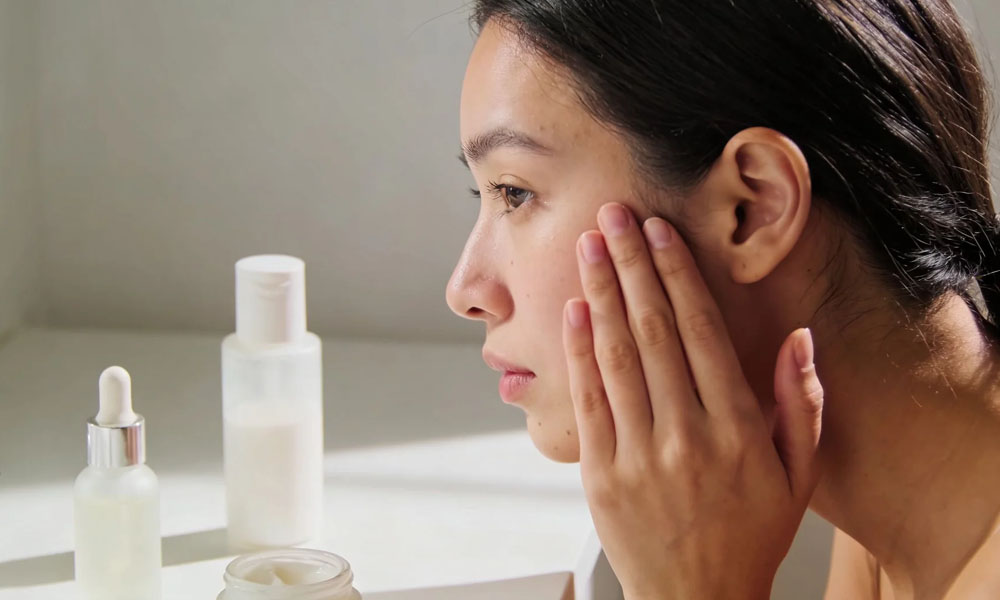
Managing sensitive skin often feels like navigating a minefield where a single wrong choice can lead to a flare-up of redness, itching, or dryness. This reactivity is typically caused by a weakened skin barrier that is highly susceptible to environmental factors, chemicals, and allergens. To maintain a calm and clear complexion, one must adopt a strategy rooted in empathy, science, and careful craftsmanship. This survival guide outlines the essential “do’s” and “don’ts” to help you achieve a healthier skin balance.
The Essentials: What to Do
The primary goal for sensitive skin care is to support the skin’s natural protective barrier. By focusing on hydration and protection, you can reduce the frequency of irritation.
Adopt a Minimalist Routine
When it comes to delicate skin, less is almost always more. A simple, streamlined routine reduces the number of potential triggers your skin is exposed to. Focus on three core steps: a mild cleanser, a soothing moisturizer, and a mineral-based sunscreen.
Prioritize Barrier-Supporting Ingredients
Look for products formulated with ingredients that mimic the skin’s natural lipids and soothing agents.
- Ceramides: These are essential for restoring and maintaining the protective moisture barrier.
- Hyaluronic Acid and Glycerin: These humectants draw moisture into the skin without causing heaviness.
- Niacinamide (Vitamin B3): This versatile ingredient helps reduce inflammation and improves overall barrier function.
- Colloidal Oatmeal and Aloe Vera: Both are renowned for their anti-inflammatory properties and ability to soothe active irritation.
Conduct Rigorous Patch Tests
Never apply a new product to your entire face without testing it first. Apply a small amount to your inner forearm and wait 24 to 48 hours. If you experience any redness or itching, avoid the product entirely.
Use Lukewarm Water
Extreme temperatures can strip the skin of its natural oils. Always wash your face with lukewarm water and avoid long, hot showers to prevent unnecessary dryness.
The Red Flags: What to Avoid
Identifying and eliminating triggers is just as important as choosing the right products. Many conventional skincare items contain additives that are too harsh for reactive skin.
Steer Clear of Irritants
Synthetic fragrances, denatured alcohols, and sulfates are common culprits for skin reactions. Fragrance is one of the leading causes of allergic contact dermatitis, so “fragrance-free” (not just “unscented”) labels are your best friend.
Skip Harsh Physical Exfoliants
Traditional scrubs with large, jagged particles can cause micro-tears in an already compromised skin barrier. If you must exfoliate, opt for very mild chemical exfoliants like lactic acid, and limit use to once or twice a week.
Avoid Over-Complicated Makeup
Heavy oils and certain emollients in cosmetics can clog pores and worsen sensitivity. Instead, choose mineral-based or hypoallergenic makeup that allows the skin to breathe.
Environmental and Lifestyle Considerations
Your skin doesn’t exist in a vacuum; your surroundings and habits play a significant role in its health.
- Weather Protection: Shield your skin from harsh wind and cold by wearing scarves and using a humidifier indoors during the winter.
- Sun Safety: UV exposure can exacerbate redness. Use mineral sunscreens containing zinc oxide or titanium dioxide, as they sit on top of the skin rather than being absorbed.
- Stress Management: High stress levels can trigger inflammatory responses in the skin, worsening conditions like rosacea or eczema. Practices like yoga or meditation can support skin health from the inside out.
- Internal Hydration: Drinking plenty of water ensures your skin remains hydrated and plump.
Know When to Seek Professional Help
If your skin remains persistently red, swollen, or painful despite a gentle routine, it may indicate an underlying condition like rosacea or dermatitis. Consulting experts at a skin care clinic in Salt Lake City can provide you with a tailored treatment plan and prescription-strength solutions if necessary.
Achieving a calm complexion requires patience and consistency. By following these guidelines and listening to your skin’s unique needs, you can transform it from reactive and uncomfortable to soft, supple, and radiant.