Key Architectural Standards of Championship Golf Courses
Stepping onto a championship golf course immediately conveys a sense of grandeur and purpose. These courses are not merely places to hit a ball; they are carefully engineered landscapes designed to challenge and inspire. The architectural standards that define them go far beyond aesthetics, dictating the very nature of the game played upon them. Key among these are yardage demands, slope and course ratings, and the strategic distribution of par throughout the 18 holes.
Championship courses are typically characterized by their significant length, often exceeding 7,000 yards from the back tees, a feature that tests the long game of even the most accomplished players. This extensive yardage is complemented by a high slope rating, which quantifies the relative difficulty of a course for a bogey golfer compared to a scratch golfer. A higher slope rating indicates more challenging conditions, often due to hazards, narrow fairways, and complex green complexes. The course rating, on the other hand, measures the playing difficulty for a scratch golfer under normal course conditions. Together, these ratings provide a comprehensive assessment of a course’s inherent challenge.
The distribution of par—the predetermined number of strokes an expert golfer should take to complete a hole—also plays a crucial role. A typical championship layout, such as the one found at Plum Creek, often features a par of 71 or 72. This balance of par-3s, par-4s, and par-5s is meticulously planned to ensure a diverse range of shot values, demanding proficiency with every club in the bag. From long, strategic par-5s that offer risk-reward opportunities to challenging par-3s requiring pinpoint accuracy, each hole is crafted to present a unique test. The goal is to create a comprehensive examination of a golfer’s skill, where every shot carries significant weight and strategic decision-making is paramount.
Strategic Design Elements of Championship Golf Courses
Beyond the raw numbers, the true artistry of a championship course lies in its strategic design elements. These are the features that shape the playing experience, creating both beauty and formidable challenges. At Plum Creek, a premier championship public golf course, for instance, the design philosophy emphasizes a deep connection with the natural Texas landscape, making for a truly unique round.
One distinctive characteristic often found in premier designs is the concept of isolated fairways. This means that no two fairways touch, creating a profound sense of privacy and seclusion for golfers as they navigate the course. This isolation contributes to an immersive experience, allowing players to focus entirely on their game and the immediate surroundings without distraction from adjacent groups. It fosters a feeling of being alone with nature and the challenge of the course, enhancing the mental aspect of golf.
The incorporation of natural topography is another hallmark. Rather than imposing an artificial landscape, championship courses often leverage existing features such as rolling hills, natural waterways, and mature trees. At Plum Creek, this translates into a design that spans over 200 acres, artfully integrating indigenous elements like limestone outcroppings, native live oaks, and wildflowers. These natural elements are not merely decorative; they are integral to the course’s strategic challenges, influencing shot placement and club selection. A well-placed live oak can demand a precise fade or draw, while limestone formations might define the boundaries of a playable area.
Strategic bunkering, both in fairways and around greens, further elevates the challenge. These hazards are positioned not just to penalize errant shots but to guide strategic play, forcing golfers to consider their lines of attack and lay-up options. Similarly, forced carries over water or natural ravines add an element of risk-reward, demanding confidence and accurate ball striking. These elements combine to create a course where thoughtful planning is as important as skillful execution, ensuring that every round is a fresh and engaging experience.
Tee Box Configurations and Yardage Distribution
A truly inclusive championship golf course recognizes that golfers come with a wide range of abilities and experience levels. To accommodate this diversity while still offering a legitimate challenge, such courses feature multiple tee box configurations. This thoughtful approach ensures that players of all skill sets can enjoy the course and experience its strategic nuances.
Typically, a championship course will offer at least five sets of tees, each designed to provide an appropriate challenge based on a golfer’s handicap and desired playing experience. These tees are often color-coded or named (e.g., Championship, Regular, Senior, Ladies, Junior) and are strategically placed to adjust the overall length and angles of attack for each hole.
For example, the back tees, often referred to as the Championship or Black tees, are reserved for highly skilled players and professionals, offering the full length and challenge of the course, which at Plum Creek measures just over 7,100 yards. Moving forward, the Regular or Blue tees might cater to lower-to-mid handicap golfers, while the Senior or White tees provide a more manageable length for older players or those with moderate handicaps. The Forward or Red tees are typically designed for women and higher-handicap players, ensuring an enjoyable experience without the daunting length of the back tees. Some courses also include a set of Junior or Green tees, positioned even further forward to encourage younger players.
This tiered system is crucial for course accessibility and playability. It allows golfers to “choose their own adventure,” selecting a set of tees that aligns with their current skill level, ensuring that the course remains challenging but fair. The aim is to make the game enjoyable for everyone, from aspiring pros to weekend enthusiasts, by offering a tailored experience that respects individual capabilities.
Tee Box Designation Recommended Handicap Range Approximate Yardage (Example) Purpose Championship (Black) 0-5 7,100+ yards Full challenge for elite players Regular (Blue) 6-15 6,500-7,000 yards Balanced challenge for skilled amateurs Senior (White) 16-25 6,000-6,500 yards Accessible for experienced players Forward (Red) 26+ 5,000-6,000 yards Enjoyable for women & higher handicappers Junior (Green) Beginner/Youth Under 5,000 yards Encourages new and young golfers Preparing for Your Round and Securing Tee Times
A successful and enjoyable round on a championship course begins long before the first tee shot. Proper preparation, from securing your tee time to warming up effectively, can significantly enhance your experience. Given the popularity of premier courses, understanding the booking process and utilizing practice facilities are key steps.
Securing a tee time at a popular course like Plum Creek often requires planning ahead. While weekday availability might be more flexible, prime weekend slots can fill up quickly. Many courses offer online booking systems, allowing golfers to reserve their preferred times weeks or even months in advance. It’s always advisable to check the course’s specific booking window and consider making advance reservations, especially if you’re planning a group outing or playing during a peak season. Flexibility with your playing schedule can also open up more options, as early morning or late afternoon times might be easier to book.
Practice Facilities at Championship Golf Courses
Championship courses typically boast comprehensive practice facilities designed to help golfers hone every aspect of their game. These areas are not just for casual warm-ups but are integral to preparing for the demands of the course.
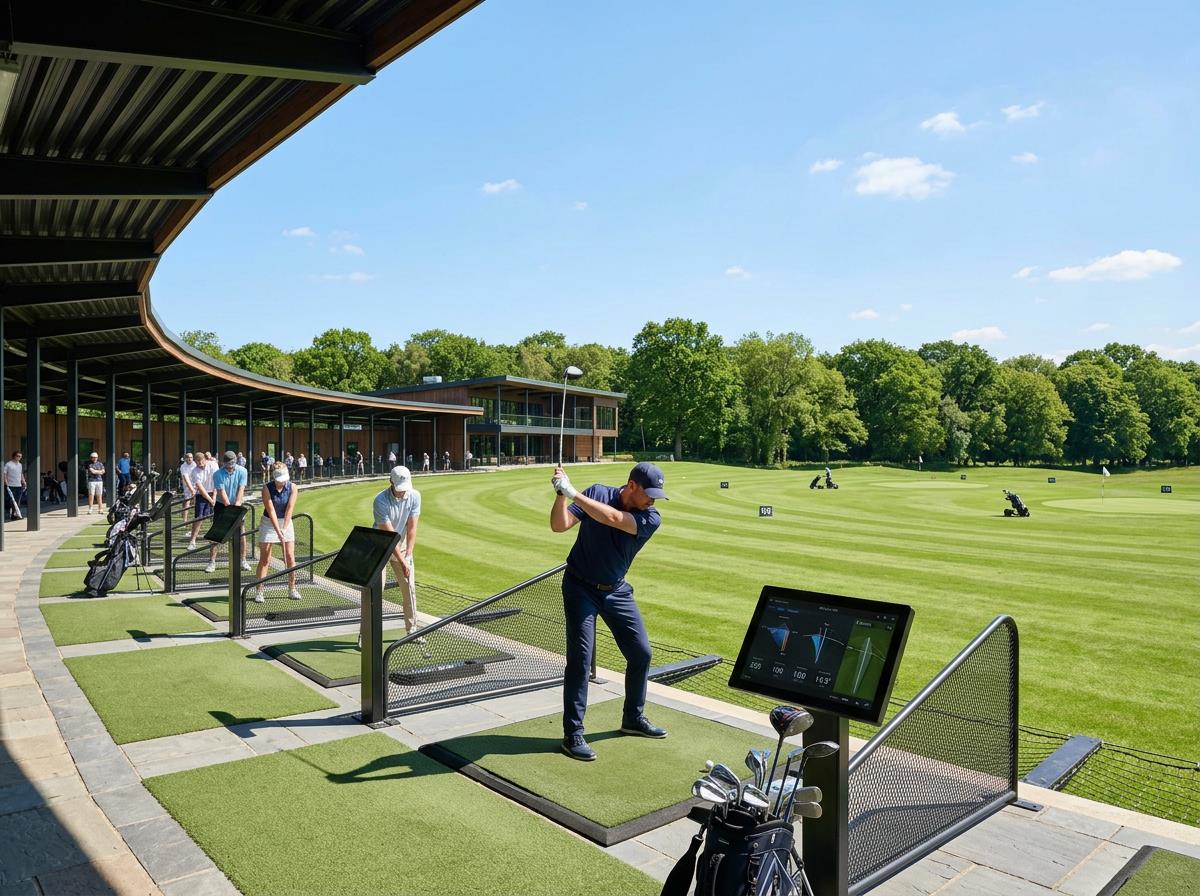
A state-of-the-art driving range is usually a centerpiece, offering ample space to work on full swings. Many modern ranges, including those at facilities like Plum Creek, incorporate advanced ball-tracking technology. This technology provides instant feedback on swing speed, ball flight, carry distance, and spin rates, allowing players to dial in their clubs and make precise adjustments before heading to the first tee. This data-driven approach can be invaluable for understanding your yardages and improving consistency.
Beyond the driving range, dedicated practice putting greens mimic the contours and speed of the greens on the course, allowing players to get a feel for the roll and break. Short game areas, complete with bunkers and chipping greens, provide opportunities to practice crucial shots from within 100 yards—shots that often make the biggest difference on the scorecard. Utilizing these facilities for a thorough warm-up routine, focusing on stretching, gradual club progression, and specific shot practice, can significantly improve your performance and confidence during the round.
Course Etiquette and Pace of Play Protocols
Playing a round on any golf course, especially a championship layout, comes with an unspoken agreement to uphold certain standards of etiquette and maintain a reasonable pace of play. These protocols are essential for ensuring an enjoyable experience for everyone on the course.
“Ready golf” is a widely adopted principle that encourages players to hit their shot when they are ready and it is safe to do so, rather than strictly adhering to traditional honors. This simple concept can significantly speed up play. Keeping up with the group in front of you is paramount; if a gap starts to form, it’s often an indicator that your group needs to pick up the pace. Marshals are frequently on duty at championship courses to monitor play and provide gentle reminders if a group is falling behind. Their guidance is there to help maintain the flow of play, not to criticize.
Beyond shot-making, proper course maintenance is a shared responsibility. Repairing divots on fairways and replacing ball marks on greens are fundamental courtesies that preserve the course’s condition for those who follow. Raking bunkers after use, ensuring footprints and club marks are smoothed over, also contributes to the overall quality of the playing surface. Adhering to these simple yet crucial guidelines demonstrates respect for the course, your fellow golfers, and the game itself.
Tactical Course Management for Difficult Layouts
Playing a championship course demands more than just physical skill; it requires astute tactical course management. The design elements that make these courses challenging also offer opportunities for strategic thinking, rewarding players who can analyze risks, identify optimal lines, and execute their game plan under pressure.
Every hole on a championship course presents a unique puzzle. Successful navigation often hinges on understanding the risk-reward dynamic of each shot. For instance, attempting to carry a large water hazard might save a stroke if successful, but a mis-hit could lead to a penalty and a lost ball. A more conservative approach, laying up short of the hazard, might add a stroke to that hole but significantly reduces the chance of a major setback.
Fairway positioning is another critical aspect. Simply hitting the ball straight is often not enough. Strategic players aim for specific landing zones in the fairway that provide the best angle of approach to the green, avoiding hazards and opening up the putting surface. This might mean hitting a shorter club off the tee to land in a wider part of the fairway, or shaping a shot to bypass a dogleg. Understanding how wind management affects ball flight is also crucial, especially on expansive courses where conditions can change rapidly. Playing into or across the wind requires adjustments in club selection and aim, turning a seemingly straightforward shot into a complex calculation.

Navigating Natural Hazards and Fairway Bunkers
Championship courses are replete with natural hazards and strategically placed fairway bunkers, each designed to test a golfer’s resolve and precision. Successfully navigating these obstacles is key to posting a good score.
Cross hazards, such as creeks or ravines that cut across the fairway, often demand a full carry or a precise lay-up. Understanding your carry distances for different clubs is vital here. Lateral water hazards, running alongside fairways, penalize hooks or slices and often encourage a more conservative line of play away from the danger. Waste areas, common on courses that embrace natural landscapes like Plum Creek, can be expansive and require careful club selection to escape cleanly, often prioritizing getting the ball back into play over attempting a heroic shot.
For every hazard, there are often “bail-out zones”—safer areas where a less aggressive shot can be played to avoid significant penalty. Identifying these zones during your pre-shot routine can save strokes. Club selection becomes paramount; sometimes, a 3-wood or even a hybrid off the tee is a smarter play than a driver if it means avoiding a tight landing area or a cluster of bunkers. The goal is not always to hit the longest shot, but the smartest shot, minimizing risk while still advancing the ball effectively.
Approach Shot Strategy and Complex Green Complexes
The true test of a championship course often comes down to the approach shot and the subsequent putting on complex green complexes. These greens are rarely flat and simple; they are designed with undulations, false fronts, and multi-tier surfaces that demand precise distance control and keen reading skills.
An undulating green features subtle or dramatic slopes that can make two-putting a challenge, even from short distances. False fronts, where the front portion of the green slopes sharply away, will repel under-hit shots back into chipping areas or bunkers, punishing a lack of commitment. Multi-tier greens have distinct levels, requiring accurate approach shots to land on the correct tier to avoid long, difficult putts up or down slopes.
Pin placements, which change daily, add another layer of complexity. A pin tucked behind a bunker or close to a false front will demand a higher degree of precision. Understanding the green’s contours and the day’s pin position allows golfers to develop an optimal approach shot strategy. This might involve aiming for the fat part of the green, even if it means a longer putt, or taking an aggressive line if the risk-reward favors it. Mastering distance control, especially with wedges and short irons, is critical for landing the ball in the right spot and setting up manageable putts. Reading the break and speed of these complex greens is an art form that improves with experience and careful observation during the round.
Amenities and Post-Round Clubhouse Experiences
The experience of playing a championship golf course extends well beyond the 18th green. The amenities and post-round clubhouse experiences are integral to the overall enjoyment, providing a space for relaxation, reflection, and camaraderie. These facilities are designed to complement the quality of the course itself, offering comfort and convenience to both residents and visitors.
A well-appointed golf pro shop is typically the first point of contact for many golfers, offering a wide selection of apparel, equipment, and accessories from leading brands. Beyond retail, these shops often provide services like custom club fitting, ensuring that players have equipment perfectly tailored to their swing. Locker room amenities, including showers and changing facilities, allow golfers to freshen up after their round.
The clubhouse itself often serves as a hub for social activity and events. Many championship courses, including Plum Creek, feature venues for weddings, corporate events, and other special occasions, leveraging their scenic backdrops and professional hospitality services. The atmosphere is usually one of refined comfort, designed to encourage relaxation and discussion of the day’s triumphs and challenges on the course.
 Dining and Social Venues
After a challenging round, the opportunity to unwind and refuel is a welcome part of the golf experience. Championship clubhouses typically feature a range of dining and social venues designed to cater to various preferences.
Grill rooms offer a casual yet sophisticated setting for a quick bite or a more substantial meal, often with views of the course. Patio dining is a popular option, especially in pleasant weather, providing an al fresco experience overlooking the 18th hole or other picturesque parts of the property. These spaces are perfect for post-round debriefing, where golfers can recount their best shots, lament their misses, and share stories with their playing partners.
Beverage service is readily available, from refreshing soft drinks to a selection of alcoholic beverages, allowing players to toast a good round or commiserate over a tough one. The emphasis is on creating a convivial atmosphere where the golf experience can be extended and enjoyed in a relaxed setting, fostering a sense of community among members and guests.
Equipment and Retail Services
The retail and equipment services at a championship golf course are designed to enhance a golfer’s game and overall experience. The pro shop is often a treasure trove of the latest golf technology and fashion.
Here, golfers can find a comprehensive apparel selection, featuring performance wear, stylish polos, and outer layers from top brands. Beyond clothing, a wide array of golf accessories, from gloves and hats to balls and rangefinders, are available. For those looking to optimize their game, custom club fitting services are often offered. Expert fitters use launch monitors and other diagnostic tools to analyze a player’s swing and recommend clubs that perfectly match their specifications, leading to improved performance and consistency.
Rental equipment, including clubs and carts, is also typically available for those who are traveling or new to the game. This ensures that everyone has access to quality gear, making the course accessible to a broader audience. These services underscore the commitment of championship facilities to providing a complete and high-quality golf experience, supporting players both on and off the course.
Frequently Asked Questions About Championship Golf Courses
When considering a round at a championship golf course, many questions can arise regarding regulations, handicap requirements, and general course access. We’ve compiled some common queries to help clarify what to expect.
What defines a championship golf course?
A championship golf course is typically defined by a combination of factors that distinguish it from a standard course. Foremost among these are its significant yardage minimums, often exceeding 7,000 yards from the back tees, designed to challenge elite players. These courses are built to tournament specifications, meaning they are capable of hosting professional or high-level amateur competitions.
They generally feature a par of 71 or 72, with a balanced distribution of par-3s, par-4s, and par-5s, each crafted to demand a variety of shots. The design complexity is another key aspect, incorporating strategic hazards, undulating greens, and thoughtful routing that tests every facet of a golfer’s game. The overall objective is to provide a comprehensive and rigorous test of skill, strategy, and mental fortitude.
How far in advance should players book tee times?
The recommended booking window for tee times at a championship golf course can vary significantly based on the course’s popularity, location, and the time of year. For prime weekend slots, especially during peak season, it is often advisable to book several weeks, if not months, in advance. Many courses open their booking sheets 30, 60, or even 90 days out.
Weekday accessibility is generally more flexible, though popular morning and late afternoon times can still fill up quickly. It’s always best to check the specific course’s policy, as some may offer online booking with instant confirmation, while others might require a phone call. Understanding the cancellation policies is also important, as many courses have strict rules regarding changes or cancellations within a certain timeframe to avoid charges. For a course like Plum Creek, which is a popular destination, planning ahead is always a good strategy.
Can higher-handicap golfers enjoy championship layouts?
Absolutely. While championship layouts are designed to challenge the best players, they are also structured to be enjoyable for higher-handicap golfers, thanks to the thoughtful inclusion of multiple tee box options. As discussed earlier, courses typically offer five or more sets of tees.
Higher-handicap players should utilize the forward tees (often Red or Green) which significantly reduce the overall length of the course. This allows them to reach greens in a reasonable number of strokes, avoiding the frustration of constantly hitting long irons or woods into greens. The key is to select a set of tees that matches your comfortable carry distances and allows you to play the course as it was designed, albeit from a shorter perspective.
It’s also an excellent opportunity to focus on strategic adjustments. Higher-handicappers can prioritize accuracy over distance, aim for safe bail-out zones, and learn to manage the course’s hazards rather than trying to overpower them. Playing a championship course from the appropriate tees can be a fantastic learning experience, offering a taste of premier golf architecture without being overwhelmed by excessive length.
Conclusion
Our journey through championship golf courses, with Plum Creek in Austin/Kyle, TX, as our guiding example, reveals that these are more than just manicured landscapes; they are meticulously crafted arenas designed to test, inspire, and reward. From the strategic demands of isolated fairways and natural topography to the thoughtful provision of multiple tee boxes, every element is geared towards creating a memorable and challenging experience for golfers of all levels.
Reflecting on a round played on such a course, we appreciate not only the beauty of the surroundings but also the intricate dance between shot execution and strategic decision-making. The amenities, from advanced practice facilities to welcoming clubhouse dining, complete the picture, fostering a sense of community and providing the perfect backdrop for post-round camaraderie.
The traditions of golf, including etiquette and pace of play, are upheld with respect, ensuring that the integrity of the game and the condition of the course are preserved for all. As we continue our ongoing skill progression, the lessons learned and the challenges overcome on a championship course serve as invaluable benchmarks. Whether we’re seeking to hone our game or simply enjoy the immersive beauty of a premier layout, these courses offer an unparalleled golfing adventure, promising a unique blend of challenge and satisfaction with every swing.