From Acts to Ecosystems
Not a single performance or playlist distinguishes a good party from a narrative attendees tell for years. How each entertainment aspect fits into an ecosystem. Imagine your event as a metropolis with vitality, intimacy, surprise, and spectacle districts. Pathways are as important as monuments in each performance neighborhood.
Creating this ecosystem begins with guest journey mapping. Visitors’ origins and feelings at the door. Gather first where. They require a spark when. Entertainment should welcome, lead, and change with the crowd. A living experience that adjusts and gains momentum is the goal.
Designing the Energy Arc
Every celebration has a pulse. Design it deliberately. Use a clear energy arc that moves through specific beats.
- Arrival and orientation. Gentle, inviting impressions. Ambient performers, soft lighting, and low-volume sound that allows conversation. Confidence grows as the room fills.
- Social lift. Add interactive touchpoints that nudge guests into participation. A roving performer or a micro-stage helps the first laugh ripple across the space.
- Peak. Hit the moment when most attendees are present and comfortable. This is where your headline act belongs. The room should feel unified and electric.
- Glide path. After the peak, avoid a hard drop. Offer a secondary feature or curated lounge moment to keep people satisfied while giving them a reason to linger.
- Last impression. End on purpose. A final musical reprise, a thematic exit vignette, or a collective toast closes the loop and stamps the memory.
Plot these beats on a run of show with time codes and cues. Professional teams follow the arc like a score, adjusting tempo when the crowd runs hot or needs a breather.
Casting With Intent
Great entertainment requires teamwork. Choose performers based on chemistry, contrast, and audience preferences. A high-energy centerpiece with private interludes lets attendees refresh without losing interest. Diversity and inclusion are goals. A lineup mirrors the room, which reacts.
Vetting is not optional. Review unedited footage, read the technical rider, and check how performers handle unexpected moments. Ask about off-mic presence and audience boundaries. The best pros are as skilled at the edges of a show as they are at the center of it.
Technical Foundations That Keep Magic Invisible
When the tech is right, it vanishes. When it is wrong, everyone notices. Anchor your experience with fundamentals.
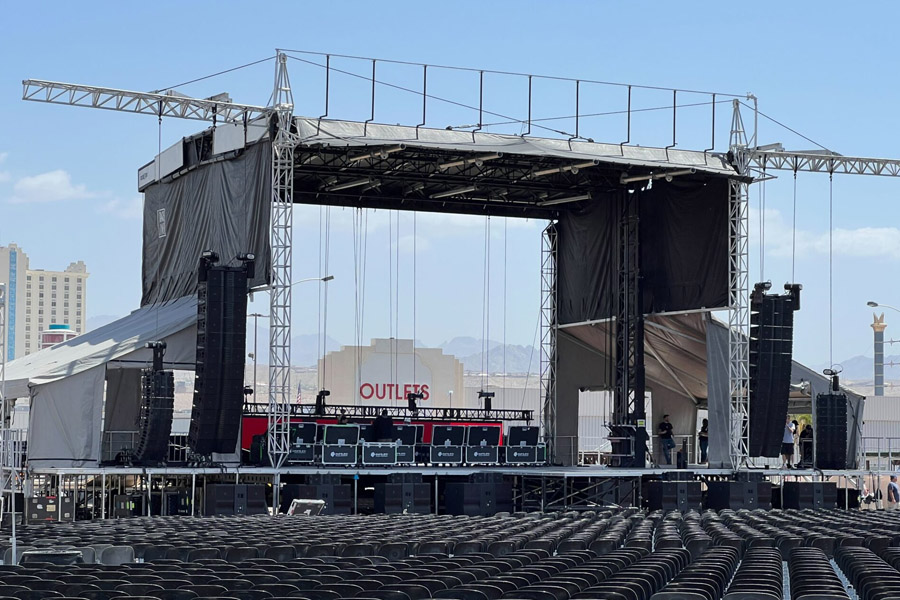
Sound coverage should match your floor plan, not headcount. Zone control lets social areas breathe and the stage shine. Create a mood and sightline lighting layout and test it at the event. Daylight and mirrors deceive. Plan, label, and secure power distribution. Tripped breaker kills sets.
A cue-to-cue rehearsal is your insurance policy. Finalize a show file, call sheet, and cue stack. Assign a show caller who coordinates sound, light, stage management, and talent on a single comms channel. Smooth transitions are the difference between a stitched show and a seamless one.
Risk, Safety, and Respect
Create wonder, not hazards. Confirm venue occupancy, emergency routes, and local permits. Acts that use flame, aerial rigging, or special effects require certified operators and documented safety plans. Verify insurance and align on incident protocols.
Just as important is emotional safety. Set clear content guidelines. Obtain consent before any onstage participation. Make expectations about photos and social posting visible. Accessibility is a baseline, not a bonus. Provide ramps where needed, reserve sightlines for wheelchair users, and offer quiet zones if the event runs loud or intense.
Interactive Layers That Invite Participation
People remember moments they helped create. Seed the room with interactive layers that invite play without pressure.
Small acts go far. A performer accepting live requests by QR code voting makes the playlist community. A magician who uses visitor names to disclose makes the room feel watched. One hour of roaming artists with brief, meaningful contacts may warm a venue’s corners.
Create photo and video scenes designed for shareability, but keep them authentic. A living backdrop, a short choreographed crowd moment, or a themed game corner can energize social sharing without overshadowing the live experience.
Personalization and Live Adaptation
Invitation personalization goes beyond a monogram. This is how the performance senses the room. Divide guests by interests and comfort, then create multiple paths. A quiet lounge may hold close-up sets while the main floor heats up. Well-timed and zoned family-friendly parts may coexist alongside late-night material.
For live adaption, use basic techniques. Setlist-guiding polls. A tablet for the show caller to monitor crowds and pivots. Embrace serendipity with optional fork emcee scripts. When the performer recognizes the audience live, a party becomes a one-night premiere.
Effects On Any Budget
Spectacle scales. You do not need a stadium rig to craft a cinematic feel.
Lean budgets? Focus on texture and contrast. Thoughtful washes, practical lighting, and timed haze bursts may add depth to pictures and dance floor excitement. Mid-tier setups can add intelligent fixtures, kinetic elements, or a tiny projection scene to a blank wall for storytelling. Immersive mapping, synchronized lighting, and fragrance or surround audio are possible with larger budgets. No matter your budget, adjust effects to your desired emotion, not the catalog.
Measuring Impact Without Killing the Vibe
Measurement keeps your intuition honest. Track indicators that map to the guest journey.
Keep track of dwell times in critical zones and room engagement during peaks. Keep track of dance floor usage and applause/sing-alongs. While memories are fresh, write brief post-event prompts. If your event enables it, check-in scan or beacon ping heat maps can indicate how attendees moved. Social media shows what attendees remembered. Test these signals against your arc to improve your next run.
Working With Professionals The Smart Way
Pros bring calm to the storm. Set the relationship up for success with clarity.
Contracts should include lengths, breaks, tech requirements, arrival times, content limits, and termination. Riders aren’t diva requests. Operational specifications provide consistent performance. Hydrate, provide a secluded green room, and assign a decision-maker. Prepare for talent delays and gear problems. Fast payment and thoughtful debriefing. Time makes a trusted roster your hidden engine.
FAQ
How early should entertainment be booked?
Plan three to six months ahead for top talent and difficult productions. Peak-season specialty acts and niche performers can book earlier. Locking talent early provides you greater fit and more room to create the energy arc around them. Smaller local teams may be available in four to eight weeks.
What size stage and power do small venues need?
A 12 by 8-foot stage with safe access works for compact bands and variety performers. A dedicated 20 amp circuit for audio and another for lighting reduces noise and flicker in sound and lighting systems. Always check the performer’s technical rider, distribute electricity to avoid overloads, and shield cable runs from foot traffic.
How do I balance all-ages and adult entertainment?
Zoning and timing. Schedule family-friendly programming during peak mingling hours and adult-oriented content later in a defined place. Clear communication aids. Post basic signs and have the emcee set expectations. The event seems friendly without losing edge when the flow respects diverse comfort levels.
What is a show caller and do I need one?
A show caller directs the live timeline, cues tech and talent, and keeps the plan synchronized when something shifts. If your event includes multiple acts, lighting looks, or transitions that must land on time, a show caller is invaluable. Small gatherings can rely on an emcee with a tight run sheet, but once complexity rises, a caller protects the guest experience.
How can I keep costs controlled without dulling the experience?
Prioritize impact per dollar. Choose one or two nightly highlights and support them with ambient performers, chosen tunes, and flexible lighting. Choose versatile performers. Reduce delivery and labor by consolidating rental providers. Most essential, plan a clean show run to save time and provide the audience value.
How do I make entertainment accessible to guests with disabilities?
Plan accessibility beforehand. Ensure step-free access to stages and viewing areas, reserve excellent sightlines, and offer seating near the action. Provide a quiet space and manage volume. Consider captioning or aided listening for spoken content. Inform performers about inclusive engagement so everyone may participate without pressure. Designing for accessibility makes events more pleasant and compassionate.