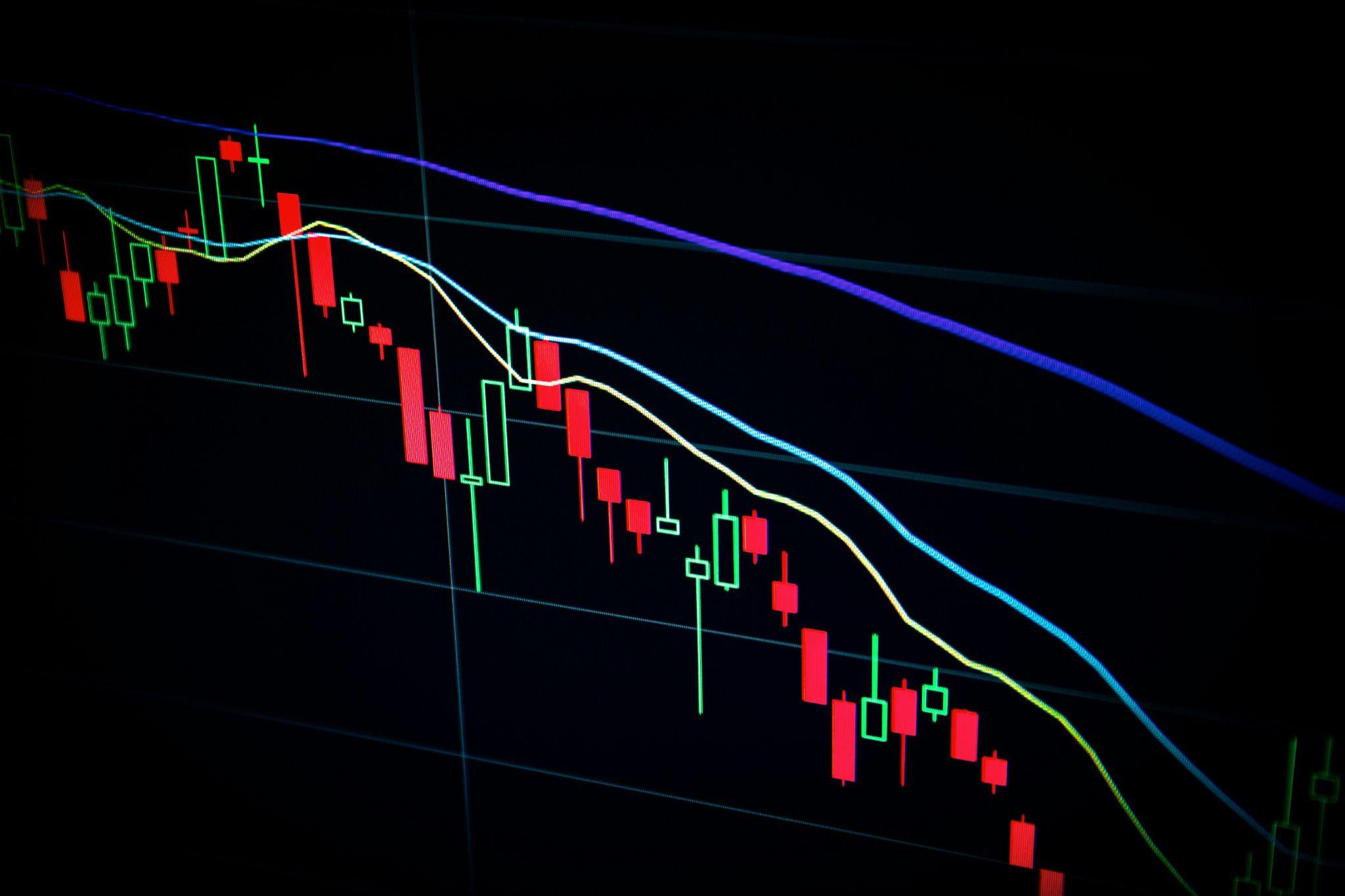
Buying a stock takes seconds. Deciding whether that stock deserves your money should take considerably longer. A familiar company name, an exciting product, or a rapidly rising share price can attract attention, but none of those things alone tells you whether the business represents a sensible investment.
Stock research does not require predicting exactly where a share price will go next. The objective is to understand what you would actually own, how the company makes money, whether its financial position supports the story surrounding it, and what could cause your assumptions to be wrong. A structured process also makes it easier to compare opportunities instead of making decisions based primarily on excitement.
Understand the Business Before Looking at the Share Price
Start with the company rather than its stock chart. You should be able to explain in straightforward language what the business sells, who pays for it, where most of its revenue comes from, and why customers choose it instead of competitors. If those questions are difficult to answer, you probably do not understand the investment well enough yet.
Once that foundation is clear, the numbers have more meaning. This is where a platform such as Vector Vest can become part of the research process by bringing stock analysis and market information into a structured environment. Instead of allowing one attractive statistic to dominate the decision, investors can use analytical information alongside their understanding of the underlying company.
Pay particular attention to how the business could change. A company may currently be successful but depend heavily on one product, customer, geographic market, or source of revenue. Understanding those dependencies helps reveal risks that may not be obvious from the company name or recent share-price performance.
Read the Financial Story Behind the Company
Revenue is an obvious starting point, but increasing sales do not automatically mean a business is becoming stronger. Look at several years where possible and examine how revenue, profits, margins, debt, and cash flow are developing together.
A company whose sales are increasing while profits continually deteriorate deserves a closer look. There may be a reasonable explanation, such as heavy investment in expansion, but you should understand that explanation before investing. Similarly, rapidly increasing profits can look impressive until you discover they came from a one-time event rather than improvements in the core business.
Cash flow deserves particular attention because accounting profit and actual cash generation are not identical. A company ultimately needs enough financial flexibility to operate, invest, manage obligations, and survive difficult periods.
Debt should also be viewed in context. Borrowing is not automatically a sign of a weak company, but the amount and cost of that debt matter. Ask whether the business appears capable of servicing its obligations if revenue declines or economic conditions become less favorable.
Rather than searching for one perfect number, look for a coherent financial story. Strong research connects the numbers instead of treating each metric as an isolated score.
Decide Whether a Good Company Is Also a Sensible Investment

One of the most important distinctions in stock research is the difference between a good business and a good investment at the current price.
A company can have excellent products, loyal customers, strong management, and impressive growth while its stock is priced so aggressively that investors already expect years of exceptional performance. Conversely, an apparently inexpensive stock is not automatically attractive if the underlying business is deteriorating.
Valuation metrics can help provide context. Price-to-earnings ratios and other measures can be compared with the company’s own history, relevant competitors, expected growth, and the characteristics of its industry. No single valuation ratio works equally well for every business, so understanding what you are comparing is essential.
Expectations matter because stock prices reflect what investors believe may happen in the future. If extremely strong growth is already expected, merely delivering good results may not be enough to justify the existing valuation.
Ask what would have to happen over the next several years for today’s price to make sense. That question forces you to think beyond whether you simply like the company.
Search Deliberately for Reasons Not to Invest
Once people become excited about a stock, research can quietly turn into confirmation. They read optimistic forecasts, focus on positive earnings results, and interpret ambiguous information in a way that supports buying.
Reverse the process deliberately. Try to build the strongest argument against the investment.
What could reduce demand? Is competition becoming stronger? Could regulation affect the business? Does the company depend heavily on one important customer or supplier? Is debt creating vulnerability? Could technological change make an important product less relevant? Has management repeatedly failed to deliver what it promised?
Industry conditions matter too. A strong company can still encounter problems when its entire sector experiences falling demand or major structural changes.
Management deserves examination beyond polished presentations. Compare previous statements with subsequent results. If executives repeatedly establish targets and miss them, that history should influence how much confidence you place in new projections.
This exercise does not mean finding enough negatives to talk yourself out of every investment. Every company has risks. The purpose is to understand which risks you are accepting before your own money is exposed to them.
Write Down Why You Would Buy Before You Actually Buy
Before placing an order, summarize the investment case in a few paragraphs. Explain why the company interests you, what you believe could drive its future performance, which risks concern you, and what developments would make you reconsider your original reasoning.
This creates a useful record because memories change after money becomes involved. If the stock rises, it is easy to believe you always knew it would succeed. If it falls, it is equally easy to invent new reasons for holding it that were never part of the original decision.
Decide what information you will continue monitoring as well. Owning a stock does not require watching its price every few minutes. Quarterly results, meaningful company announcements, major changes in the competitive environment, and developments affecting your original investment thesis are generally more useful than reacting emotionally to every ordinary market movement.
Finally, consider the investment in relation to everything else you own. Even a well-researched company can create unnecessary risk if too much of your portfolio depends on it or on several businesses exposed to the same conditions.
Research cannot eliminate uncertainty. A company can appear financially healthy and still encounter an unexpected problem, while markets can move differently from what careful analysis suggested. The purpose of research is not to create certainty where none exists.
It is to know exactly why you are putting your money at risk.
Understand the business, examine its finances, consider the valuation, actively search for weaknesses, and write down the reasoning before buying. That process may occasionally lead you to conclude that the most useful result of researching a stock is deciding not to own it.