Packing is easy when the forecast promises the same conditions every day. It becomes much harder when a cool morning might turn into a warm afternoon, followed by wind, rain, and a surprisingly cold evening. Suddenly, packing for one trip can feel like preparing for several seasons.
The solution is not filling a suitcase with an outfit for every possible temperature. It is choosing clothes that can work together. A flexible wardrobe built around layers, practical footwear, and a few compact accessories gives you far more options without forcing you to carry significantly more luggage.
Build Everything Around Layers
When temperatures can change dramatically during a single day, one heavy outfit is much less useful than several lighter pieces that can be added or removed.
Start with comfortable base pieces such as T-shirts, lightweight long-sleeve tops, or shirts that work perfectly well on their own. Add one or two mid-layers that provide genuine warmth without occupying half the suitcase.
Traditional knitwear can be particularly useful here because a good sweater can function as both a practical layer and part of an ordinary outfit. Collections from Aran offer classic knitwear that can be worn over a lighter base when temperatures fall and combined with a coat or weather-resistant jacket when conditions become colder.
The important test is whether your layers actually work together. A beautiful sweater is less useful if none of your jackets comfortably fit over it. Try complete combinations before packing rather than discovering the problem while traveling.
Pack One Outer Layer That Handles the Worst Weather
Your outer layer should solve problems that the rest of your clothing cannot.
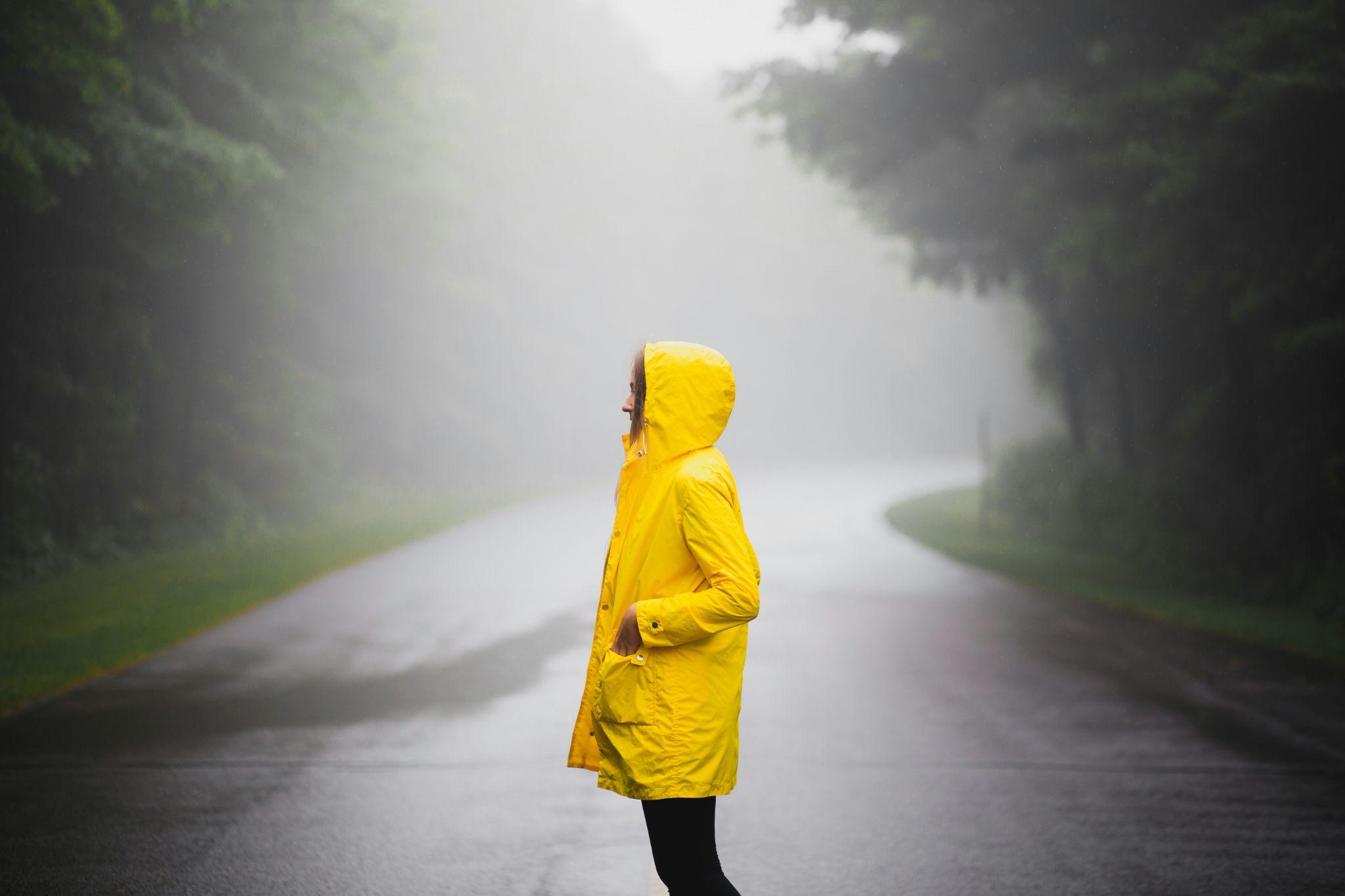
If sudden rain is likely, prioritize water resistance and a hood. If strong wind is the bigger concern, choose something that provides adequate protection without becoming unnecessarily heavy. For cooler destinations, make sure there is enough room underneath for your chosen sweater or other insulating layer.
A jacket that packs reasonably small is particularly useful because there will probably be parts of the day when you are carrying rather than wearing it. Layering works best for unpredictable conditions precisely because individual pieces can be added and removed as temperatures change.
Avoid packing several coats for slightly different situations unless the trip genuinely requires them. One adaptable outer layer combined with different pieces underneath usually provides more flexibility while consuming considerably less luggage space.
Choose Shoes for the Worst Part of the Day
A sudden temperature change can usually be solved by adding a sweater. Wet, uncomfortable feet are much harder to fix when you are several hours away from your accommodation.
That makes footwear one of the areas where practicality should win.
For trips involving significant walking, bring shoes comfortable enough to wear for an entire day. If rain is likely, consider how the material and sole will perform on wet streets rather than judging the shoes entirely by appearance.
Ideally, the main pair should also work with most of the clothes you packed. Shoes occupy too much luggage space to bring several pairs that each coordinate with only one outfit.
An additional lighter or slightly dressier pair can be worthwhile depending on the trip, but avoid packing footwear for hypothetical occasions that are unlikely to happen.
Make Every Bottom Work With Several Tops
Unpredictable weather is already creating enough variables. Your clothes should not add more.
Jeans, trousers, skirts, or other bottoms should coordinate with several of the tops and layers in the suitcase. This allows you to respond to temperature changes without having to maintain completely separate warm-weather and cold-weather wardrobes.
Neutral colors make this easier, although neutral does not have to mean exclusively black or beige. Navy, olive, brown, gray, denim, cream, and other relatively adaptable shades can create plenty of combinations.
Think in outfits before packing each item. If a pair of trousers works with only one top and one particular pair of shoes, it may not deserve the luggage space.
The strongest travel wardrobe behaves almost like a small capsule collection. Changing one layer should create another usable combination rather than requiring the entire outfit to be rebuilt.
Small Accessories Can Handle Surprisingly Large Changes
Some of the most useful items for variable weather are also the smallest.
A scarf can provide extra warmth during a cold morning and disappear into a bag once the temperature rises. A compact umbrella can rescue an afternoon without requiring you to spend the entire trip carrying a substantial raincoat. Sunglasses remain worthwhile even when rain appears in the forecast because rapidly changing conditions can include plenty of bright periods too.
A lightweight hat can provide either warmth or sun protection depending on the destination, while an extra pair of socks takes very little room and becomes extremely valuable after unexpected rain.
These pieces work because they address specific problems without requiring an entirely different outfit. Packing guidance for changeable climates similarly emphasizes compact accessories and adaptable layers rather than multiple bulky alternatives.
Keep the items you are most likely to need during the day somewhere accessible rather than buried at the bottom of your main luggage.
Your Day Bag Becomes Part of the Clothing System
Layering only works if you have somewhere to put the layers you remove.
A practical day bag should therefore have enough space for a sweater, scarf, compact umbrella, or lightweight jacket without becoming uncomfortable to carry for hours. This is particularly important when traveling between outdoor conditions and museums, restaurants, trains, shops, and other indoor environments.
Do not fill the bag completely before leaving your accommodation. Empty space has value when the afternoon becomes warmer and two layers suddenly need somewhere to go.
A reusable water bottle, portable charger, sunglasses, and a small waterproof pouch can also be useful additions depending on the day’s plans.
The objective is not to carry an emergency kit everywhere. It is simply to make weather adjustments easy enough that you do not remain uncomfortably hot or cold because changing what you are wearing has become inconvenient.
Pack for Combinations, Not Individual Forecasts
The biggest mistake when facing unpredictable weather is packing one outfit for sunshine, another for rain, another for cold weather, and several more for everything in between.
Instead, think about combinations.
A T-shirt might work alone during the warmest afternoon. Add a sweater and it becomes suitable for a cooler evening. Put a protective jacket over both and the same basic outfit can handle wind or rain. That three-layer approach is commonly used precisely because it allows travelers to adapt without packing completely separate wardrobes for each condition.
Before closing the suitcase, check whether almost every major item works with at least two or three others. Remove pieces that require highly specific conditions or combinations unless you know you will need them.
Unpredictable weather does not require predicting every possible outcome. It requires giving yourself enough flexibility to respond when conditions change. A few compatible layers, dependable shoes, one protective outer layer, and compact accessories can handle an impressive range of situations, and leave considerably more room in your suitcase than packing for four seasons separately.