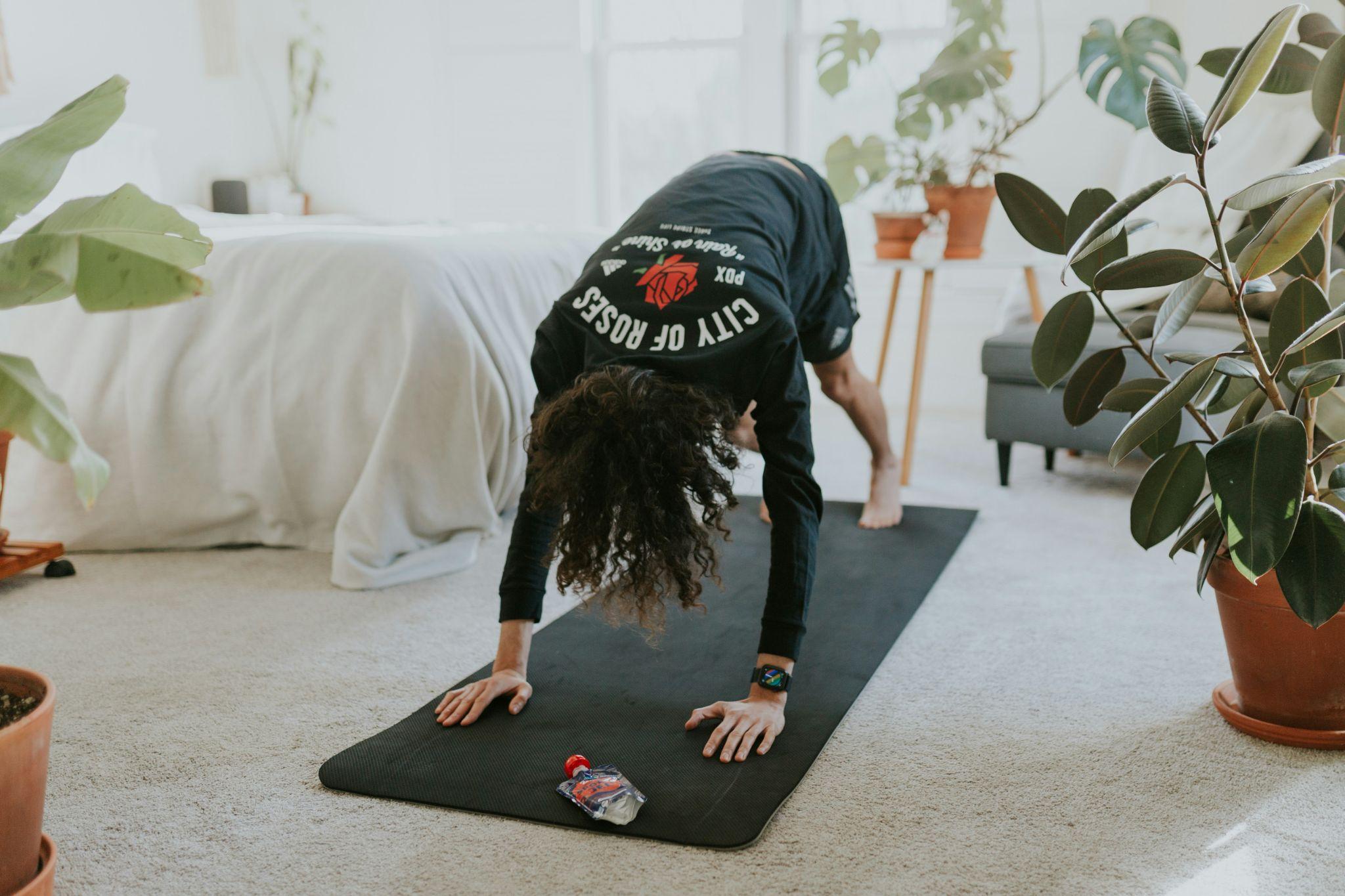
At-home wellness can quickly become more complicated than relaxing. What starts as an intention to sleep better, move more, or create a calmer evening can turn into a long checklist involving specialized products, elaborate routines, tracking apps, and rules that are difficult to maintain.
A useful wellness routine should reduce friction rather than create another source of pressure. It does not need to occupy hours of the day or involve copying everything that happens to be popular online. The most sustainable approach is usually to concentrate on a few basic areas that genuinely affect how you feel and build a routine that works around your existing schedule.
Start With the Basics Before Adding Anything Specialized
Before experimenting with complicated wellness practices, look at the foundations of your normal day. Sleep, regular meals, physical activity, hydration, time away from work, and opportunities to relax may sound less exciting than the latest wellness trend, but they provide a much more practical starting point.
This is particularly important when wellness conversations become highly technical. Online discussions increasingly include specialized terminology involving compounds, laboratory research, and emerging areas of biological investigation. Companies such as Polar Peptides operate within the research peptide space, illustrating how specialized some of these subjects can become. Scientific research and an ordinary home wellness routine, however, are very different things. Something being discussed in a technical or research context does not automatically make it a necessary addition to everyday life.
For those who study these compounds, obtaining them from a reliable source is a primary concern. Academic and laboratory settings require materials that meet strict purity standards to ensure that experimental results are accurate. Specialized suppliers like Peptide Labs supply these compounds for laboratory study. These products are strictly for research. Understanding this distinction helps keep the focus of home wellness on simple, everyday habits rather than complex laboratory subjects.
Begin by identifying one area that would make the greatest practical difference. If mornings consistently feel chaotic because bedtime is unpredictable, start with the evening routine. If sitting for most of the day leaves you feeling restless, create opportunities for movement. Solving a specific problem is more useful than accumulating wellness practices without knowing what they are supposed to improve.
Create Routines Around Moments That Already Exist
New habits are easier to maintain when they attach to something you already do. Instead of designing an entirely new morning schedule, add one small action to your current routine. Stretch after getting out of bed, drink water with breakfast, or take a short walk after lunch.
The same approach works in the evening. You already brush your teeth, wash your face, change clothes, and prepare for bed. Those ordinary activities can become the structure around which a calmer nighttime routine develops.
This removes one of the biggest problems with ambitious wellness plans: they often require people to find entirely new blocks of time. A 45-minute morning routine sounds manageable when written in a planner, but it becomes much less appealing when it requires waking 45 minutes earlier every day.
Small routines also provide flexibility. Missing one five-minute activity does not make the entire day feel unsuccessful. You can simply return to it at the next opportunity. The aim is consistency over time, not maintaining a perfect sequence every morning and evening.
Make Personal Care a Pause, Not Another Project

Personal care can be one of the easiest ways to create a deliberate break at home, but it can also become unnecessarily elaborate. Bathrooms fill with partially used products, skincare routines acquire more and more steps, and something that was supposed to feel relaxing starts resembling another list of tasks.
Simplification can make these routines more enjoyable. Keep the products you actually use easily accessible and move occasional items elsewhere. A shower, bath, or straightforward skincare routine can provide a natural transition between parts of the day without requiring an extensive collection of products.
Traditional products can work particularly well within a deliberately simple approach. A company such as Oshun centers its offering around goat milk soap and related personal-care products, demonstrating how an everyday activity such as washing or bathing can become part of a broader self-care routine without requiring a complicated process.
The key is choosing personal-care habits because you enjoy them or find them useful, rather than because an online routine suggests that ten separate steps are necessary.
Give Different Parts of Your Home Different Purposes
Wellness becomes more difficult when every activity happens in the same place. If the bed is simultaneously an office, dining area, entertainment center, and sleeping space, there is little environmental distinction between working and resting.
You do not need a large home to create boundaries. Even small changes can establish different purposes within the same room. Work at a desk rather than in bed. Keep exercise equipment in one designated corner. Use a particular chair for reading. Put work materials away when the working day ends rather than leaving them visible throughout the evening.
Digital boundaries can be equally helpful. Notifications allow work, news, social media, and other people’s demands to enter almost any moment of the day. Establishing periods when the phone stays away from the dinner table, bathroom, or bed can create genuine breaks without requiring a complete digital detox.
Think of the home environment as supporting the routine rather than depending entirely on discipline. When the book is already beside the chair and the phone charger is outside the bedroom, the desired behavior requires less effort.
Build a Routine You Can Maintain on an Ordinary Tuesday
The best test of an at-home wellness routine is not whether it works on a quiet Sunday when you have plenty of free time. Ask whether it still makes sense on a normal weekday when work runs late, the house needs attention, and motivation is low.
If the routine collapses whenever life becomes busy, simplify it. Perhaps the 30-minute workout becomes a ten-minute walk. A lengthy evening ritual might become a shower, five minutes of preparation for tomorrow, and 20 minutes without a screen before bed.
It can also help to distinguish between daily habits and occasional extras. Some activities are easy enough to repeat every day, while longer workouts, extended baths, meal preparation, or other forms of self-care may work better several times a week. Everything does not need to happen every day to be worthwhile.
Most importantly, avoid constantly adding new steps. Give a simple routine enough time to become normal before deciding whether anything is missing.
At-home wellness does not need to resemble a retreat, a laboratory, or an influencer’s carefully arranged morning. It can be much more ordinary: regular movement, a comfortable personal-care routine, clearer boundaries around work and screens, and enough time to slow down before sleep.
When wellness practices integrate naturally into everyday life, maintaining them requires far less effort. The goal is not to build the most impressive routine possible. It is to create one simple enough that you still want to follow it when life is completely ordinary.