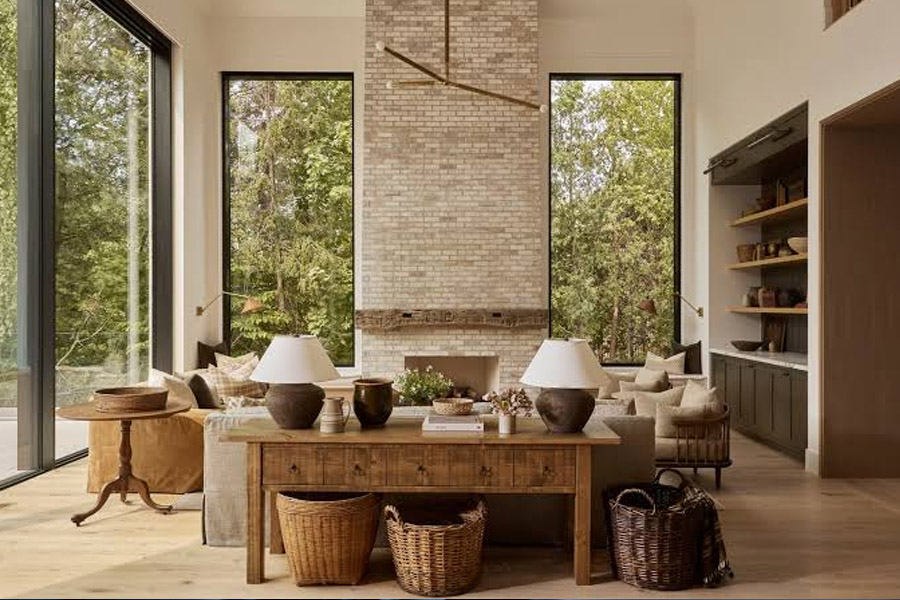
A cozy and composed home should give you the impression that it truly relates to its inhabitants. It can have books you love, family treasures, art, handy baskets, and hints of your daily life without being visually overwhelming. The end result isn’t an impeccably designed room. Rather, it is one that is cozy, familiar, and functional.
Start by working with what you already own, then add only what strengthens the feeling you want. A few well-chosen pieces of affordable home decor can help fill a practical need or add character, but a collected look rarely comes from buying everything at once. It develops through editing, arranging, and giving meaningful objects room to matter.
Why Collected Homes Work
Rooms that are filled with collected objects are inviting because they help to merge comfort and personality. One favorite chair, a photograph in a frame, a piece of pottery that’s used every day, and a nice lamp can make a living room more homey than another room full of unused decorative items. What makes the difference between collected and crowded is a purpose. Each piece in a collected room is there to provide beauty, memories, comfort, and utility. In contrast, crowded objects must try to overpower each other.
Start With A Clear Feeling
Select three adjectives that describe your room before you move things around or purchase anything. These might be words like calm, warm, functional, relaxed, bright, rustic, or grounding. Write them down and use them to determine whether a product works well in the space or not. If a potential purchase does not support at least one of these attributes, it probably does not belong there.
Choose A Simple Color Plan
Designing an interior space can be made easier by utilizing a basic color scheme. A single core color family, a secondary supporting hue, and a third minor accent color could be used. For instance, one can use ivory white and a wood color scheme as the primary color, sage green for support, and rust as the accent color. The color can also be repeated in a piece of art, room accessories, ceramics, or books to make everything easy to relate to.
Mix Old And New Pieces
New furniture can fit in nicely alongside old furniture that’s been traded or inherited. Mixing things up gives a person a chance to inject some personality into the scene, especially if there is something common among the pieces, such as color, use of material, or shapes. For example, a modern lamp can easily go on a rustic side table, or an elaborate mirror can be put above a plain couch.
Layer Textures With Purpose
To create depth in a room, texture can be utilized without adding many other colors or accessories. Among the combinations of both hard and soft textures, one can use a pair of linen drapes and a woven carpet, along with furniture made of wood or ceramic vases and lamps made of metal. Designers usually have some methods to create an effect of contrast by combining not only rough and smooth finishing but also by remaining harmonious at the same time. Start with one texture which has a substantial size, such as an upholstered chair or a rug—it can be the basis for further building layers of texture.
Create Visual Rest
The concept of open space is applied in the design process. An unfurnished wall section, a shelf free from clutter, or a table that is not loaded with stuff can draw attention to the item in question. You should try to achieve a balance between decorated fabrics and complicated items and less decorated surfaces. To test this approach, you should, for instance, remove one object from a heavily loaded place and check if it looks better.
Style Shelves And Surfaces
Make interesting arrangements of objects on shelves by using tactics such as varying heights, shapes, textures, and empty space. Start by placing more significant items at first, like books stacked upon each other, some framed pictures, baskets, and a great bowl. It is important to add smaller pieces only when they help balance out the arrangement. While using odd numbers of pieces can help in organizing various items on shelves, it is not mandatory. If you want to create empty spaces around important things, then it is better to avoid overcrowding the shelves.
Make Small Spaces Feel Balanced
Small rooms profit from fewer, but more effective pieces of furniture. Use wall-mounted storage systems, thin consoles, baskets, and furniture with hidden compartments to have your essentials close without cluttering your space. The question of easy access through the room is as important as interior design. Mirrors and light-colored finishes can help you make a small room look less overloaded visually, but the biggest effect will depend on the maximum removal of the useless things.
Common Decorating Mistakes
- Purchasing furniture without the right measurements in place.
- Putting too many objects in the room when one piece would suffice.
- Selecting an item just because it is on trend.
- Not paying attention to the change of color and texture through light and lamp rays.
- Matching every color of wood, finish, and fabric one-to-one.
- Holding onto items that have lost its usefulness and significance.
A Simple Room Refresh Plan
Rework a room over a weekend by removing any visible messes, moving around large pieces of furniture to improve the space’s flow, and then selecting a limited color palette and materials. Then, bring back only elements that enhance the room’s function, resting, entertaining, working, or eating. End with a personal touch, like a piece of family art, a treasure from afar, or something you’ve made. Let the room users try out the layout for a few days before setting out to shop. Minor tweaks tend to produce a more permanent and interesting design than a single big purchase.
Final Thoughts
A good home does not require great expense, perfection or adornments. What it demands is comfort, functionality, texture, and significance. The room should acquire a comfortable, functional, and personalized vibe by employing only essential items.