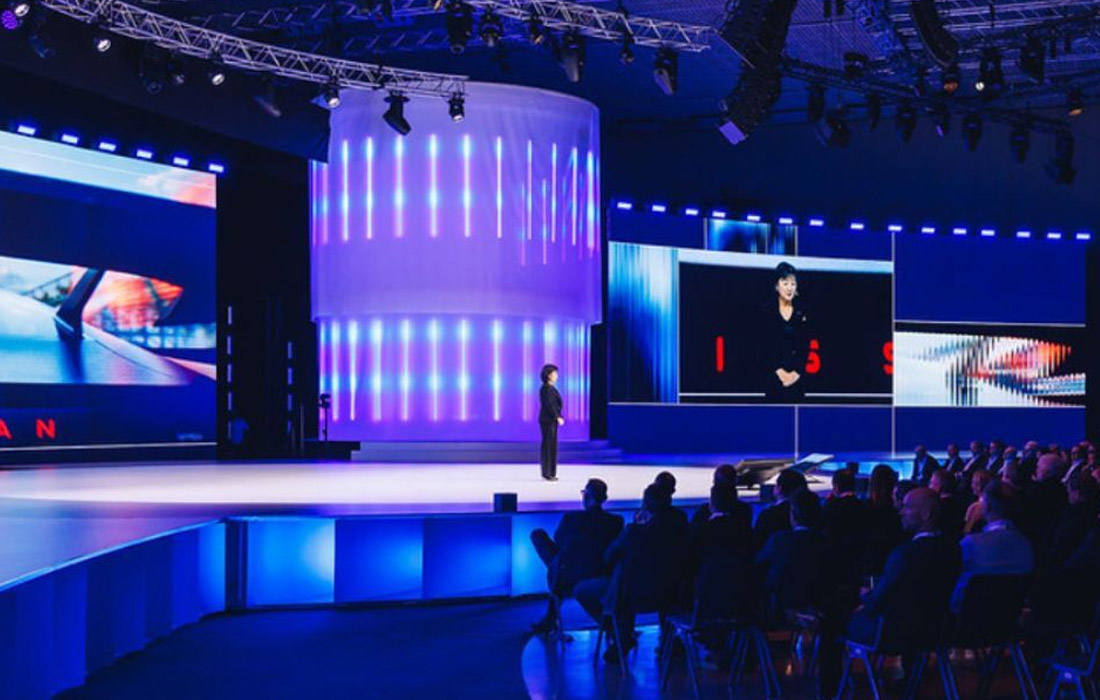
A successful event depends on more than a good venue, an impressive speaker, or a packed agenda. The technical production behind the event can shape how attendees experience every moment. From crystal-clear audio to dynamic visuals and reliable livestreaming, the right production partner keeps the event engaging and professional. An experienced av company can manage the technical details while event organizers focus on the audience, messaging, and overall experience.
Why AV Production Matters More Than You Think
Think about the last corporate event you attended.
Could you hear every speaker clearly?
Could you see the presentation from the back of the room?
Did videos play without delays?
Did the lighting make the stage look professional?
Did remote attendees feel included?
These details can seem small. They are not.
Poor AV can distract people from the message. Good AV makes the technology almost invisible.
When the sound is clear, people stay focused. When presentations transition smoothly, the event feels organized. When lighting supports the stage design, the entire room feels more polished.
Professional AV production brings these pieces together.
It covers the equipment. It also covers the people operating it.
That second part matters.
A room can have excellent equipment and still experience technical problems if nobody knows how to configure, operate, and troubleshoot it properly.
What Does Event AV Production Include?
AV production can involve several technical disciplines. Each one supports a different part of the attendee experience.
1. Audio
Audio is one of the most important parts of any event.
If attendees cannot hear the speaker, the message is lost.
Professional event audio can include:
- Wireless microphones
- Wired microphones
- Speakers
- Mixers
- Amplifiers
- Audio processors
- Monitoring systems
- Stage microphones
The setup should match the venue.
A small meeting room does not need the same sound system as a 2,000-person conference. Room dimensions, audience size, stage placement, speaker positions, and acoustics all influence the design.
The goal is consistent, understandable sound throughout the room.
That means someone sitting near the stage should have a similar listening experience to someone sitting in the back.
2. Video and Visuals
Modern events rely heavily on visual communication.
Presentations need to be visible. Videos need to play correctly. Speakers need to appear on screens. Product demonstrations need to look sharp.
Professional AV teams can use equipment such as:
- Professional cameras
- Video switchers
- Projectors
- LED walls
- Confidence monitors
- Presentation displays
- Video playback systems
LED walls have become particularly useful for large corporate events. They can display presentations, branding, videos, speaker close-ups, and graphics.
Visual technology also gives event planners more creative freedom.
Instead of relying on a static backdrop, organizers can create a dynamic environment that changes throughout the program.
A keynote can have one visual treatment.
A product launch can have another.
A panel discussion can use a completely different layout.
The technology supports the story.
3. Event Lighting
Lighting does more than make a stage visible.
It creates atmosphere.
A keynote presentation may need clean, bright lighting focused on the speaker. A product launch may require dramatic colors and movement. A networking reception may benefit from softer ambient lighting.
Professional event production can incorporate:
- Stage lighting
- Moving lights
- Accent lighting
- Ambient lighting
- Architectural lighting
- Special effects
Lighting can reinforce your brand and change how attendees perceive a space.
A plain conference room can feel completely different after the right lighting design is installed.
4. Staging
The stage is often the visual center of a corporate event.
It needs to look intentional.
Stage design can include platforms, backdrops, LED walls, trussing, scenic elements, lecterns, and other structures.
The design should also support the event program.
Speakers need enough room to move.
Cameras need clear sightlines.
Screens need to be visible.
Lighting equipment needs appropriate placement.
Technical equipment needs to be safely positioned.
A strong production team considers these details during the planning stage rather than trying to solve them minutes before the event begins.
Hybrid Events Need a Different Approach
Corporate events are no longer limited to people sitting inside one venue.
Many organizations now have remote attendees.
That creates a new challenge.
A hybrid event has two audiences: the people in the room and the people watching remotely.
Both groups need a quality experience.
A remote attendee should be able to hear the speaker clearly. They should see the presentation. They should understand what is happening on stage. They may also need access to Q&A sessions, breakout rooms, or interactive elements.
That requires more than putting a camera at the back of the room.
A professional hybrid production may involve multiple cameras, video switching, livestream encoding, remote presentation feeds, dedicated audio mixes, and online interaction.
Catalyst describes its hybrid and virtual capabilities as including livestreaming, interactive technology, virtual conferencing, and broadcast-quality production.
Why Multi-Camera Production Makes a Difference
A single camera can show the stage.
Multiple cameras can tell the story.
One camera might capture the keynote speaker.
Another can show the audience.
A third can focus on presentation content.
A fourth might capture a panel discussion.
A video director can then switch between these views during the broadcast.
The result feels more like a professional production and less like a basic video call.
Camera direction also helps remote viewers stay engaged.
Imagine watching a 45-minute presentation where the camera never changes.
Now imagine seeing the speaker, presentation graphics, audience reactions, demonstrations, and other relevant visuals.
The second experience feels much more dynamic.
Technical Planning Should Start Early
One of the biggest mistakes event organizers make is waiting too long to involve the AV team.
Technical requirements should be considered during the planning stage.
The venue matters.
The room layout matters.
The number of attendees matters.
The agenda matters.
The presentation format matters.
The type of event matters.
A large conference with several breakout rooms requires a very different production plan from a small executive meeting.
Catalyst recommends booking large conferences and general sessions roughly three to six months in advance, while sales kick-offs, product launches, and hybrid events may be planned around two to four months ahead. Smaller events can sometimes be arranged within a few weeks.
Early planning gives the production team time to identify potential problems.
That can include limited power availability, poor sightlines, insufficient rigging points, difficult room acoustics, limited internet connectivity, or complicated stage layouts.
The earlier these issues are identified, the easier they are to solve.
What Happens When Something Goes Wrong?
Even the best-planned event can experience an unexpected problem.
A microphone can fail.
A presentation computer can freeze.
A video file can have the wrong format.
A camera can lose signal.
A presenter can change slides at the last minute.
The internet connection can become unstable.
The difference is how quickly the problem gets resolved.
Professional AV technicians prepare for these situations.
Backup equipment can reduce downtime. Experienced operators can identify problems quickly. Clear communication between crew members can prevent one small issue from becoming a larger disruption.
Catalyst states that its technicians manage crew responsibilities, scheduling, stage logistics, and onsite troubleshooting, including equipment failures and last-minute changes.
AV Should Support the Event’s Goals
Technology should never be added simply because it looks impressive.
Every technical decision should have a purpose.
Ask a few simple questions:
What should attendees see?
What should they hear?
What should they remember?
What action should they take after the event?
A product launch may prioritize dramatic visuals.
A sales kick-off may focus on energy and team engagement.
A town hall may prioritize communication and clarity.
A training event may require multiple rooms and presentation systems.
A livestream may prioritize broadcast-quality video and reliable remote participation.
The production approach should change according to the objective.
Choosing the Right Production Partner
Not every AV provider offers the same level of support.
Some companies primarily provide equipment.
Others provide a complete production service.
For a complex event, the second option can simplify the process.
A full-service production partner can help with planning, design, equipment, setup, operation, troubleshooting, and teardown.
Catalyst describes its model as covering the production process from initial concept through equipment teardown and post-production. Its teams handle audio, video, lighting, streaming, staging, and technical direction.
That creates one central point of contact.
It also creates more accountability.
Instead of coordinating several vendors for different technical requirements, an event organizer can work with one production team.
The Best AV Production Is Often the Production You Don’t Notice
The best event technology does not compete with the speaker.
It does not distract from the presentation.
It does not create unnecessary delays.
It simply works.
Attendees hear the speaker.
They see the content.
They follow the presentation.
Remote viewers stay connected.
Transitions happen smoothly.
The production team solves problems before most people know they exist.
That is what professional AV production should accomplish.
The technology supports the experience without becoming the experience.
Final Thoughts
A corporate event is an investment of time, money, and reputation. The production quality should reflect that investment. Clear audio, strong visuals, thoughtful lighting, reliable staging, and professional technical support can turn an ordinary event into a memorable experience. Whether you’re organizing a conference, sales kick-off, trade show, town hall, product launch, livestream, or hybrid event, professional production can help every part of the program work together. When you are ready to build a polished and reliable event experience, working with an experienced av company can give your team the technical expertise needed to bring the entire production together.