Key Takeaways
- Humidity, pollen, storms, and quick temperature changes can all increase strain on North Carolina HVAC equipment.
- Filter care, clear vents, and outdoor-unit housekeeping support stronger airflow and more consistent comfort.
- Seasonal maintenance can uncover drainage, electrical, airflow, and safety concerns before peak heating or cooling weather.
- Watching indoor humidity is especially important during warm, damp months.
- Scheduling service before the busiest seasons gives homeowners more time to address problems without rushing.
North Carolina weather puts a lot of strain on home comfort systems. A humid summer day in Winston-Salem can make an air conditioner remove substantial moisture as well as heat, while a surprise cold snap later in the year can quickly shift attention back to heating performance. Homes throughout the Piedmont Triad, including Advance, Kernersville, High Point, Lewisville, and Mocksville, also contend with spring pollen, windblown debris, and changing outdoor conditions.
For homeowners looking for local maintenance guidance, HVAC contractor North Carolina resource information from Aspire Heating & Cooling can be a useful starting point. Aspire Heating & Cooling is a veteran-owned company based in Winston-Salem that serves nearby Triad communities with heating, cooling, and maintenance support. Its maintenance page explains the value of seasonal inspections that review airflow, drain lines, electrical components, refrigerant operation, safety controls, and overall system readiness.
Why North Carolina Weather Can Be Hard on HVAC Equipment
High humidity makes cooling equipment work harder because the system must lower the indoor temperature and remove water vapor from the air. When airflow is restricted or a system has a drainage issue, a home may feel clammy even when the thermostat appears normal. Spring and fall can be demanding, too. A homeowner may use cooling during a warm afternoon, then need heat within a few days after a cold front arrives. Those repeated transitions can reveal problems that stayed hidden during milder weather.
A Simple Seasonal HVAC Plan for 2026
- Late winter:Check filter condition, thermostat response, heating performance, and carbon monoxide detector batteries.
- Early spring:Clear leaves and pollen around the outdoor unit, check for drainage issues, and prepare the system for cooling.
- Early summer:Confirm that rooms cool evenly, airflow feels strong, and indoor humidity remains comfortable before prolonged heat arrives.
- Early fall:Test heating before colder nights return, listen for unusual sounds, and address odors or frequent cycling promptly.
Homeowner Tasks That Support Better Airflow
Most homeowners can handle a few simple tasks safely. Replace or clean the air filter according to the equipment manufacturer’s instructions. Keep furniture, curtains, rugs, and storage boxes away from supply registers and return grilles. Outside, remove grass clippings, leaves, mulch, and loose debris from around the condenser to allow air to circulate.
Pay attention to changes in normal operation. New rattling, buzzing, grinding, squealing, weak airflow, or a thermostat that does not respond consistently should not be ignored. Avoid opening electrical panels, adding refrigerant, or attempting deep coil cleaning without appropriate training.
How to Manage Humidity Inside a North Carolina Home
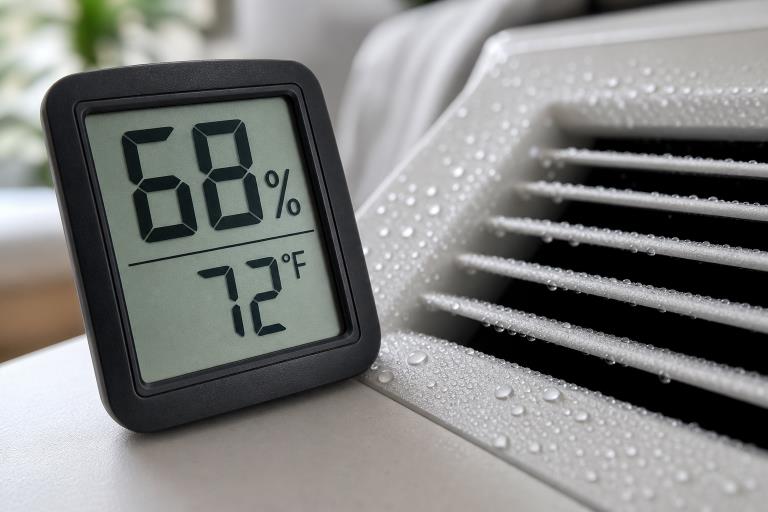
A basic hygrometer can help identify whether moisture may be contributing to discomfort. A home can feel damp at a comfortable temperature when moisture levels are high, particularly after rainy weather. Bathroom exhaust fans, kitchen ventilation, crawl-space moisture, duct leaks, and a clogged condensate drain can all add to the problem. North Carolina’s indoor air quality guidance recommends controlling moisture and keeping relative humidity below 60 percent to help reduce conditions that support mold growth.
If humidity remains high despite normal cooling, it may be worth discussing equipment sizing, system runtime, duct leakage, ventilation, or whole-home dehumidification with a qualified professional. Running the thermostat fan continuously can circulate air, but it may also return moisture to the home on some systems. “Auto” is often the better default unless a technician recommends otherwise for the specific equipment.
Why Filters and Drain Lines Deserve More Attention
A dirty filter can reduce airflow, make the system run longer, and contribute to uneven temperatures. Check it regularly, especially in homes with pets, construction dust, allergies, or frequent system use. Condensate drains deserve equal attention. During cooling, moisture removed from indoor air must drain away properly. Algae and buildup can clog the line, potentially causing water leaks, ceiling damage, or a safety switch to shut down.
If water is pooling near indoor equipment, dripping from a ceiling, or collecting in an emergency pan, turn the system off if safe to do so and request service. A drain problem is usually easier to address before water affects surrounding materials.
When a Professional HVAC Inspection Makes Sense
- The system runs for long periods, but rooms remain warm, cold, or damp.
- Some rooms are consistently uncomfortable compared with the rest of the home.
- The outdoor unit freezes, leaks, makes startup noises, or struggles to run.
- Energy bills rise without an obvious change in household habits.
- A furnace has unusual odors, weak heat, or repeated short cycles.
- The equipment is older or has missed recent heating and cooling inspections.
What a Seasonal HVAC Check Should Cover
A thorough inspection should evaluate airflow and temperature performance, thermostat operation, blower performance, condensate pans and drains, electrical connections, capacitors, contactors, and cooling operation. For gas heating equipment, the review should also include burners, ignition, the heat exchanger, safety controls, and carbon monoxide concerns. Ductwork condition and room-to-room airflow can be important when comfort varies throughout the house.
How to Choose an HVAC Professional in North Carolina
- Confirm that the company is properly licensed and insured.
- Ask for clear findings and written recommendations before authorizing repairs.
- Request pricing and an explanation of what is included.
- Ask whether the inspection follows manufacturer guidance for the equipment.
- Choose a provider familiar with the weather, home styles, and moisture challenges in your region.
Energy-Saving Steps That Do Not Require New Equipment
Use steady thermostat settings instead of large, frequent adjustments. Seal obvious gaps around doors and windows, close blinds during hot summer afternoons, and keep return vents open and unobstructed. If a room remains uncomfortable, ask about insulation, duct leakage, or airflow balancing before assuming the entire system needs replacement.
What North Carolina Homeowners Should Know About 2026 Rebates
Eligible households may be eligible for state energy-efficiency incentives for qualified upgrades. Before buying a heat pump, adding insulation, or planning air-sealing work, review current income requirements, equipment rules, contractor requirements, and application steps in the Energy Saver NC program details. Rebates and eligibility can change, so verify program terms before making a final purchase decision.
Common Questions From North Carolina Homeowners
How Often Should an HVAC System Be Checked?
Many households schedule a cooling check before summer and a heating check before winter. Older equipment, pets, air-quality concerns, heavy use, and manufacturer instructions may justify a different schedule.
Is It Safe to Clean an Outdoor HVAC Unit?
Homeowners can remove visible debris from the surrounding area. Disconnect power before working near the unit, and leave coil cleaning, wiring, and internal repairs to a qualified technician.
Final Checklist for a More Comfortable Year
- Inspect or replace the filter.
- Check indoor humidity and look for standing water.
- Clear debris around the outdoor unit.
- Listen for unfamiliar operating sounds.
- Note uneven room temperatures.
- Schedule seasonal service before peak demand.
- Keep maintenance and repair records together.
Regular attention to airflow, moisture control, drainage, and seasonal performance can help North Carolina homeowners catch smaller HVAC concerns before changing weather turns them into urgent comfort problems.