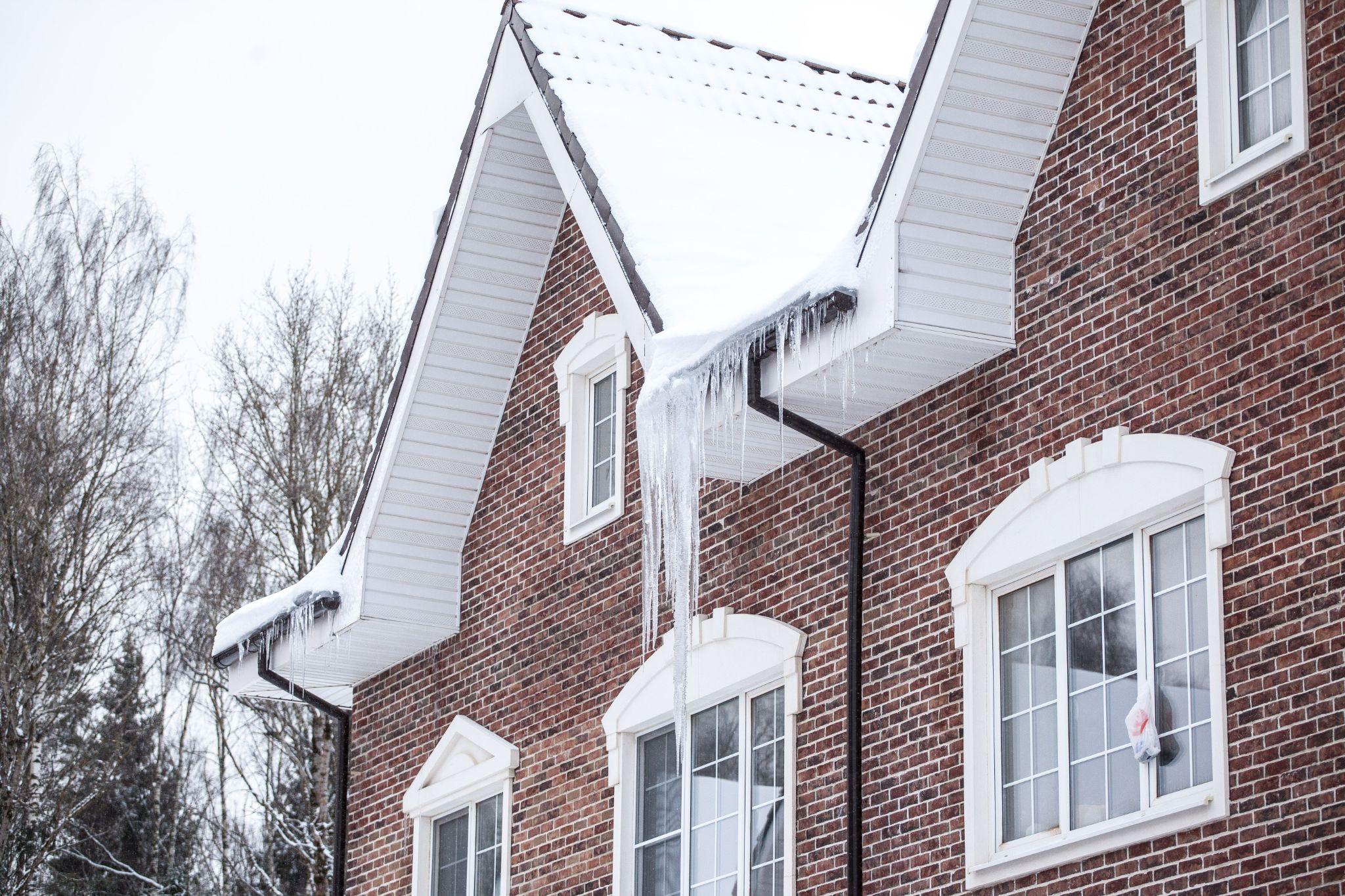
Denver winters are hard on roofs because temperatures do not stay consistently cold. Snow can melt during a sunny afternoon, move into small gaps around shingles or flashing, and freeze again after temperatures drop. For homeowners evaluating Denver roofing, that repeated movement matters because water expands as it freezes and can gradually widen defects that were too small to leak before. Professional roofing services in Denver should look for the places where water is entering, collecting, and refreezing rather than treating every winter problem as simple shingle wear.
Small Openings Can Become Larger After Repeated Freezing
Freeze-thaw damage usually begins with an existing weakness. A cracked shingle, exposed fastener, aging sealant joint, or slightly separated flashing edge may let in only a small amount of moisture at first. On Denver roofing systems, that water can freeze inside the opening, expand, then melt and move deeper when temperatures rise again. Repeating the cycle can enlarge the gap and loosen nearby materials. Homeowners should pay extra attention to older repair areas, cracked sealant, and shingles that already have lifted edges because those locations give meltwater an easier path below the surface.
Roof Valleys and Eaves Take More Winter Stress
Valleys and eaves handle some of the highest concentrations of snowmelt. Valleys collect runoff from two roof slopes, while eaves are where water leaves the roof and temperatures can change quickly between sun and shade. For Denver roofing homes, debris or damaged materials in these areas can slow drainage long enough for water to refreeze. Look for ice that repeatedly forms in the same location, shingles that stay wet longer than nearby sections, or staining along valley lines. If the pattern returns after several snowfalls, the drainage path, valley flashing, and roof edge details should be inspected together instead of simply removing the ice.
Flashing Can Fail Before the Main Shingle Field
Flashing around chimneys, walls, vents, and roof transitions is especially vulnerable because metal, shingles, masonry, and sealants expand and contract at different rates. A small separation may stay dry during ordinary rain but leak when snowmelt sits against the area for hours. On Denver roofing systems, recurring attic moisture near a wall, chimney, or plumbing vent during thawing weather is a strong reason to inspect the flashing detail. Adding more sealant may temporarily hide the symptom, but if the metal has shifted or the original installation is weak, the better repair is to rebuild the transition so water is directed away correctly.
Sunlight Can Speed Up the Freeze-Thaw Cycle
Denver’s winter sun can warm a roof surface even when outdoor air remains cold. Snow may melt on sun-exposed sections during the day and refreeze once the roof moves back into shade or temperatures fall at night. This is one reason Denver roofing can experience repeated freeze-thaw movement without a long warm spell. South- and west-facing slopes may go through more daily temperature changes than shaded sections, while north-facing areas can hold snow and ice longer. Denver roofing inspections should compare slopes rather than assuming the entire roof is experiencing the same conditions.
Attic Heat Can Create Uneven Snowmelt
Not all roof snow melts because of sunshine. Warm air escaping into the attic can heat the underside of the roof deck and melt snow from below. If soffit intake is blocked, insulation is uneven, or warm indoor air leaks through ceiling penetrations, one part of the roof may melt faster than another. For Denver roofing homeowners, repeated bare patches surrounded by snow can be a clue that attic heat is reaching the roof unevenly. That does not automatically mean the roof is damaged, but it is worth checking insulation coverage, air sealing, and ventilation before the pattern contributes to recurring ice at the roof edge.
Older Shingles Have Less Flexibility to Handle Temperature Swings
Asphalt shingles become less flexible after years of sun, hail, and normal weathering. When temperatures rise and fall repeatedly, brittle shingles are more likely to crack, curl, or lose their seal than newer materials. For Denver roofing, this means a roof that survived previous winters may begin showing problems once the shingles have aged enough that they can no longer move as easily. Look for cracked corners, curled tabs, exposed fiberglass, and sections that do not lie flat. If those signs appear across several slopes, another round of patching may preserve less useful roof life than it would on a roof with otherwise healthy shingles.
Previous Repairs Deserve a Winter Check
Repairs can remain dependable for years, but patched areas deserve extra attention because they combine materials of different ages and may rely on sealants or replacement shingles installed around older roofing. On Denver roofing systems, check whether previous repair areas are lifting, cracking, or showing new staining in the attic below. A repair that repeatedly fails during snowmelt usually points to a larger issue such as damaged flashing, weak surrounding shingles, or moisture traveling from farther upslope. Keeping photos and repair records helps determine whether one area is stable or becoming a recurring winter problem.
Spring Is the Best Time to See What Winter Changed
Once snow has cleared, homeowners can compare the roof with its pre-winter condition. A useful Denver roofing inspection should focus on new changes: lifted shingles, cracked sealant, damaged flashing, fresh attic stains, and wear in valleys or roof edges. Dated photos from fall can make this comparison much easier. If a defect appeared over winter, ask whether it is isolated and repairable or whether similar deterioration is showing up elsewhere. That approach is more useful than scheduling a generic inspection that only notes the roof’s age.
Know When Freeze-Thaw Damage Has Moved Beyond a Small Repair
Localized damage can often be repaired when surrounding shingles are flexible, the roof deck remains dry, and flashing problems are limited to one area. Denver roofing repair becomes less practical when multiple valleys leak, several flashing details are failing, shingles are brittle across different slopes, or moisture has damaged decking. At that point, each patch may solve one symptom while leaving the overall system vulnerable to the next winter cycle. Homeowners should ask how much healthy material remains around the repair and how much dependable life the work is expected to preserve.
Prepare the Roof Before the Next Freeze
Freeze-thaw damage is usually gradual, which is why it can become expensive before homeowners realize what is happening. Denver roofing homeowners can reduce that risk by repairing cracked shingles and flashing before winter, keeping valleys and roof edges clear, checking previous repair areas, and correcting attic heat or moisture problems that create uneven snowmelt.
The strongest Denver roofing plan is to focus on where water can enter, remain, and freeze. If those weak points are identified early, targeted repairs may preserve years of roof life. If Denver roofing problems are appearing across several components at once, a broader assessment can show whether continued repair still makes financial sense before another winter adds more damage. For older homes, tracking Denver roofing condition from fall through spring can also make it easier to tell whether winter wear is stable or getting worse.