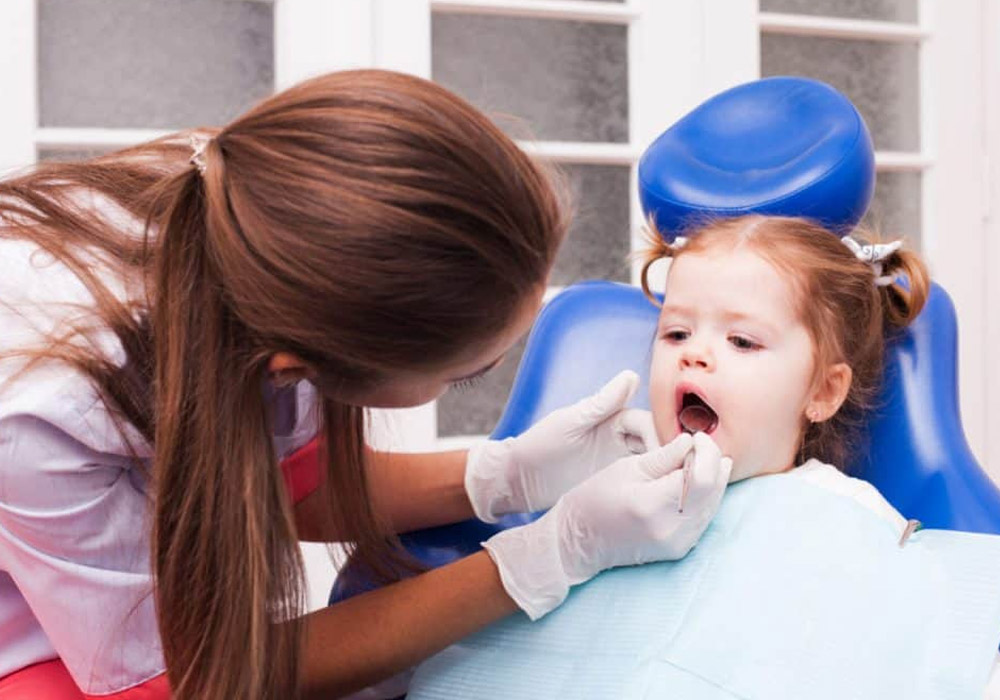
If you haven’t been to the dentist in a while, you might still remember what dental visits felt like when you were younger.
The sound of the drill, the uncomfortable impression trays and that nervous feeling while waiting for your appointment. Some of those experiences can stay with you for years.
But dental care has changed quite a bit since then.
Today, many dental clinics use quieter equipment, digital scans instead of traditional impression trays for certain procedures, and technology that helps make treatments more comfortable.
Dentists also place more emphasis on explaining what’s happening, discussing your options and making sure you feel comfortable asking questions.
If your last dental visit was years ago, you may find that the experience is quite different from what you remember.
The Noise Has Changed
For many people, the sound of a dental drill is one of the things they remember most about visiting the dentist as a child.
That high-pitched noise can still make patients nervous, even before treatment begins.
While traditional dental drills are still used, newer technology has made some procedures quieter and more comfortable.
For example, laser dentistry can be used for certain treatments, including some small cavities and gum reshaping. Depending on the procedure, lasers may reduce the noise and vibration patients usually associate with dental drills.
Another option is air abrasion, which uses a fine stream of particles to remove small areas of decay without a traditional rotating drill.
However, these methods aren’t suitable for every patient or procedure. Larger cavities, crowns and other restorative treatments may still require conventional dental instruments.
Modern dental handpieces have also improved, with designs that can reduce vibration and make treatment feel smoother.
The dental drill hasn’t disappeared, but patients today may have more treatment options than they remember.
If the sound of dental equipment makes you anxious, it’s worth mentioning this to your dentist before your appointment. They can explain which instruments they’ll be using and discuss ways to help you feel more comfortable.
Impressions Are (Mostly) Digital Now
If you’ve ever had a crown, bridge or orthodontic treatment, you might remember having a tray filled with thick impression material placed over your teeth.
You had to hold it in your mouth for several minutes while the material set. For anyone with a sensitive gag reflex, this could be particularly uncomfortable.
Today, many dental clinics use digital scanners instead of traditional impression trays.
A dentist moves a small handheld scanner around your teeth, capturing detailed images that create a 3D model on a computer screen.
There’s no messy impression material, and the process is generally more comfortable, especially for patients who struggle with traditional impressions.
Digital scans can also provide accurate measurements for crowns, bridges and other dental restorations, helping dentists plan how the final restoration should fit.
Some practices have taken this a step further. With CEREC technology, suitable crowns can be designed and made at the dental clinic during a single appointment.
After preparing your tooth, the dentist takes a digital scan and uses it to design your crown. A milling machine then creates the restoration, which can be fitted during the same visit.
A dentist Kelowna practice like Discover Dental uses this system, which means fewer appointments and no temporary that might loosen between visits.
X-Rays Use a Fraction of the Radiation They Once Did
Dental X-rays have always been low-dose, but digital X-rays have reduced the exposure further. The image appears on screen within seconds, can be enlarged and enhanced for a clearer view, and is stored electronically rather than on film that degrades over time.
For the patient, the main difference is speed and transparency. No waiting for film to develop, and the image is right there on screen for the dentist and the patient to look at together. When someone can see the dark spot on their own X-ray, the conversation about a filling moves from “take my word for it” to “here is what we are looking at.” That changes how the whole appointment feels.
Fillings Look Different
Silver amalgam was the standard filling material for decades, and it did the job well. The trade-off was that it darkened over time and stood out whenever someone opened their mouth wide enough. Plenty of adults still have old amalgam fillings sitting in their back teeth.
Tooth-coloured composites have mostly taken over. They bond directly to the tooth structure, which means less healthy teeth need to be drilled away to hold them in place. Once polished, a composite filling is hard to spot against the surrounding enamel.
The honest caveat is lifespan. On a back molar that handles heavy chewing forces, amalgam has a longer track record. Composites in that position may need replacing sooner. For most other teeth, the difference is small enough that the appearance and the reduced drilling make composites the more practical choice.
Sedation Is More Accessible
Dental anxiety is one of the main reasons adults avoid going, and practices have become more open about acknowledging that rather than expecting patients to push through it.
Nitrous oxide (happy gas) has been around for a long time, but oral sedation and IV sedation are now available at more general practices than before. These options range from mild relaxation to a drowsy, semi-conscious state where the patient has little memory of the procedure afterwards.
Beyond the options themselves, the conversation around sedation has shifted. Practices that offer it bring it up early, as part of the standard treatment discussion, rather than waiting for someone to ask. Mentioning it upfront signals that nervousness is expected and accounted for, which is a different starting point from the old approach of just getting on with it.
The Conversation Has Changed Too
This might be the most significant shift, and it is the hardest to see in a brochure. The dynamic between dentist and patient is less one-directional than it used to be.
Treatment plans are laid out before any work starts, with costs broken down so the bill at the front desk is not a surprise. Scans and digital images go up on screen during the appointment, which lets the patient follow along rather than just trusting the explanation. And where there are multiple options, they are presented as options, not as a single recommendation to accept or decline.
Not every practice has caught up with this, and the experience still varies. But patients who have had that kind of appointment tend to expect it the next time, and they choose accordingly.
Frequently Asked Questions
Has dental care become more affordable with newer technology?
Not necessarily. Newer technology can make treatments faster, but it doesn’t always reduce costs. Same-day crowns can save an extra visit, while direct insurance billing and the Canadian Dental Care Plan (CDCP) may help eligible patients manage expenses.
Can laser dentistry be used for every dental procedure?
No. Lasers can be used for certain gum treatments and small cavities, but larger restorations may still require traditional dental instruments. Your dentist can explain whether laser treatment is suitable for you.
Are digital dental X-rays as accurate as traditional X-rays?
Yes. Digital X-rays provide detailed images that dentists can enlarge and adjust for easier examination. They also generally use less radiation than traditional film X-rays.
Are tooth-coloured fillings as strong as silver fillings?
Tooth-coloured composite fillings are durable and suitable for many cavities, including those in back teeth. Amalgam fillings also have a long history of durability. The best choice depends on the cavity’s size, location and your dental needs.
Final Thoughts
Dental visits have changed quite a bit over the years. Quieter equipment, digital scans, same-day crowns and improved treatment options have made many procedures more comfortable and convenient.
If you’ve been avoiding the dentist because of a past experience, your next visit may feel different from what you remember.
Let your dentist know about any concerns before your appointment. They can explain what to expect and help you feel more comfortable.