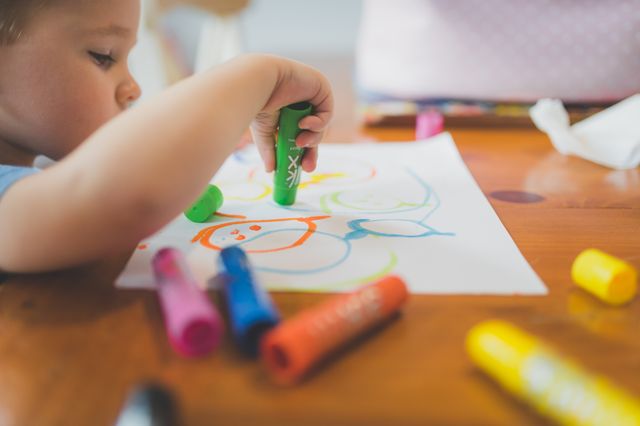
A child’s early years lay the foundation for future success, making the environment they grow up in one of the most important influences on their development. Whether at home or in an educational setting, children benefit most when they feel safe, valued, and encouraged to explore the world around them.
The Foundation of Emotional Security
Children learn best when they feel emotionally safe. A supportive environment allows them to express themselves without fear of criticism or failure. Educators who respond with patience, empathy, and encouragement help children develop trust, making them more willing to participate in activities and ask questions.
Families searching for quality early learning opportunities often prioritize environments where children can develop academically while also feeling emotionally secure. When these elements come together, children are more likely to enjoy learning, build healthy relationships, and reach their full potential.
Positive interactions with teachers and caregivers also reinforce self-worth. When children know that their efforts are appreciated, they become more motivated to continue learning and trying new experiences.
Encouraging Curiosity and Independent Thinking
Children are curious by nature. A properly motivated learning environment allows and encourages this curiosity through enabling them to explore, discover and solve problems on their own.
In trying to answer their questions a properly motivated teacher will encourage creativity and critical thinking through practical work, engaging them in conversation, encouraging imaginative thought and allowing them to find their own answers. By letting them choose and by making them feel like they have a say, kids will learn independence and responsibility.
They will be encouraged to take on challenges and work through difficulties thus strengthening their resolve and willpower in the face of adversity, which will aid them greatly throughout their education and beyond.
Building Strong Social Skills
Learning extends well beyond reading and mathematics. A positive environment provides daily opportunities for children to build friendships, communicate effectively, and cooperate with others.
Group activities encourage children to:
- Share resources fairly.
- Listen to different perspectives.
- Practice patience and turn-taking.
- Resolve disagreements respectfully.
- Develop empathy for others.
These interactions strengthen communication skills while helping children understand the importance of teamwork. As they grow older, these abilities become essential in school, sports, workplaces, and personal relationships.
Supportive educators also model respectful communication, giving children practical examples of kindness, active listening, and positive conflict resolution.
Supporting Cognitive Development
A well-designed learning environment stimulates intellectual growth through engaging activities that match each child’s developmental stage.
Interactive learning experiences encourage children to:
- Strengthen memory and concentration.
- Improve language development.
- Develop early numeracy skills.
- Enhance creativity.
- Build logical reasoning abilities.
When children actively participate instead of simply receiving information, they retain knowledge more effectively. Educational games, science experiments, music, art, and outdoor exploration all contribute to a richer learning experience.
The Importance of Positive Relationships
Strong relationships between children, educators, and families have a lot of positive impact. The relationship creates consistency that leads to healthy development.
Through communication between parents and teachers they are able to understand the child’s strengths or areas of need, which allows for more effective guidance inside and outside the classroom. Good relationships allow children to feel respected and supported, knowing that their important people are on the same page, which leads to happiness and success.
Creating an Environment That Inspires Growth
The physical surroundings also play an important role in children’s development. Bright, organised, and engaging spaces invite exploration while reducing unnecessary distractions.
Effective learning environments often include:
- Age-appropriate learning materials.
- Comfortable reading areas.
- Creative art stations.
- Outdoor play opportunities.
- Quiet spaces for rest or reflection.
These thoughtfully designed spaces encourage children to move between different types of activities while supporting both independent learning and group participation.
Long-Term Benefits Beyond the Classroom
The positive aspects of a good education will follow a child and their adult life. Children who have been nurtured through a positive environment have a much greater ability to grow with confidence and resilience. They tend to be more flexible and cooperative with each other or their peers, allowing them to be much more successful in the workforce and their careers.
But most importantly, children who thrive in education tend to enjoy it more than those who fear it. A love for education is a very important trait to have for every step of life. A child with a positive attitude toward learning will continue to do so their whole life.
Conclusion
A positive learning environment shapes far more than academic performance. It nurtures emotional wellbeing, strengthens social skills, encourages creativity, and builds the confidence children need to explore the world around them. When educators, families, and supportive environments work together, children develop the resilience and curiosity that fuel lifelong learning.