The stadium as urban platform, not just a container for games
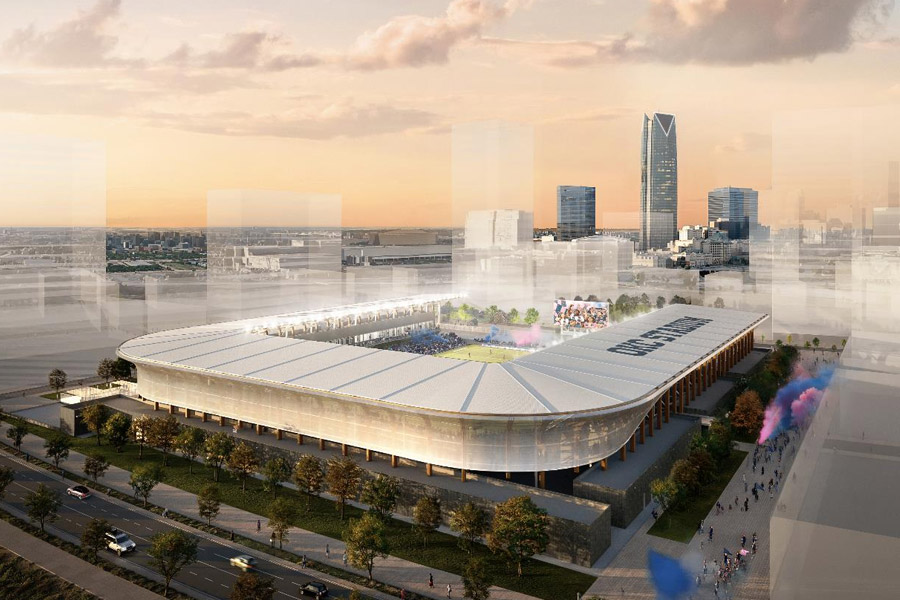
Sports arenas are becoming citymaking motors. They connect shopping, housing, hospitality, and civic life, say RENTit Colorado specialists. The arena’s roofline is impressive, but sidewalks, plazas, and ground-floor tenants drive daily use. Porous edges, modest businesses, and human-scaled streetscapes make an occasional destination a rhythmic neighborhood. Venues that act like long-term civic assets rather than two-hour attractions attract new residents and businesses and encourage existing communities to stay.
This shift hinges on a simple idea: curate experiences that matter on non-event days. Add childcare to the district. Program farmers markets. Invite local artists to activate walls and plazas. Equip concourses to double as exhibition spaces. Build the stadium as an adaptable stage for city life.
The financing puzzle and how value is captured
Big-venue district economics are tricky, and structure influences who benefits. Cities and teams use special tax districts, tax increment financing, PITs, leasebacks, and air-rights monetization. Operations are funded by naming rights, sponsorships, and premium seating, while nearby real estate captures spillover demand. Most resilient transactions have two traits:
- Value capture mechanisms that reinvest a portion of new property and sales tax growth back into the district’s infrastructure and community amenities.
- Sunset clauses and performance triggers that tie public participation to verified outcomes like affordable housing delivery, local hiring benchmarks, or transit ridership.
Well-crafted community benefit agreements can codify commitments to parks, cultural programming, and neighborhood services. Without that guardrail, hype often outruns dividends.
Designing for 365 days, not 41 home games
A stadium that sleeps nearly half the calendar is a costly sculpture. The antidote is mixed-use intensity and purposeful flexibility.
- Active edges: Wrap the venue in restaurants, clinics, co-working, maker spaces, and gyms with independent street entrances that can function no matter what is happening inside.
- Modular interiors: Partition concourses and premium lounges to host conferences, e-sports, graduations, and night markets. Retractable seating and demountable stages expand the booking palette.
- Public realm as attraction: Shade, seating, water features, and playable landscapes make plazas and pocket parks places to dwell. Thoughtful lighting extends safe use into the evening.
- Cultural anchoring: Locally curated food halls and galleries give the district an identity that feels homegrown rather than imported.
The most successful districts read like neighborhoods, not theme parks.
Mobility and access without the gridlock
A great venue is judged by the ease of arriving and departing. The old model of oceans of surface parking wastes land and induces traffic. Better practice layers options:
- Transit-first siting with frequent service and clear wayfinding inside the building.
- Managed curb zones for rideshare, coaches, and micromobility with geofenced staging to reduce circulating vehicles.
- Protected bike lanes, secure parking, and on-site showers for staff and cyclists.
- Dynamic pricing for parking and tickets aligned with arrival times to flatten peaks.
- Universal design from platform to seat, including step-free routes, quiet rooms, and sensory-friendly wayfinding.
Access planning that prioritizes people over cars unlocks land for housing and parks while slashing emissions and stress.
Climate-ready, resource-light venues
Stadiums concentrate people and consumption. The next generation flips that narrative, operating like mini-utilities that produce more than they take.
- Energy: On-site solar, battery storage, and heat-recovery systems tied into district energy loops smooth peaks and enable demand response.
- Water: Rainwater capture and non-potable reuse for irrigation and toilet flushing, paired with drought-tolerant landscapes and permeable paving, slash potable demand and curb flooding.
- Materials: Low-carbon concrete, mass timber in non-structural elements, and recycled content reduce embodied carbon.
- Heat and shade: Canopies, cool roofs, and tree canopies ease urban heat. Cool pavements and misting at key nodes keep queues tolerable in hot months.
- Waste: Back-of-house sorting, reusable cup systems, and vendor contracts that specify compostable or reusable serviceware make zero-waste goals achievable.
Climate resilience is also about geography: elevating critical systems above flood elevations, creating refuge areas, and hardening backup power keeps the venue functioning during shocks.
Housing and anti-displacement strategies that actually bite
Big projects can lift values and push out long-time residents. Protecting community fabric requires concrete actions, not slogans.
- On-site or nearby inclusionary housing delivered early in the phasing, not as a vague promise.
- Anti-displacement funds offering rental assistance, legal support, and property tax relief for cost-burdened neighbors.
- Tenant right-to-return provisions and relocation assistance when redevelopment affects existing homes.
- Phased ground-leases that prioritize local nonprofit and community land trust stewardship for affordable units.
- Small business stability: long-term, below-market leases, fit-out grants, and technical assistance to help local retailers survive construction and capitalize on new foot traffic.
A district that welcomes new investment without erasing its storytellers becomes more than a backdrop for a scoreboard.
Procurement, jobs, and local wealth creation
Construction is a once-in-a-generation opportunity to change who benefits from infrastructure spending.
- Targeted local hiring and apprenticeship programs funnel residents into skilled trades and venue operations.
- Supplier diversity goals with transparent reporting expand contracts for minority- and women-owned firms.
- Prompt payment policies and bond assistance lower barriers for small contractors.
- Workforce pipelines that extend beyond opening day into facility maintenance, IT, hospitality, and event management create durable careers.
When built right, the venue’s payroll circulates through neighborhood households rather than leaking away.
Downtown or edge-of-city: choosing the right canvas
Location determines fate. Central transportation hubs provide thicker, multi-use districts with lower per-capita emissions. They invite congestion and land tradeoff debates. Edge sites provide cheaper land and speedier timelines but risk becoming highway-dependent islands. Honest evaluations weigh:
- Transit capacity today and under future demand.
- The opportunity cost of land and the potential to stitch fractured urban fabric.
- Infrastructure readiness and the price of new utilities.
- The probability of round-the-clock activity versus event-spike emptiness.
A downtown site with a lean parking ratio and a rich mix of uses usually generates stronger urban dividends.
Measuring what matters, not just what is loud
Marketing numbers are easy. Accountability is better. Track metrics that reveal whether the district is lifting people and place:
- Small business revenue within a one-mile radius
- Share of visitors arriving by transit, walking, or cycling
- Carbon emissions per attendee and total energy use intensity
- Affordable housing units delivered and retained
- Local hiring rates, apprenticeship completions, and wage growth
- Public-space hours programmed and community event participation
- Noise, air quality, and traffic impacts on adjacent blocks
Publish the data. Adjust course. Treat the district like a living system.
Governance that keeps promises after opening night
Deals are made at ribbon cuttings, but trust is earned in year five. Establish a stewardship framework that endures:
- A district management entity with seats for neighborhood representatives, not just investors.
- Dedicated revenue streams for maintenance of parks, streetscapes, and cultural programming.
- Clear escalation paths for addressing nuisances like noise, litter, and curb chaos.
- Periodic, independent audits of community benefits compliance.
Steady governance keeps the district clean, safe, and equitable long after the last confetti sweep.
Operations tech that quietly makes it all work
Behind the spectacle, the best-run venues rely on calm, invisible systems.
- Digital twins model energy, crowd flow, and maintenance to cut costs and improve safety.
- Smart ticketing integrates with transit and curb management, smoothing arrivals and departures.
- Indoor positioning and dynamic signage redirect crowds away from bottlenecks.
- Sensors monitor air quality, water use, and waste streams in real time, feeding ESG dashboards.
- Acoustic modeling and real-time noise monitoring protect neighbors while preserving the atmosphere inside.
Technology should serve people, not the other way around.
FAQ
Are public funds ever justified for stadium districts?
Public participation is appropriate when it buys obvious, enforceable public goods that private actors cannot provide. Transit improvements, affordable housing, parks, and robust infrastructure. Contributions should have performance triggers, clawbacks, and public reporting to ensure benefits.
How can a stadium avoid becoming a dead zone on non-event days?
The design and leasing strategy matter. Diversify usage beyond food and drink, activate ground floors with independent entrances, and program public areas year-round. The calendar features flexible interiors for conferences, markets, and community activities. Residential and office areas generate daily foot traffic, keeping streets alive.
What is the most overlooked cost in stadium megaprojects?
Operations and lifecycle costs often dwarf initial construction savings. Energy, maintenance, and staffing accumulate quickly in large facilities. Designing for durability, specifying low-maintenance materials, and investing in efficient systems reduces long-term burdens. Budgeting for public-realm upkeep is equally critical, since tired streetscapes erode district appeal.
Can these projects genuinely help existing small businesses?
Yes, but not accidentally. Below-market leases, tenant improvement grants, coordinated marketing, and steady construction phasing help traditional firms endure change and attract new customers. Local vendors in retail and event concessions boost neighborhood entrepreneurs’ visibility and earnings.
What is the best way to manage game-day traffic without alienating neighbors?
Transit first. Coordinate event schedules with service frequency, bundle transportation tickets, and provide station directions. Use geofenced ridesharing and pick-up zones to manage roadblocks. Dynamic pricing spreads arrivals and departures. Restricted entry and traffic calming protect residential blocks. Gather data and adjust the plan after each incident.