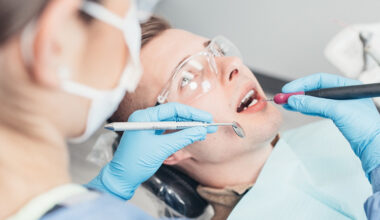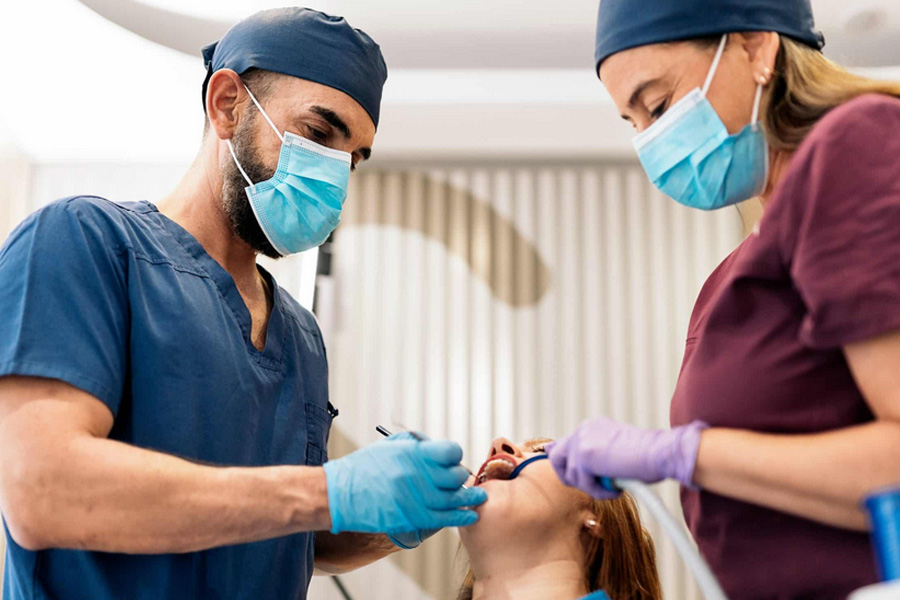
Oral healthcare is one of those routine commitments that often gets put on the back burner until something hurts. Yet, the choice of a dental practice influences far more than just the brightness of a smile. Modern dentistry sits at the intersection of preventive medicine, structural maintenance, and functional wellness. Selecting a team that understands your family’s unique developmental stages—from a toddler’s first tooth to complex adult restorative work—changes how you experience care over a lifetime.
Finding a reliable practice requires looking past marketing slogans to evaluate how a office operates, communicates, and prioritizes patient comfort. Whether you recently moved to a new community or are simply re-evaluating your current oral health strategy, knowing what features truly matter can save you from unnecessary stress and unexpected costs.
The Evolution of Preventive Dentistry
For decades, dental visits were primarily reactive. You went in when a cavity formed or a tooth chipped, received a quick patch, and went home. Today, the standard of care centers around comprehensive risk assessment and early intervention.
Preventive care acts as an insurance policy for your teeth. During a standard semi-annual visit, a skilled practitioner looks for subtle indicators that point to larger systemic or structural issues:
- Enamel Micro-wear: Patterns of wear often point to nocturnal teeth grinding (bruxism) or acid reflux long before a patient reports jaw pain or sensitive teeth.
- Periodontal Pocketing: Measuring the depth of gum tissue around each tooth helps catch early-stage gingivitis before it turns into non-reversible periodontitis.
- Oral Tissue Anomalies: Routine screenings identify suspicious lesions early, when treatment outcomes are most favorable.
When searching for local care, prioritize practices that emphasize diagnostic thoroughness over quick turnarounds. Residents near Madison County, for example, often look for an established dentist in fredericktown mo who offers thorough preventive evaluations rather than basic cleanings that rush patients out the door. A proactive diagnostic approach helps families avoid major restorative procedures down the road.
Assessing Technology and Clinical Standards
Modern dental technology isn’t just about flashy gadgets; it directly improves diagnostic accuracy and treatment comfort. When evaluating potential practices, consider how their equipment enhances patient outcomes.
Digital X-rays, for instance, reduce radiation exposure by up to 80% compared to traditional film while providing instant, high-resolution imagery. Intraoral cameras allow patients to see exactly what the practitioner sees on a overhead screen, turning diagnosis into an transparent, educational discussion rather than a leap of faith.
Another crucial factor is how a practice manages patient comfort. Modern clinics utilize conservative, minimally invasive techniques that preserve as much natural tooth structure as possible. From computerized local anesthesia delivery to gentle air-abrasion tools, technology should serve to reduce discomfort and recovery times.
Managing Dental Anxiety Across Generations
Dental apprehension affects millions of people, often originating from a bad childhood experience or fear of losing control during a procedure. A truly exceptional practice addresses this fear directly through open communication and patient autonomy.
Children require a gentle, encouraging environment where equipment is explained in approachable terms and appointments progress at their comfort level. Positive early interactions prevent lifelong anxieties from taking root.
Adults benefit equally from a non-judgmental environment. Many individuals avoid the dentist for years due to embarrassment over neglected teeth, which creates a cycle of avoidance and worsening conditions. A good clinical team focuses strictly on current solutions rather than lecturing about past habits.
If you are looking for care along the Rappahannock River area, choosing a patient-centered dentist in tappahannock va who prioritizes gentle techniques and clear communication makes a world of difference for anxious family members.
Practical Considerations: Convenience, Scheduling, and Continuity
While clinical skill is non-negotiable, practical logistics often dictate whether a family stays consistent with their oral health appointments. A practice must fit naturally into your weekly routine.
Look for these operational indicators when choosing a long-term clinic:
- Family Block Scheduling: The ability to book multiple family members in consecutive or simultaneous slots eliminates repeated trips across town.
- Transparent Financial Policies: Clear cost estimates provided before treatment begins help prevent unexpected billing surprises.
- Comprehensive Scope of Service: Practices offering preventive, cosmetic, and restorative services under one roof save you from frequent referrals to external specialists.
Continuity of care is the ultimate goal. When the same dental team monitors your mouth over five, ten, or fifteen years, they build an understanding of your unique biological baseline. That long-term perspective allows them to spot subtle changes quickly, offering tailored advice that keeps your smile healthy, functional, and pain-free for life.