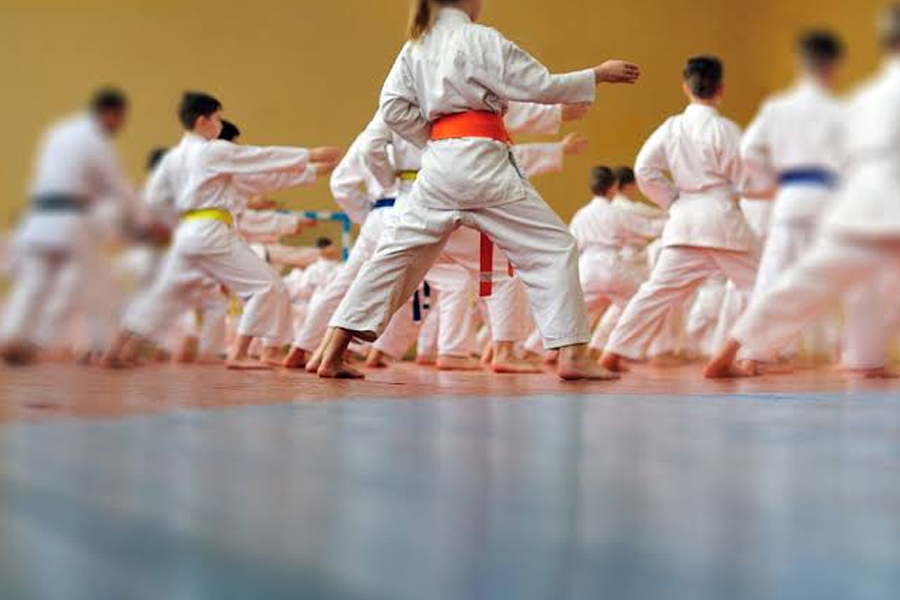
Martial arts is an incredible way to build strength, discipline, and confidence. From karate to Brazilian jiu-jitsu, the physical and mental benefits are undeniable. But with high-intensity training comes the risk of injury. Whether you’re a beginner stepping onto the mat for the first time or an experienced practitioner, prioritizing safety is essential to enjoying the sport long-term. Here are key safety tips every martial artist should follow.
1. Start With a Proper Warm-Up
One of the most overlooked aspects of martial arts training is the warm-up. Cold muscles are more prone to strains, sprains, and tears. A thorough warm-up prepares your body for the demands of practice and sparring. Begin with light cardio, such as jogging or skipping rope, followed by dynamic stretches that target the shoulders, hips, and legs. Mobilizing your joints ensures flexibility and reduces the chance of injuries during high-intensity movements.
2. Invest in Quality Protective Gear
Martial arts gear isn’t just for looks—it’s your first line of defense against injury. Depending on your discipline, protective equipment may include gloves, shin guards, helmets, and a mouthguard. A properly fitted mouthguard can protect your teeth and jaw from impact during sparring. Invest in equipment that meets safety standards and replace worn-out gear regularly. Remember, protection isn’t optional—it’s essential.
3. Learn Correct Technique
Even the strongest athlete is vulnerable without proper technique. Martial arts is as much about precision as it is about power. Striking incorrectly or executing a throw without proper form can lead to serious injuries. Work closely with your instructor to master the correct movements and ask for feedback regularly. Slow, deliberate practice will build muscle memory, so your body naturally follows the safest path during sparring or self-defense drills.
4. Don’t Skip Conditioning
Strength and conditioning are crucial for injury prevention. Strong muscles, tendons, and ligaments provide better support for joints and reduce the risk of overuse injuries. Core strength, in particular, stabilizes your body during kicks, throws, and takedowns. Incorporate exercises like planks, squats, and resistance training into your routine. Conditioning not only improves performance but also helps your body endure the physical demands of martial arts safely.
5. Respect Your Limits
One of the most common causes of injuries is pushing too hard, too fast. Martial arts is a journey, not a sprint. Listen to your body and recognize when you need rest or recovery. Overtraining can lead to fatigue, reduced coordination, and a higher risk of accidents. Adequate sleep, proper nutrition, and scheduled rest days are essential components of safe training. Pushing through pain may seem admirable, but it often leads to setbacks rather than progress.
6. Communicate During Sparring
Sparring is an integral part of martial arts, but it’s also a time when injuries are most likely to occur. Clear communication with your partner is critical. Establish boundaries, agree on intensity levels, and use safe practice techniques. Pay attention to signals from your partner—if they seem uncomfortable or off-balance, adjust your approach. Martial arts is about learning and improvement, not causing harm.
7. Keep the Training Environment Safe
A safe dojo or training area is essential for preventing accidents. Mats should be clean, intact, and free of obstructions. Equipment should be stored properly to avoid tripping hazards. Additionally, maintaining proper hygiene reduces the risk of infections from cuts or abrasions. A well-kept training space shows respect for both your practice and your fellow martial artists.
8. Recover Properly
Recovery is just as important as training. Stretching after practice, applying ice to sore areas, and addressing injuries promptly can prevent minor issues from becoming long-term problems. Listening to your body’s signals ensures that you return to training stronger, not sidelined by preventable injuries.
Conclusion
Martial arts is rewarding, but it demands responsibility. By warming up properly, investing in protective gear, mastering technique, conditioning your body, respecting limits, communicating during sparring, maintaining a safe environment, and prioritizing recovery, you can reduce your risk of injury and enjoy the sport safely. Fight smart, protect yourself, and make every session a step toward both skill and safety.