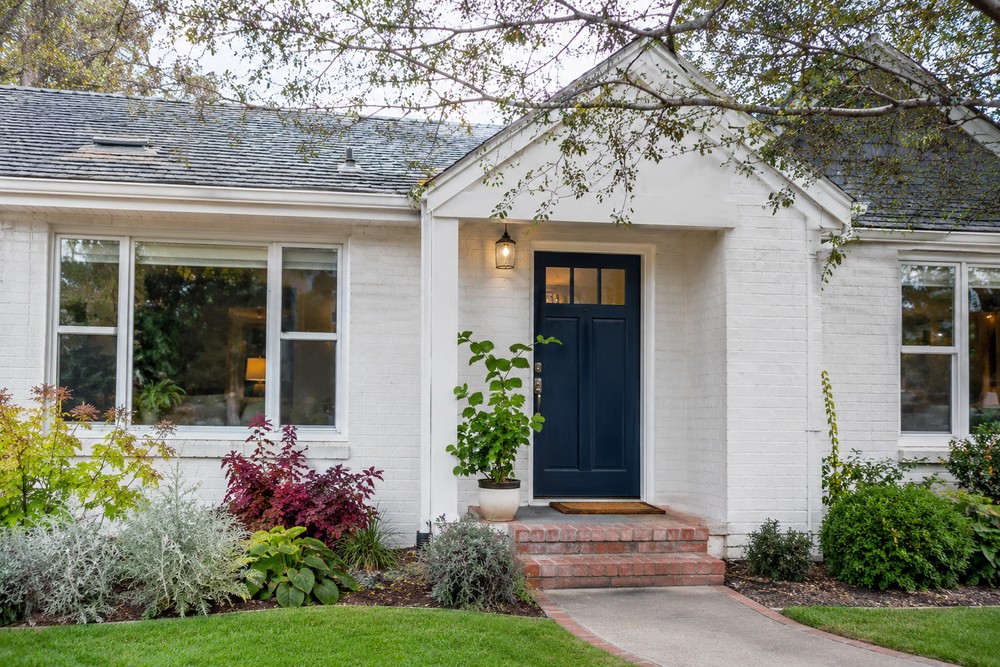
Figuring out what a house is actually worth takes more than a quick glance online. Real estate markets shift constantly based on buyer demand and local economic changes. Sellers often make the mistake of overpricing their properties right from the start. Knowing the core elements that drive home value helps you set a realistic price tag.
Property valuation involves looking at tangible features alongside broader economic shifts. Smart owners evaluate every angle before putting a house on the market. Understanding these core principles gives you a distinct edge when negotiating sales prices.
Understanding Local Market Trends
The local market affects how much buyers will pay for a home. When there are fewer homes for sale and more buyers, prices go up. Buyers may compete to get a home in a good area.
Interest rates also affect what buyers can afford. When rates go up, buyers may have less money to spend. When rates go down, more buyers may enter the market.
A growing area can bring more people who need homes. Knowing what buyers want can help sellers set the right price and sell faster.
Condition and Age of the Property
The age and condition of a home can affect its price. Buyers want a home that is safe, clean, and ready to live in.
A home that needs major repairs may sell for less. For example, a home priced at $350,000 should be checked for repair costs before it goes on the market.
Buyers and home inspectors look at the roof, pipes, and wires. A home that needs few repairs is more likely to attract buyers.
Fixing old or broken parts can help protect the home’s value. Older homes should also be checked for hidden problems.
Home updates that can add value:
- New roof
- Modern kitchen
- Fresh paint
- Updated bathroom
- Clean floors
Selling Fast With Cash Buyers
Many property owners look for quick sales when life changes happen unexpectedly. Companies that help you to sell your house fast for cash operate differently than traditional real estate agents. They often evaluate properties using specific pricing ratios to make immediate cash offers.
This streamlined process lets owners bypass traditional mortgage approval delays completely. Homeowners receive their funds within 3 days instead of waiting months for bank clearances. Real estate investors provide alternative routes for distressed properties.
Square Footage And Room Layout
Size matters when pricing residential real estate for the open market. Larger homes naturally command higher prices in most suburban neighborhoods. Functional layouts make smaller spaces feel much bigger than they actually are.
Open floor plans remain very popular among modern home buyers today. Usable square footage adds tangible worth that appraisers look for closely. Every extra bedroom or bathroom increases the total property valuation significantly. Smart spatial design makes even compact houses feel luxurious.
Final Thoughts
Setting the right price protects you from leaving money on the table. Take time to study recent sales in your immediate area before listing. Getting professional appraisals prevents costly guessing games during tense negotiations.
Looking for more tips and ideas? We’ve got you covered. Check out some of our other posts now.