The exterior of a property is constantly exposed to environmental elements that can gradually affect both its appearance and overall condition. Dust, dirt, pollen, rain, wind, leaves, mud, algae, mildew, moss, bird residue, and airborne pollutants can accumulate on siding, roofs, gutters, windows, driveways, patios, fences, screens, walkways, and other outdoor surfaces. Because this buildup often develops gradually, property owners may not notice how much it has changed the appearance of their building until the surfaces become heavily stained or discolored. Regular cleaning can help prevent excessive accumulation while giving property owners an opportunity to identify areas that may need repairs or additional maintenance. A properly planned cleaning routine does more than improve curb appeal because it can also support the long-term care of exterior materials and help keep outdoor areas looking presentable throughout the year.
Professional exterior cleaning is most effective when each surface is evaluated individually before the work begins. A driveway, roof, siding system, wooden deck, screen enclosure, concrete walkway, and painted exterior wall do not have the same cleaning requirements, which means using one aggressive method across the entire property can create unnecessary damage. Durable concrete may respond well to controlled pressure washing, while roofing materials, delicate siding, painted wood, and screens may require a gentler soft washing process. The type of contamination also matters because loose dirt may be removed with water and appropriate pressure, while algae, mildew, and other organic growth may require a suitable cleaning solution. A professional approach focuses on selecting the least aggressive effective method for each material, helping achieve thorough results while protecting the surfaces being maintained.
Understanding the Importance of Exterior Maintenance
Exterior maintenance plays an important role in protecting the appearance and functionality of a property because outdoor surfaces are exposed to weather every day. Sunlight can gradually affect finishes, rain can leave behind dirt and mineral deposits, wind can carry dust and debris onto surfaces, and moisture can encourage organic growth in shaded areas. Leaves and branches can collect around rooflines and gutters, while pollen can create a noticeable layer on siding, windows, screens, and outdoor furniture. When contaminants remain on surfaces for long periods, they can become increasingly difficult to remove and may contribute to a neglected appearance. Routine cleaning helps control this buildup before it becomes excessive and makes it easier for property owners to monitor the condition of exterior materials. Clean surfaces also make problems such as cracks, peeling paint, loose siding, deteriorated trim, damaged concrete, and drainage issues easier to identify.
House Washing as Part of Exterior Care
House washing is one of the most recognizable components of exterior property maintenance because siding and exterior walls are among the first surfaces people notice. Over time, vinyl siding, painted wood, brick, stucco, fiber cement, and other materials can accumulate dust, pollen, algae, mildew, cobwebs, and general environmental grime. The correct cleaning process depends on the material and its condition, which is why professional assessment is important before water pressure or cleaning products are applied. Some surfaces can tolerate controlled pressure, while others can be damaged if water is forced into seams, cracks, or vulnerable areas. A careful house washing process can remove visible buildup and refresh the appearance of the property while reducing unnecessary stress on the exterior finish. Regular cleaning can also make future maintenance easier because contaminants do not have as much time to become deeply established on the surface.
The Role of Soft Washing
Soft washing is an important cleaning method for exterior surfaces that may not tolerate aggressive pressure. Instead of depending primarily on mechanical force, soft washing uses appropriate cleaning solutions and low-pressure rinsing to loosen and remove contaminants. This approach can be particularly useful for certain roofing materials, delicate siding, painted surfaces, and other areas where excessive pressure could strip finishes or damage materials. Organic growth such as algae and mildew may respond especially well to an appropriate cleaning solution because the treatment can help break down the contamination before it is rinsed away. The cleaning solution must be selected carefully according to the surface and type of buildup, and surrounding landscaping should be considered throughout the process. Soft washing demonstrates why effective cleaning is not simply about using the strongest equipment but about understanding the material and choosing a method that provides the desired result with minimal unnecessary force.
Roof Cleaning and Exterior Maintenance
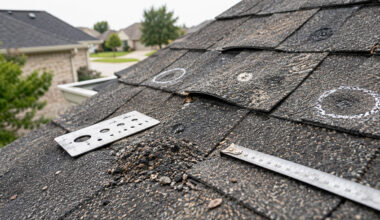
The roof is one of the most exposed parts of a property and can accumulate leaves, dirt, algae, moss, and other organic material over time. Although roof cleaning can improve appearance and remove unwanted buildup, roofing materials generally require specialized treatment because excessive pressure can damage shingles, remove protective granules, or affect other roofing components. A professional roof cleaning process should begin with an assessment of the roofing material and its condition so that the cleaning method can be selected appropriately. Soft washing or another low-pressure technique may be more suitable for many roofing systems. During the process, professionals can also observe visible signs of damaged shingles, deteriorated flashing, loose materials, or drainage concerns. Cleaning does not replace roof repairs or inspections, but it can support a broader maintenance program by keeping the surface cleaner and making visible problems easier to identify.
Keeping Gutters Clean and Functional
Gutters are another important part of exterior maintenance because they collect rainwater from the roof and direct it toward downspouts and appropriate drainage areas. Leaves, twigs, dirt, moss, roof debris, and other materials can accumulate inside gutters and eventually restrict water flow. When gutters become clogged, water may overflow over the edges and run down siding, fascia, landscaping, walkways, or areas close to the foundation. Regular gutter maintenance can help reduce these problems and keep the drainage system functioning as intended. Cleaning also creates an opportunity to look for sagging sections, loose fasteners, separated joints, cracks, or other visible damage. Downspouts should be considered as well because clearing the gutter channel alone does not guarantee that water can move freely through the entire system. Keeping gutters and downspouts maintained complements other exterior cleaning services and contributes to a more complete approach to property care.
Driveway and Concrete Cleaning
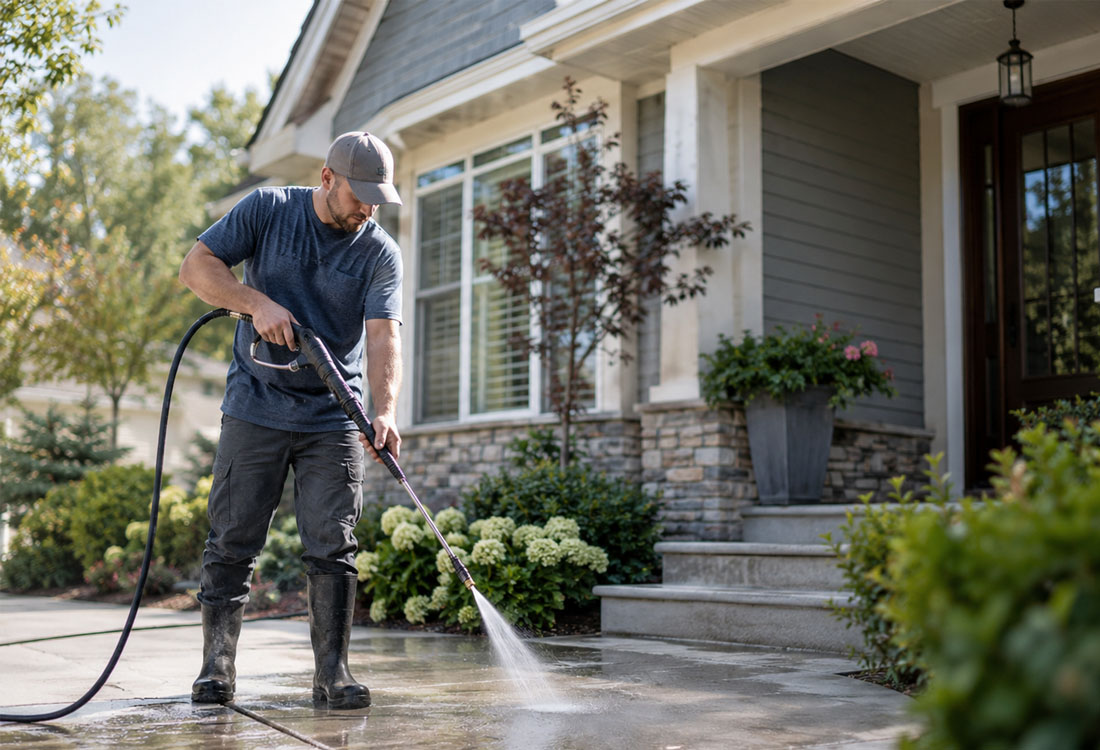
Driveways, sidewalks, walkways, patios, and other concrete surfaces are exposed to heavy traffic and environmental contamination. Vehicles can leave tire marks and fluid residue, while rain and wind can deposit dirt, mud, leaves, and other debris. Shaded concrete may also develop algae or mildew, creating dark or slippery-looking areas. Controlled pressure washing can be effective for many durable concrete surfaces because pressurized water can remove stubborn grime that ordinary rinsing cannot address. However, the condition of the concrete should always be evaluated before cleaning because cracked, spalled, or deteriorated surfaces may require additional care. Excessive pressure can worsen weak areas or create uneven results if the equipment is used improperly. A professional cleaning process considers surface condition, nozzle selection, water pressure, cleaning distance, and the type of contamination to produce a consistent result without unnecessarily stressing the concrete.
Patio and Deck Maintenance
Outdoor living areas such as patios and decks can accumulate substantial amounts of dirt, pollen, leaves, food residue, algae, and mildew because they are exposed to the elements throughout the year. A dirty patio can make an otherwise attractive outdoor area look neglected, while a contaminated deck may become difficult to enjoy or maintain. Concrete patios may often be cleaned with controlled pressure, but wooden decks generally require a more cautious approach because excessive pressure can damage wood fibers and leave visible marks. The cleaning method should also account for whether the deck has been stained, painted, sealed, or previously treated. Once dirt and organic growth are removed, property owners can more easily evaluate the condition of boards, joints, coatings, and other components. Regular cleaning combined with appropriate sealing, staining, or repairs can help keep outdoor living spaces functional and attractive for longer periods.
Fence Cleaning and Exterior Appearance
Fences are sometimes overlooked during routine property maintenance even though they can occupy a large portion of the visible exterior. Wood, vinyl, composite, and other fencing materials can collect dust, algae, mildew, pollen, and weather-related staining. Over time, this buildup can make a fence look faded or neglected and may reduce the visual consistency of the surrounding property. Cleaning should be adjusted according to the fencing material because wood may require lower pressure and more careful handling than certain durable synthetic materials. A thorough cleaning can refresh the appearance of the fence while making it easier to notice damaged boards, loose posts, deteriorated finishes, or other concerns. Maintaining fences along with siding, walkways, patios, and other exterior features can create a more uniform appearance and help the property look consistently cared for.
Screen Washing for Outdoor Enclosures
Window screens, porch screens, patio enclosures, and pool screens can collect dust, pollen, insects, cobwebs, leaves, and organic residue. Because screen mesh is relatively delicate, it should not be cleaned with the same aggressive methods used for concrete or other durable materials. Excessive pressure can stretch or tear the mesh, especially when the screen is older or already weakened. Gentle cleaning and controlled rinsing can remove accumulated contaminants while reducing unnecessary stress on the material. Frames should also be cleaned because dirt often collects around corners, joints, and lower sections. Clean screens can improve visibility, allow more natural light into enclosed areas, and make patios, porches, and other outdoor spaces feel brighter and better maintained. Screen washing can be especially valuable when combined with house washing or other exterior services.
Protecting Landscaping During Cleaning
Landscaping is an important consideration during any exterior cleaning project because flowers, shrubs, trees, grass, and garden beds may be located close to the surfaces being washed. Water, loosened debris, and certain cleaning solutions can affect vegetation if they are not properly managed. Professional preparation may include moving movable items, pre-rinsing plants, protecting particularly sensitive areas, and rinsing vegetation after cleaning when appropriate. Runoff should also be considered so that dirt and cleaning products do not collect unnecessarily in garden beds or other vulnerable locations. A responsible cleaning process focuses on the entire property rather than treating the walls, roof, driveway, or patio as isolated surfaces. Proper preparation helps protect the surrounding landscape while allowing the cleaning work to proceed efficiently.
Seasonal Exterior Cleaning Considerations
Different seasons can create different cleaning challenges for property owners. Spring may bring heavy pollen and organic debris, while summer can increase dust and algae growth in areas exposed to moisture. Autumn can introduce large amounts of leaves and small branches, while winter weather may leave behind dirt, moisture stains, and other residue. Seasonal cleaning can help address these changing conditions before contaminants become heavily established. Properties surrounded by mature trees may need more frequent attention because leaves and organic debris can accumulate rapidly, while properties in open areas may experience slower buildup. Instead of following a rigid schedule that treats every property the same, property owners can monitor visible conditions and arrange maintenance when surfaces begin showing significant contamination.
Exterior Cleaning Before Selling a Property
A property’s exterior often creates the first impression for potential buyers, which makes cleanliness an important consideration before listing or showing a property. Dirty siding, stained walkways, clogged gutters, weathered fences, and neglected patios can make a building appear less maintained than it actually is. Cleaning these surfaces can refresh the appearance and highlight architectural features that may otherwise be hidden by dirt and discoloration. Clean outdoor areas can also improve the presentation of property photographs and make entrances and living spaces more inviting during showings. Cleaning should not be used to conceal underlying problems, however. If the property has damaged siding, deteriorated wood, cracked concrete, failing paint, or roof concerns, those issues should be evaluated and addressed separately so that appearance improvements are supported by proper maintenance.
Preventive Benefits of Regular Cleaning
Regular cleaning can contribute to preventive maintenance by limiting the amount of dirt and organic growth that remains on exterior surfaces between service visits. Heavy buildup can become more difficult to remove as time passes, particularly when moisture and organic material are involved. Keeping surfaces reasonably clean can make future maintenance more manageable and allow property owners to notice changes more easily. Once grime and growth have been removed, cracks, loose materials, deteriorated finishes, and other defects become more visible. Cleaning itself does not repair these problems, but early identification can allow property owners to arrange the appropriate repairs before conditions become more serious. This makes routine cleaning useful not only for appearance but also for ongoing property awareness and maintenance planning.
Why Professional Cleaning Can Be a Better Option
Exterior cleaning can involve large surfaces, specialized equipment, ladders, wet conditions, cleaning solutions, and areas that are difficult to reach safely. Attempting to clean an entire property without proper equipment or experience can take considerable time and may create unnecessary safety or surface-damage risks. Professional cleaners understand how to adjust pressure, select nozzles, control spray distance, apply suitable cleaning products, and protect sensitive areas. They can also determine whether a surface should receive pressure washing, soft washing, or another specialized treatment. This experience can be particularly valuable when a property contains multiple materials that require different approaches. Professional service can save property owners physical effort while helping produce more consistent results across large exterior areas.
Common Exterior Cleaning Mistakes to Avoid
One of the most common mistakes is assuming that more pressure always produces better cleaning results. Excessive pressure can damage wood, siding, paint, roofing materials, screens, and other vulnerable surfaces. Another mistake is using the same cleaning product across different materials without checking compatibility. Certain products may affect finishes, plants, metals, or other surrounding components. Ignoring existing damage is another concern because cracks, loose materials, deteriorated surfaces, and failing seals can become worse during cleaning. Poor runoff management can also create unnecessary problems around landscaping and drainage areas. A careful cleaning process avoids these issues by evaluating the property before work begins and selecting methods according to the specific material and condition.
Building a Complete Exterior Maintenance Plan
A comprehensive property maintenance plan may include house washing, roof cleaning, gutter cleaning, driveway washing, patio cleaning, fence cleaning, screen washing, soft washing, and other specialized services. Combining appropriate services can provide a more consistent appearance and allow several maintenance concerns to be addressed during a coordinated project. However, combining services should never mean using one cleaning technique everywhere. Each surface should still be evaluated individually so that the least aggressive effective method can be selected. For example, concrete may require controlled pressure, while roofing materials and screens may need low-pressure cleaning. This balanced approach helps property owners maintain different exterior components without exposing vulnerable materials to unnecessary force.
Choosing the Right Exterior Cleaning Provider
Selecting an experienced exterior cleaning provider can make a significant difference in both the cleaning results and protection of the property. Property owners should consider the company’s experience with different materials, equipment, cleaning methods, safety practices, preparation procedures, and approach to surrounding landscaping. A professional provider should inspect the property before beginning work and explain which methods are appropriate for the visible conditions. It is also beneficial to choose a company that understands the difference between cleaning and repair so that existing problems are not overlooked. Careful preparation, appropriate equipment, controlled application, and thorough cleanup are all important aspects of professional service. The strongest equipment is not necessarily the best choice; knowledge of the surface and proper technique are more important for achieving a reliable result.
Conclusion
Exterior cleaning is an important part of maintaining a property’s appearance, cleanliness, and long-term condition because outdoor surfaces are constantly exposed to dirt, dust, pollen, moisture, leaves, algae, mildew, and changing weather conditions. Without regular maintenance, these contaminants can create stains, discoloration, and buildup that become increasingly difficult to remove. Cleaning can refresh the appearance of siding, roofs, gutters, driveways, patios, fences, screens, and other outdoor areas while also making it easier to identify cracks, deterioration, loose materials, and other maintenance concerns. The most effective approach is to evaluate every surface individually and select the cleaning method that provides effective results without unnecessary force.Professional exterior cleaning can become a valuable part of a complete property maintenance strategy when it is combined with services such as house washing, roof cleaning, gutter cleaning, soft washing, driveway cleaning, patio maintenance, fence washing, and screen washing. Regular attention can help prevent heavy buildup, improve curb appeal, support cleaner outdoor living spaces, and make ongoing property maintenance easier to manage. By using appropriate techniques, protecting surrounding landscaping, addressing drainage concerns, and scheduling cleaning according to actual environmental conditions, property owners can maintain a cleaner and more attractive exterior while helping preserve the condition of their property over time.