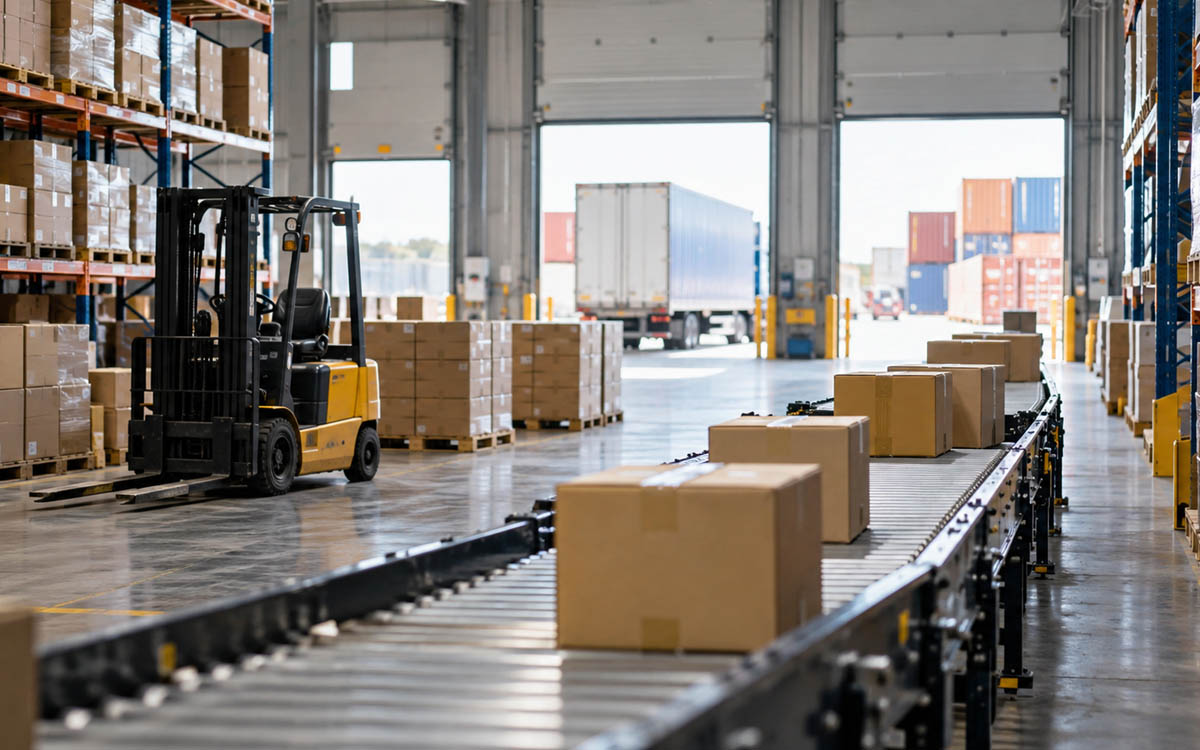
In today’s fast-paced commercial environment, businesses increasingly rely on specialised logistics to maintain competitive advantage and operational efficiency. B2B logistics plays a pivotal role in streamlining supply chain processes by providing tailored solutions designed for business-to-business transactions. Understanding how these logistics services can enhance supply chain operations is essential for companies aiming to optimise delivery, reduce costs, and improve overall reliability.
Understanding B2B Logistics
B2B logistics primarily involves the management of goods, services, and information between businesses rather than direct interactions with consumers. This sector covers the transportation, warehousing, and distribution of products among manufacturers, wholesalers, distributors, and retailers. The complexity of B2B logistics is heightened by larger volumes, customised delivery requirements, and the critical need for coordination between multiple stakeholders.
Effective B2B logistics solutions must address issues such as inventory management, order accuracy, freight consolidation, and supply chain transparency. Companies that incorporate strategic logistics planning within their supply chains benefit from reduced delays, lower operational costs, and improved customer satisfaction among their business clients.
The Role of Technology in B2B Logistics
Modern b2b logistics solutions increasingly leverage advanced technologies such as automation, Internet of Things (IoT), and data analytics to optimise supply chain efficiency. Automated warehouse management systems enable precise inventory tracking and faster order fulfilment, while IoT devices provide real-time monitoring of shipment conditions and locations.
Data analytics assists in predictive demand forecasting and route optimisation, allowing logistics providers to allocate resources more efficiently. Additionally, digital platforms facilitate seamless communication between suppliers, logistics operators, and customers, ensuring transparency and responsiveness throughout the supply chain.
Benefits of B2B Logistics for Supply Chains
Integrating specialised B2B logistics services can yield significant advantages across various aspects of the supply chain. Primarily, these services enhance operational efficiency by minimising transit times and improving load management. By consolidating shipments and optimising delivery routes, logistics providers reduce transportation costs and environmental impact.
Moreover, businesses benefit from improved inventory control that reduces stockouts and overstock situations. Timely delivery also supports better production scheduling and customer order fulfilment. Importantly, effective logistics solutions contribute to stronger supplier relationships through reliable service and clear communication channels.
Customising Logistics Solutions to Business Needs
Supply chains differ greatly depending on industry, product types, and market demands. Hence, b2b logistics providers frequently offer customised solutions tailored to specific business requirements. These can include specialised handling of sensitive goods, flexible delivery scheduling, or integration with enterprise resource planning (ERP) systems.
For instance, companies dealing with perishable goods may require temperature-controlled storage and express shipping options. Industrial manufacturers might prioritise bulk shipments with heavy equipment handling expertise. Customisation ensures that logistics processes align closely with business objectives and regulatory compliance standards.
Improving Risk Management in the Supply Chain
Supply chains face numerous risks, including delays, damage to goods, and disruptions caused by external factors. B2B logistics providers implement robust risk management strategies to mitigate these challenges. These strategies encompass contingency planning, insurance coverage, and the use of tracking technologies for early detection of potential issues.
Furthermore, logistics operators maintain compliance with international trade regulations which helps to avoid legal complications and penalties. By proactively managing risks, businesses protect their supply chain integrity and ensure continuous operation even in adverse conditions.
Environmental Considerations in B2B Logistics
Sustainability has become a key focus within the logistics industry. Many companies seek b2b logistics partners committed to reducing their carbon footprint through eco-friendly practices. These include optimising transport routes to minimise fuel consumption, implementing green packaging solutions, and utilising energy-efficient warehouses.
Adopting greener logistics practices not only supports corporate social responsibility initiatives but also leads to cost savings and improved brand reputation. Customers increasingly expect businesses to address sustainability issues as part of their supply chain operations.
The Impact of Globalisation on B2B Logistics
Globalisation has expanded the scope and complexity of supply chains, increasing the demand for effective B2B logistics solutions capable of managing international trade. Cross-border logistics involve intricate customs procedures, tariffs, and diverse regulatory environments, necessitating specialised knowledge and comprehensive service networks.
B2B logistics providers assist businesses in navigating these complexities by offering coordinated international freight forwarding, customs brokerage, and compliance advisory. Such capabilities facilitate smoother global trade operations and quicker market access for companies involved in worldwide commerce.
Enhancing Visibility and Supply Chain Collaboration
Visibility across the supply chain is critical for informed decision-making and timely interventions. The integration of digital platforms within B2B logistics solutions allows stakeholders to access real-time data on shipment status, inventory levels, and delivery schedules. Enhanced visibility improves coordination among suppliers, manufacturers, and distributors.
Collaborative logistics networks foster joint problem-solving and resource sharing which collectively improve supply chain responsiveness. This interconnected approach reduces inefficiencies and promotes stronger partnerships throughout the business ecosystem.
Choosing the Right B2B Logistics Partner
Selecting an appropriate b2b logistics partner is crucial for maximising supply chain performance. Businesses should evaluate providers based on factors including industry expertise, technological capabilities, service flexibility, and geographic coverage. Additional considerations include reliability, customer support quality, and scalability of logistics services.
Engaging a logistics partner that aligns with organisational goals and growth plans ensures ongoing improvement of supply chain functions. Collaboration with a reputable provider can facilitate innovation, cost reduction, and elevated service standards.
Future Trends in B2B Logistics
The evolution of B2B logistics continues as businesses adopt emerging technologies such as artificial intelligence (AI), blockchain, and autonomous vehicles. AI enables more accurate forecasting and automated decision-making, while blockchain offers enhanced security and transparency in transactions. Autonomous delivery vehicles promise to reduce labour costs and speed up last-mile deliveries.
Additionally, the proliferation of e-commerce has intensified demand for flexible logistics solutions that can accommodate rapid order fulfilment and reverse logistics processes. Staying abreast of these future trends will allow companies to maintain resilience and competitive edge in their supply chains.
Conclusion
Efficient supply chains are vital to business success, requiring sophisticated logistics strategies to coordinate complex movements of goods between entities. Utilising specialised b2b logistics solutions enables companies to enhance operational efficiency, reduce costs, manage risks, and support sustainable practices. By embracing technology and tailored logistics services, organisations can achieve greater visibility and collaboration within their supply networks.
As supply chain demands evolve amidst globalisation and technological advancement, partnering with experienced logistics providers will remain a key enabler of sustained growth and market responsiveness.