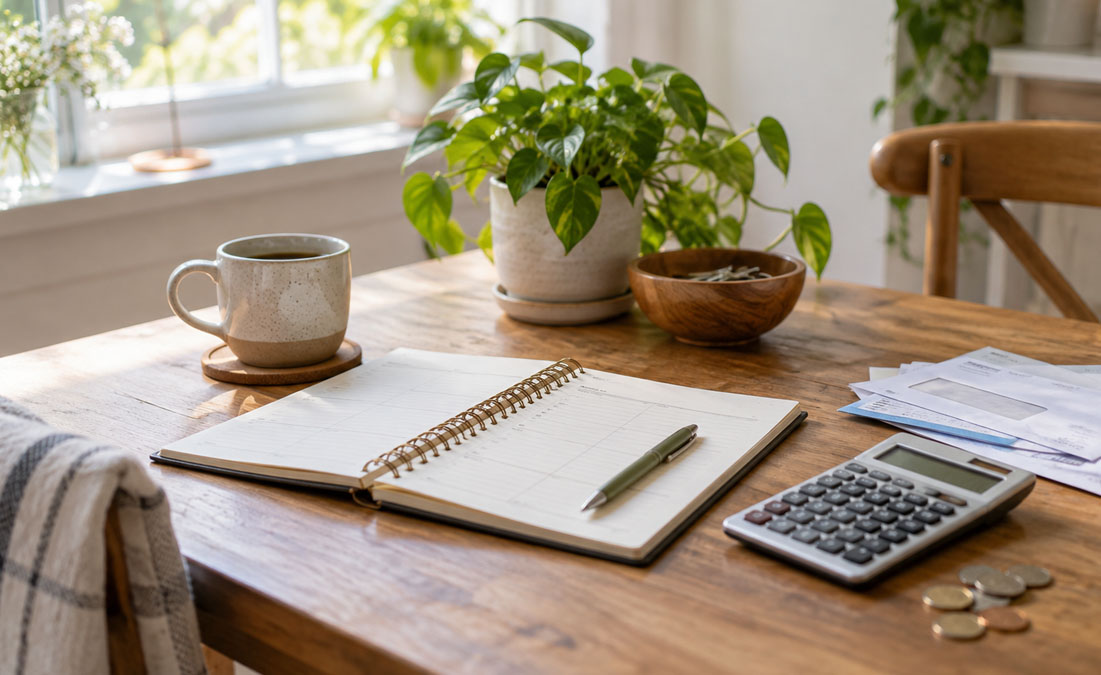
Managing money can be stressful. Expenses pile up, bills arrive, and surprise costs can make even a well-planned budget feel unsure. A calm money routine offers a different approach. Rather than treating finances as something to avoid, fear, or constantly monitor, the strategy creates a predictable rhythm for understanding where your money is going and what you need it to do.
If you can get cash with your car title in Racine, for example, you can use the option to help you as part of a broader financial plan. The key is making intentional choices rather than reacting from stress. Here’s what you should know about designing a calm money routine.
Begin with a Simple Money Check-In
A calm routine starts with awareness. Choose a day weekly for spending 15 to 20 minutes to review your finances. Look at your checking account, recent spending, upcoming bills, and savings progress. It isn’t necessary to study every transaction or build a detailed spreadsheet.
Rather than a judgment, treat this time as a check-in. If you spent more than expected, just acknowledge it. Ask yourself what happened and whether anything needs to change. With this approach, what you discover during your check-in is easier to face. Why? Because understanding is the goal – not punishment.
Automate the Essentials
You can use automation to remove much of the mental effort associated with money management. Whenever possible, establish automatic payments for recurring bills, and consider scheduling automatic transfers to savings.
Even when life gets busy, automation creates consistency. It also lowers the risk of forgetting important payments. Once your essential financial tasks occur automatically, your weekly money check-in can focus on broader decisions – not routine administration.
Create Realistic Spending Categories
A calm budget should reflect your actual life. Instead of creating extremely rigid categories, divide your income into practical priorities such as housing, utilities, transportation, food, debt payments, savings, and flexible spending.
The routine is more sustainable if you include money for enjoyment. A budget that has room for occasional meals out, hobbies, or entertainment is often easier to maintain than one that treats each nonessential purchase as a budget failure.
Establish a Small Financial Cushion
One of the biggest sources of financial anxiety is an expense you didn’t expect. Even a modest emergency fund can provide breathing room when a medical bill, repair, or other surprise expense appears.
Begin with an amount that feels doable. Regularly putting aside a small sum is more important than trying to build a large fund right away. As your cushion grows, you may feel less pressure when something unexpected happens.
Set Fewer, Clearer Goals
Attempting to accomplish every financial goal immediately can create unnecessary pressure. Instead, choose a small number of priorities. In addition to creating a financial cushion, you might focus on paying down high-interest debt, saving for a major purchase, or increasing long-term investments. Give each goal a realistic timeframe and review your progress periodically.
Remember that financial progress need not be dramatic. Oftentimes, consistency matters more than speed.
Protect Your Peace of Mind
A calm money routine also includes knowing when to stop thinking about money. Checking your accounts repeatedly throughout the day can heighten your anxiety without improving your financial situation.
Set boundaries around financial tasks. Review your money at your scheduled time, make the necessary decisions, and then move on with your day.
Make it Sustainable
The best money routine is one you can maintain. Keep your system simple, flexible, and realistic. Over time, your positive habits can turn financial management from a stressful obligation into a steady and manageable part of everyday life,