Asking questions about disability insurance helps you understand how it can protect your income and financial stability as a practicing veterinarian. The coverage assists you during unexpected situations, which include illnesses or injuries that interrupt your ability to work. Understanding disability insurance for practicing veterinarians helps you prepare for career disruptions, and it supports planning for professional challenges. Here are some of the questions that you can ask:
What Is Covered by Insurance?
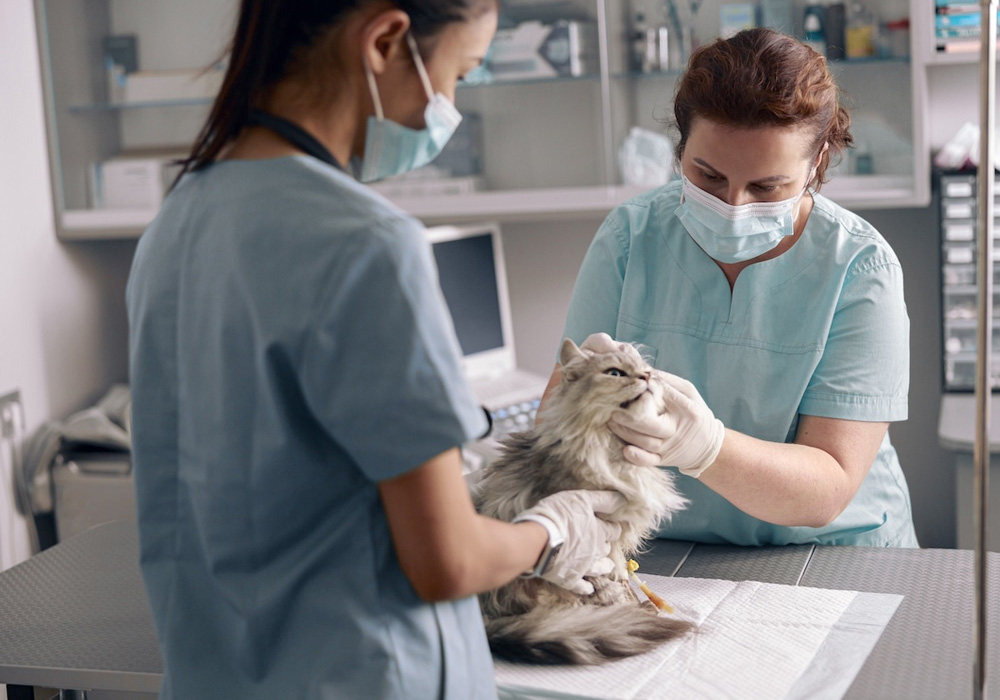
Disability insurance for practicing veterinarians is effective when the policy reflects the physical demands of veterinary work. Veterinary work depends on various hands-on clinical tasks, which are performed during examinations, surgeries, and treatment procedures. These can include:
- Administering medications and vaccines
- Operating veterinary equipment and diagnostic tools
- Examining the mouth, ears, and other areas
- Providing emergency care and responding to urgent medical situations
Income protection is connected to how consistently you’re able to perform these physical responsibilities. This makes disability planning more specialized compared to professions with fewer physical demands; you benefit when coverage reflects the work you perform daily. Many responsibilities involve precision, movement, and repetitive physical activity during patient care. The moment an illness affects those physical duties, income interruption becomes a professional concern. Disability protection directly connects income security to occupation-specific responsibilities; this can support stronger professional stability over time.
When Should You Apply?
Disability planning changes as professional responsibilities become more specialized throughout your veterinary career. A veterinary student entering clinical work may have different needs compared to someone managing an established practice; early planning allows protection to grow alongside changing professional responsibilities. When your insurance coverage reflects your present career stage, you can improve your long-term security.
Internship periods, first employment contracts, and ownership transitions all create changing protection needs. Career growth requires a policy structure that evolves alongside expanding professional obligations. Several stages where disability planning may become more relevant throughout veterinary career progression include:
- Student transition: Coverage begins before entering professional practice
- Internship period: Protection reflects supervised clinical responsibilities
- First employment: Policies align with early work contracts
- Career advancement: Protection expands alongside growing responsibilities
- Practice ownership: Coverage reflects management obligations
How Are Benefits Structured?
A policy’s structure helps determine how disability protection functions when illness or injury interrupts professional responsibilities. It outlines the circumstances under which coverage applies. Waiting periods, benefit durations, and occupation definitions also affect how income protection applies over time. These policy features influence when benefits begin, and they help determine how long they may continue.
When Does Coverage Change?
As you advance in your career, the way you are protected against disability sometimes needs to change. Updates to your policy may become necessary as you take on practice ownership, leadership roles, or increased clinical responsibilities. These adjustments keep your coverage aligned with the demands of your veterinary career, and they provide protection that reflects your current professional situation.
Because your duties may expand over time, reviewing your disability coverage regularly helps identify whether changes are needed. If you add more surgical responsibilities or switch from a small animal focus to a specialty practice, evaluate your coverage. This step makes sure your policy continues to address your professional risks. Maintaining appropriate coverage throughout your career helps support your income protection as your responsibilities, earnings, and work environment change.
Who Provides Guidance?
Professional advice helps with disability insurance planning by using occupation-specific policy structures. Individuals who understand the veterinary profession may better recognize the physical duties that determine insurance protection needs. This creates a stronger connection between policy structures and the demands of veterinary work.
Career changes may require updated disability plans as professional responsibilities continue to grow. Once individuals specialize in clinical work, policy changes become key for enhanced protection. This allows advice to help maintain coverage that matches professional obligations.
Specialized professional recommendations help align policies with veterinary duties, and they support changing disability plans as responsibilities evolve. Because veterinary practices involve unique daily demands, guidance can reflect the needs of the profession. You benefit when recommendations are based on how veterinary work functions each day.
Find Disability Insurance for Practicing Veterinarians
Disability insurance for practicing veterinarians helps protect income stability when illness or injury interrupts the physical responsibilities associated with veterinary work. Improved policy planning supports stronger career protection, and coverage can evolve alongside professional growth and expanding responsibilities. Because veterinary work involves specialized demands, long-term income protection should reflect your profession throughout every career stage for maximum benefit. Consult a specialized disability insurance advisor today to explore coverage designed around veterinary career protection and income stability.