Key Takeaways
- Choose a ring for the wearer’s daily life, not only for a dramatic first impression.
- Set a comfortable budget before comparing diamonds and settings.
- Consider shape, cut, metal, and setting as parts of one overall design.
- Prioritize comfort, durability, and a profile that fits everyday routines.
- Review sizing, certification, service, return terms, and insurance before purchasing.
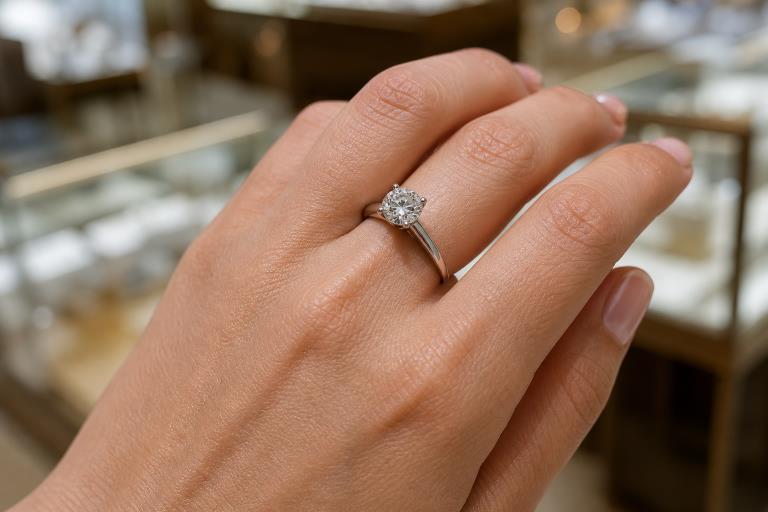
Choosing an engagement ring in Toronto is about more than finding a beautiful design in a display case. The right ring should feel natural during weekday commutes, dinners with friends, winter glove season, weekend walks, and every ordinary moment in between. Exploring a diamond engagement ring toronto collection in person can make it easier to compare proportions, metal colors, and setting heights on an actual hand.
A memorable ring does not need to follow a trend or stretch a budget beyond what feels responsible. The strongest choice reflects the wearer’s style, supports their daily routine, and comes with clear information about the stone, setting, sizing, and long-term care.
Why Real Life Should Guide the Ring Choice
An engagement ring is often worn through work, travel, errands, celebrations, and hands-on tasks. Someone who wears gloves, works with children, uses tools, exercises regularly, or prefers minimal jewelry may be happier with a lower-profile design than a tall setting that catches on clothing. Toronto buyers should also think about how a ring feels when moving between busy workdays and relaxed weekends.
Photos can be useful for narrowing options, but they cannot fully show how a stone looks in varied lighting or how a band feels beside other rings. Try several styles on, move your hand normally, and notice whether the ring turns, pinches, or snags.
Start With Personal Style
Existing jewelry offers practical clues. Look at the pieces worn repeatedly, rather than the pieces saved for special occasions. Notice metal color, design detail, stone size, and whether the wearer leans toward polished simplicity or more decorative looks.
- Classic and simple:A solitaire or understated band may feel timeless and easy to wear.
- Bold and modern:Geometric shapes, wider bands, or distinctive settings may suit a more expressive style.
- Romantic or vintage-inspired:Detailed settings, milgrain, and softer silhouettes can create character.
- Minimalist:A low-profile bezel or clean solitaire can offer a refined everyday look.
- Mixed-metal:Combining metal tones may work well for someone who already wears varied jewelry.
A Discreet Checklist for Surprise Proposals
- Review the jewelry the recipient wears most often.
- Notice whether they favor warm yellow tones, cool white tones, or both.
- Ask a trusted friend or family member for specific, discreet input.
- Save a few examples that reveal shape and setting preferences.
Set a Comfortable Budget First
There is no universal rule for what an engagement ring should cost. Start with an amount that fits current income, savings, debt obligations, wedding plans, housing costs, and other shared goals. A meaningful purchase should not create prolonged financial strain.
Budget Questions to Ask
- Can the ring be purchased without relying on high-interest debt?
- Does the budget leave room for tax, resizing, engraving, insurance, and future maintenance?
- Would a different shape, setting, or stone size better balance appearance and cost?
- Is the payment schedule clear before placing a deposit?
Choose the Stone Shape Before Chasing Size
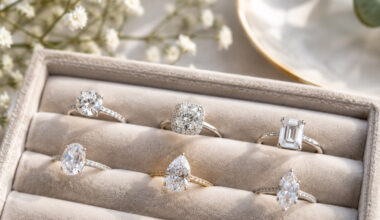
Shape sets the visual direction of the ring, while cut describes how a diamond has been shaped and polished. A round diamond offers a familiar, balanced appearance. Oval and pear shapes have longer outlines, while emerald cuts emphasize clean lines and broad flashes of light. Princess and radiant cuts bring a more angular look.
No shape is automatically best. Compare options on the wearer’s hand and consider the setting around the stone. A smaller stone with appealing proportions can be a better choice than a larger stone that does not match the wearer’s taste.
Understand the Four Cs Without Overcomplicating Them
- Cut:Influences how the diamond interacts with light.
- Color:Describes the presence or absence of visible tint.
- Clarity:Refers to internal characteristics and surface features.
- Carat:Measures weight, not beauty or visible size by itself.
Use the Four Cs as a way to compare options, not as a rigid scorecard. Priorities can change by shape, budget, and personal preference.
Match the Setting to Daily Habits
- Solitaire:Keeps attention on the center stone.
- Halo:Frames the center stone with smaller stones for added visual presence.
- Pavé:Uses closely set stones along the band for a detailed sparkle effect.
- Bezel:Surrounds part or all of the stone with metal for a streamlined appearance.
- Three-stone:Creates balance with a center stone and two side stones.
For active routines, consider how high the ring sits and whether its edges may catch on knitwear, gloves, bags, or workout clothing. A lower setting can be an especially practical option without sacrificing personality.
Pick a Metal That Works With Existing Jewelry
White metals create a cool, bright appearance, while yellow gold brings warmth. Rose gold can add a softer tone, and mixed-metal designs can coordinate with a varied jewelry collection. Consider everyday earrings, watches, bracelets, and necklaces before deciding. Ask about the maintenance needs of the chosen metal and finish, so expectations are clear.
Decide How Much Surprise to Keep
The proposal and the ring decision do not have to be equally secret. Couples can preserve a surprise moment while still sharing useful preferences beforehand.
- Full surprise:One partner chooses every detail.
- Guided surprise:The recipient provides preferences, while the final design remains private.
- Shared decision:Both partners shop and select the ring together.
Ask About Certification, Sizing, and Service
Before buying, ask whether the center stone has an independent grading report, how resizing works, what repairs are available, and whether routine inspections or cleaning are offered. Request the return, exchange, and deposit terms in writing. In Ontario, stores are not generally required to offer returns or exchanges, so reviewing the retailer’s refund, exchange, and warranty terms before purchase is a sensible step.
Plan for Care and Insurance
- Keep receipts, grading reports, photographs, and appraisal documents in a secure place.
- Remove the ring for activities involving impact, harsh chemicals, or a higher risk of loss.
- Clean the ring using methods appropriate for its metal and stones.
- Arrange periodic inspections to check the setting and stones.
- Review insurance options before the ring becomes part of daily wear.
Common Mistakes to Avoid
- Buying based only on carat weight.
- Choosing a trend that does not suit the wearer’s existing style.
- Ignoring comfort, height, and daily activities.
- Skipping the return, resizing, or repair discussion.
- Overlooking insurance and future maintenance.
- Assuming online images show the full look of a ring.
A Simple Buying Checklist
- Set a realistic budget.
- Study personal style and everyday jewelry.
- Compare stone shapes on the hand.
- Select a setting for comfort and protection.
- Choose a metal color that fits the wearer’s collection.
- Review grading, size, care, return, and service details.
Conclusion
The best engagement ring for life in Toronto is one that feels personal, wears comfortably, and respects the buyer’s financial limits. When style, practicality, stone quality, setting protection, and after-sale support are considered together, the final choice can feel both beautiful and well considered.