Understanding the Path to Recovery
Navigating financial distress is a demanding experience that requires clarity, precision, and reliable information. Business owners often find themselves searching for structured paths to regain stability when legacy models falter under economic pressure. By exploring established legal frameworks, leaders can transition from crisis management to long-term sustainability. This guide outlines the essential resources, from official courthouses to practitioner repositories, that help demystify the complex process of corporate restructuring.
1. Official bankruptcy basics from the United States Courts
The United States Courts provide the foundational architecture for understanding the legal nuances of corporate solvency. Their digital portals include comprehensive manuals that explain the differences between liquidation and reorganization. Maintaining an awareness of these primary sources is indispensable for anyone evaluating the future of their business operations.
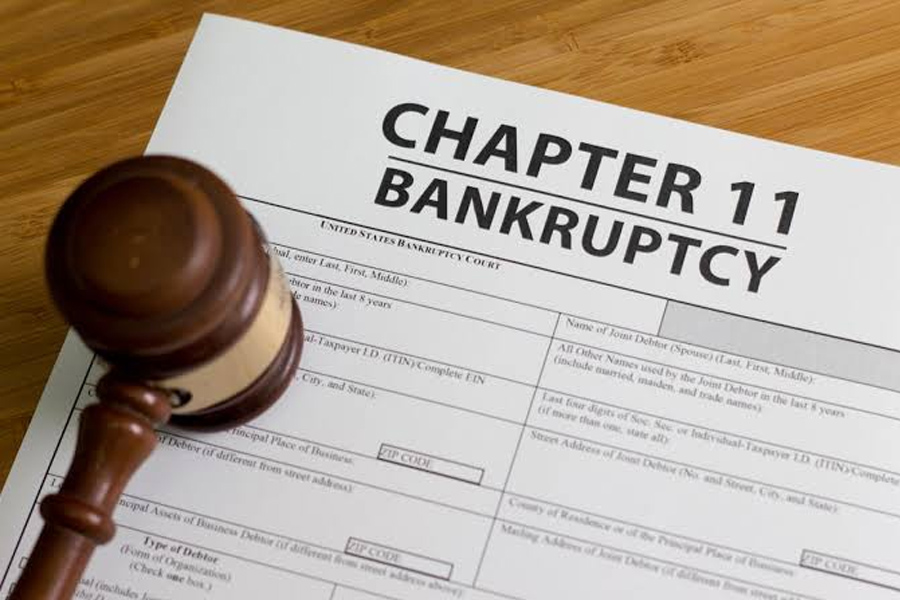
These official documents clarify how a Chapter 11 bankruptcy proceeding functions within the federal system. They detail the petition filing requirements, reporting obligations, and the specific roles assigned to bankruptcy administrators. Accessing this primary source ensures you have an objective starting point before consulting further with financial advisors or legal counsel.
Beyond basic definitions, these resources offer downloadable forms and filing guides that structure the initial steps of the reorganization journey. Reviewing these materials allows business owners to appreciate the rigorous documentation required by the court. If you are struggling with the transition, our agency often utilizes advanced analytics to help businesses assess their fiscal health before and after such significant legal maneuvers.
2. American Bar Association guides on small business reorganization
The American Bar Association curates specialized guides that translate complex code requirements into actionable practice tips. These resources are designed specifically for practitioners and business stakeholders to better navigate the regulatory environment. Utilizing these professional insights helps demystify the procedural hurdles typically encountered in federal bankruptcy courts.
When a business faces debt accumulation, the ABA resources highlight how reorganization can preserve equity while managing liabilities. These guides frequently address the shifting landscape of commercial law, providing context on how to effectively communicate with creditors during the formal reorganization period. Businesses aiming to maintain operations often rely on these structured professional summaries to stay aligned with legal expectations.
Engaging with these materials provides a sophisticated look at the mechanics of debt repayment plans. As an agency that specializes in strategic paid media, we understand that maintaining operational visibility is vital even during challenging restructuring periods. Leveraging well-documented ABA guides can support a proactive strategy for those seeking to retain control of their commercial entities.
3. Practical handbooks for Subchapter V eligibility
Subchapter V was introduced to simplify the reorganization process for smaller businesses, offering a more streamlined and cost-effective approach to debt adjustment. Practical handbooks for this subchapter are essential for owners who want to determine whether they meet the required revenue and debt thresholds. These materials break down the simplified confirmation process, which avoids some of the more elaborate requirements of traditional, larger-scale filings.
Understanding the specific eligibility requirements mentioned in these handbooks is the first step toward effective restructuring. Owners must typically examine their total debt load and verify that it meets the statutory caps for small business debtors. The following list summarizes key criteria often highlighted in these specialized educational resources:
- Aggregate liquidated secured and unsecured debts must fall within specific statutory limits.
- The business must be engaged in commercial or business activities as defined by the code.
- A plan of reorganization must be formally submitted within standard court-mandated timeframes.
- The debtor must demonstrate a viable source of income to support the proposed repayment structure.
After auditing these criteria, business leaders are better positioned to discuss their options with a qualified advisor. Once a company identifies its eligibility path, it can focus on optimizing operational efficiency to ensure the success of the proposed plan.
4. Financial restructuring workbooks for business owners
Financial restructuring requires intense discipline and a clear vision for the company’s future cash flow. Owners should look for practical, step-by-step workbooks that help create detailed budget projections and asset management strategies. These tools allow you to model various scenarios, helping you visualize how reduced debt burdens can translate into long-term functional stability.
In addition to the mathematical modeling of debt, these workbooks often provide templates for communicating financial status to stakeholders. Transparency is a cornerstone of a credible restructuring plan, and utilizing professional-grade budgeting tools will instill confidence in your creditors. The table below illustrates how different financial inputs can be prioritized when drafting a restructuring document.
| Restructuring Component | Impact Level | Primary Objective |
| Debt Refinancing | High | Reduce interest burden |
| Operational Audit | Medium | Cut non-essential costs |
| Revenue Projection | High | Validate future growth |
By systematically evaluating these components, you ensure that every part of your plan is grounded in hard facts. This methodical approach is similar to how we use SEO strategies to refine search traffic visibility; we examine the core metrics and adjust the strategy to maximize output and performance. Owners who approach their financial planning with this level of rigor are significantly more likely to gain court confirmation.
5. Creditor management portals and resources
Maintaining positive relationships with creditors during a reorganization is a delicate balancing act that requires consistent communication. Creditor management portals are essential for uploading required schedules, notices, and plan modifications in real-time. By using these online systems, businesses ensure that all interested parties remain informed about the filing progress, a mandatory aspect of the legal process.
These platforms do more than just act as repositories for filings; they facilitate the secure exchange of information between the debtor and the creditor committee. This transparency helps mitigate suspicion and encourages more constructive negotiations regarding the eventual repayment schedule. Effective communication strategies are essentially about minimizing friction and ensuring that the debtor’s commitments are clearly understood.
When managing your creditors, consider the business’s long-term goals and ensure your communication aligns with your overall message of solvency. Clear, consistent updates foster trust, which is invaluable when requesting extensions or plan amendments. Adopting an orderly approach to creditor relations will ultimately ease the pressure on your internal business administration during the bankruptcy case.
6. Educational guides on the debtor-in-possession process
Being a debtor-in-possession means the business remains under the control of its own board or owners, provided they honor their fiduciary duties. Educational materials on this status explain the debtor’s power and limitations regarding new debt, asset sales, and operational changes. These guides are crucial for avoiding common missteps during the transition time between filing and plan confirmation.
As the debtor-in-possession, you act as a trustee for the estate, which carries significant legal weight. The educational resources explain that you must maintain strict accounting practices and provide ongoing reports to the court. Maintaining this standard is not optional, and failure to comply can lead to the appointment of a separate bankruptcy trustee.
It is wise to align your internal practices with the requirements set forth in these educational materials. By treating the debtor-in-possession role with the seriousness it demands, you preserve your management authority. Business owners who successfully navigate this phase are usually those who prioritize clear documentation and open communication with all court-appointed monitors.
7. Specialized legal repositories for bankruptcy practitioners
For those needing a deeper understanding of the legal mechanics, specialized repositories offer access to comprehensive briefs and filings. These archives are invaluable for examining how other organizations have structured their successful reorganization plans. By analyzing past cases, practitioners can identify strategies that work, refining their approach to meet contemporary court requirements.
These repositories often categorized by jurisdiction, allowing users to view how local bankruptcy judges typically interpret specific sections of the code. This level of granular understanding is a competitive advantage for any legal team or corporate owner in the midst of a case. It transforms the process from an abstract legal exercise into a study of proven precedent.
While these repositories are technical, they are increasingly accessible to business owners working alongside their counsel. Engaging with these documents can help you define the specific questions you need to ask your team throughout the case. Having a firm grasp of the legal environment will empower you to make informed decisions that align with your business’s strategic interests.
8. Strategic planning resources for avoiding liquidation
Avoiding liquidation is the primary goal of any business reorganization effort. Strategic planning resources focus on long-term viability, encouraging owners to look beyond the immediate constraints of the court case to the post-bankruptcy future. These resources combine market analysis, operational efficiency, and capital allocation strategies to build a case for the company’s long-term endurance.
Developing a recovery plan requires a clear-eyed assessment of why the business struggled in the first place. Strategic resources often force leaders to identify these root causes, whether they are operational inefficiencies, market shifts, or capital mismanagement. By addressing these foundational issues, the business creates a legitimate basis for the court to grant an extension or approve a restructuring plan.
Ultimately, surviving a Chapter 11 filing depends on demonstrating growth potential in a reconstructed financial model. The strategic focus should be on creating value that clearly outweighs the debt being restructured. With a robust plan and a commitment to operational discipline, businesses can emerge stronger in their respective markets.
9. Case law archives for understanding precedents
Case law archives provide the final word on how statutes are applied in real-world business scenarios. By studying these precedents, you learn how courts evaluate the reasonableness of reorganization plans and how they handle disputes between secured and unsecured creditors. This archival knowledge is essential for building a predictable, winnable case in court.
Understanding relevant precedents also allows for a more creative approach to plan design. When you see how past courts have approved non-traditional repayment terms, you can better tailor your own proposal to fit your specific cash flow situation. This is not about finding loopholes but about identifying legitimate mechanisms that courts have historically found acceptable and fair.
When building these arguments, ensure your legal team considers the most recent decisions in your jurisdiction. A well-cited plan, built on sound legal history, is much harder for creditors to challenge. This investment in thorough legal research pays dividends by minimizing the likelihood of prolonged conflict during the confirmation process.
10. Professional associations for modern restructuring updates
Staying current with corporate restructuring updates requires engagement with professional associations. These organizations host webinars, annual conferences, and periodic newsletters that cover legislative changes and emerging market trends. By joining or following these associations, business owners can maintain a constant, up-to-date pulse on the legal landscape that affects their industry.
These associations provide a community of experts who understand the nuances of the constantly evolving bankruptcy code. Networking within these groups often leads to recommendations for top-tier legal or financial consultants. Having a reliable professional network makes it easier to find the right help during times of corporate instability.
If you are a business owner needing guidance, reach out to a reputable business bankruptcy lawyer who is active in these circles. They will have direct access to the latest research and can translate complex updates into a simple roadmap for your business. Aligning yourself with professionals who demonstrate this level of industry engagement will support your goals throughout the entire reorganization cycle.
Conclusion
Successfully managing a corporate reorganization requires both legal diligence and a forward-looking strategy that keeps the business viable. By utilizing the resources outlined here—from courthouses to specialized professional associations—you can transform a daunting legal process into a structured path toward financial health. Stay focused on your goals, lean on expert guidance, and always prioritize the operational fundamentals that keep your company moving forward into a stable, profitable future.
Frequently Asked Questions
What is the difference between a Chapter 11 and a Chapter 7 filing?
Chapter 11 is primarily focused on reorganizing business debt to allow the entity to continue operating, while Chapter 7 typically involves the liquidation of assets to pay creditors and the permanent closure of the business.
Do I need a lawyer for a reorganization case?
While a business owner can technically represent their company, the complexity of federal bankruptcy court procedures and the requirement to act as a fiduciary generally make hiring an experienced attorney critical to achieving a successful outcome.
Can my business continue to operate during the bankruptcy process?
Yes, the default status in Chapter 11 is ‘debtor-in-possession,’ which allows the existing management team to retain operational control while working under court supervision to finalize a plan of reorganization.
How long does the reorganization process typically take?
There is no fixed timeline, as the duration depends on the complexity of the business’s debts, the cooperation of the creditor committee, and the specific requirements set by the presiding judge in the bankruptcy court.
What is a disclosure statement in this context?
A disclosure statement is an essential document filed with the court that provides creditors and the judge with enough financial information and history to enable them to make an informed judgment about the proposed plan of reorganization.
Can an individual file for this type of bankruptcy?
Yes, although it is most commonly used by corporations and partnerships, individuals whose debt load exceeds the limitations for other bankruptcy chapters may also choose to file under this section of the code.
What happens if the court rejects my plan of reorganization?
If a plan is rejected, the debtor may be given an opportunity to modify it to address the specific concerns raised by the court or the creditors, or in severe cases, the court may convert the filing into a Chapter 7 liquidation.