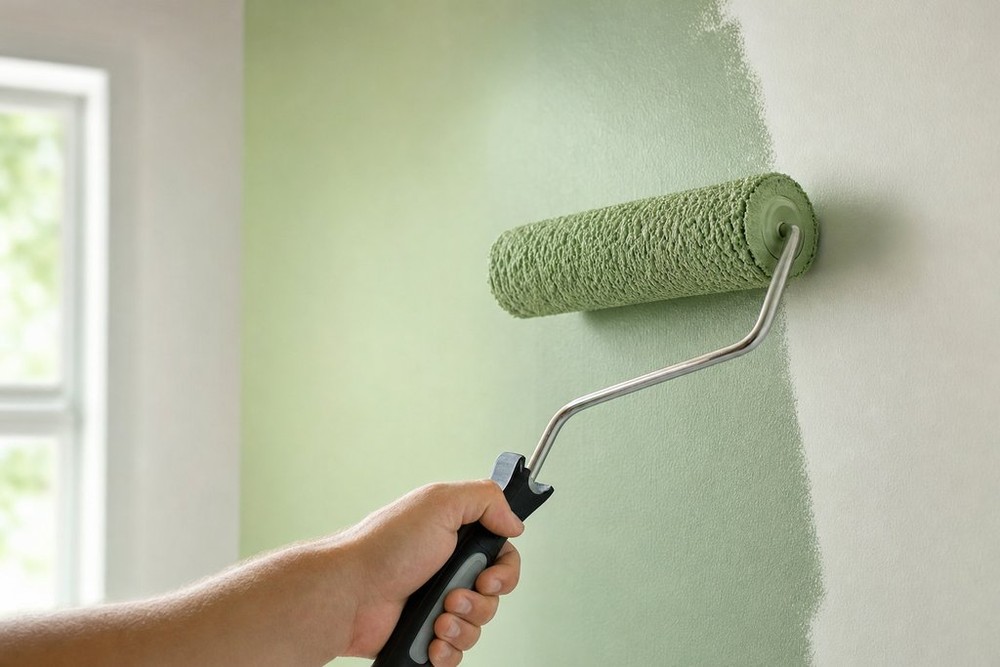
Painting a room doesn’t take long, but getting good results isn’t always easy. Your roller frame, the part that connects your paint roller cover to your hand, has an impact on ease of use, quality of coverage, and even ease of cleanup. Here’s what to look for when shopping for a High Quality Roller Frames.
The Roller Cover Is Only Part of the Setup
It’s tempting to focus your attention on roller covers, since that’s the part that makes direct contact with your paint and your walls, but roller frames are just as important. Frames provide structure and stability to roller covers and help you apply even pressure to walls, ceilings, and other surfaces, a role that High Quality Roller Frames are designed to handle consistently.
If your roller cage is wobbly or uneven, your roller cover may not lay flat against your wall, spin smoothly, or provide even coverage. This is especially noticeable on large walls, where you might see lap marks and other imperfections after the paint dries. It’s also worth considering if you plan to use your paint roller on ceilings, since you don’t want to be fighting with a wobbly roller frame while already dealing with the strain of painting with your arms overhead.
What Should You Look for in a Roller Frame?
Keep an eye out for roller frames with these features:
- A cage that keeps your roller cover in place
- A frame that spins smoothly for even coverage
- A comfortable, stable handle
- Threading for attaching an extension pole
- Metal construction that won’t bend under pressure
Roller frames come in a variety of sizes. Wider 9 inch Roller Frames are a popular choice for painting walls, since they allow you to cover a large area efficiently, but narrower frames may make it easier to paint around doors, cabinets, and other tight areas. Wider frames may be better for large, open areas. You want to find a roller frame that feels balanced and comfortable in your hand. If it doesn’t feel right before you start painting, chances are it won’t feel better after you’ve used it to go back and forth over your walls again and again.
Matching the Roller Frame to the Project
Different surfaces, like walls with texture, ceilings, smooth drywall, and exteriors, all have different demands on your roller. You want a sturdy frame to support a heavier roller cover and keep it spinning smoothly as you push it over rough or textured surfaces. On smoother surfaces, you may appreciate a roller frame that keeps your roller cover stable so you can apply lighter pressure.
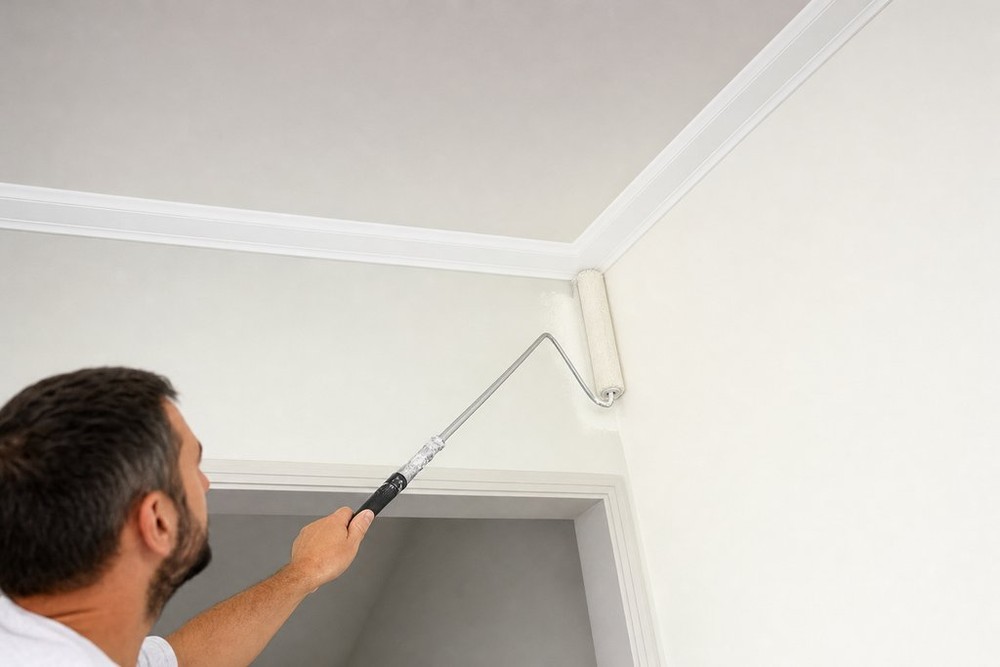
Think about where you’ll be painting, too. You might be able to move around your walls freely in one room, but in another you might be dealing with tight corners, stairwells, and ceilings that require extra control and reach. An extension pole can make these projects easier, but you’ll want to make sure your roller frame is sturdy enough to stay put when it’s under extra pressure. Can you trust your frame to feel as stable out of reach as it does within arm’s length?
Getting More From Your Roller Frame
Paint, as described at britannica.com/technology/paint, is not always the reason an application goes wrong; sometimes we blame ourselves or the paint when the roller frame is actually the problem. If your roller cage doesn’t keep your roller cover firmly in place, you may notice that it squeaks, sticks, or slides to one side as you’re painting, making it harder to get a good rhythm going.
Before you start painting, slip your roller cover onto the cage and make sure it’s secure and spins freely. Attach your handle or extension pole (if you’re using one) and make sure it’s firmly attached to the roller frame. Give your roller a test spin on a piece of scrap material or somewhere out of sight to make sure everything’s working the way it should.
After you’re done painting, clean excess paint off your roller frame as soon as possible. If paint dries in your roller cage, it could keep your roller cover from spinning freely next time. Store your roller frame somewhere dry so it stays in good shape for future painting projects. If your roller frame bends out of shape, it may never lay flat against your walls again.
If you’re changing paint colors, going from primer to paint, or changing naps, a quick-release cage can save you time.
Instead of pulling and twisting roller covers off of cages (which can warp them over time), quick-release rollers make changing covers easy and fast.
A More Reliable Finish
Buying a High Quality Roller Frames is an affordable way to make your next painting project faster, easier, and less tiring, and to help you get better results, too. Find the right roller frame size and style for your project, and test it out to make sure everything works well before you crack open that can of paint.