Key Takeaways
- Delivery truck crashes can involve drivers, employers, contractors, vehicle owners, maintenance providers, and insurers.
- A company logo does not always identify the responsible party or applicable insurance policy.
- Photos, witness details, crash reports, dashcam footage, GPS data, and delivery records can help preserve evidence.
- Commercial insurance coverage may depend on the driver’s work status, vehicle ownership, and policy terms.
- Texas negligence and proportionate-responsibility rules can affect who pays and how much may be recovered.
- Prompt medical care, documentation, evidence preservation, and legal guidance can help protect a potential claim.
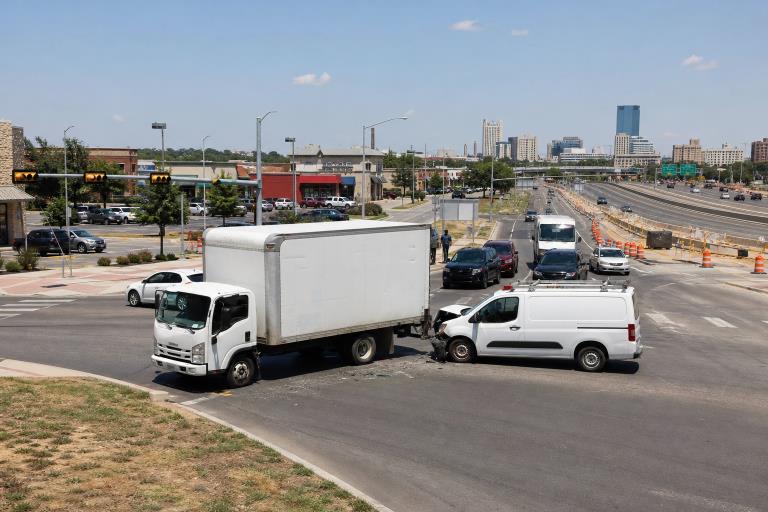
In Fort Worth, delivery vehicles share crowded streets with commuters, school traffic, construction zones, and fast-moving highway corridors such as I-35W, I-30, and Loop 820. After a collision involving a van, box truck, or other delivery vehicle, the first challenge is often figuring out who actually controlled the vehicle and which insurance policy applies. People looking into Truck Accident Lawyers Fort Worth may find that these crashes raise more questions than an ordinary two-car wreck. A logo on the side of a delivery truck does not necessarily identify the driver’s employer, the vehicle owner, or the company that bought the applicable insurance coverage. A careful evidence map can help organize the facts early, before the video is overwritten, vehicles are repaired, and witnesses become difficult to locate.
Why These Fort Worth Delivery Crashes Need a Closer Look
Fort Worth delivery traffic can involve national retailers, regional logistics companies, local contractors, rental fleets, and independent drivers working through an app or service agreement. One company may schedule the route, another may own the truck, and another may handle claims. This layered arrangement makes it important to investigate rather than assume that the most visible company is legally responsible. For example, a branded delivery van may be driven by a contractor, leased from a fleet company, loaded at a separate warehouse, and insured under a commercial policy. Each relationship may matter if the crash involved driver conduct, poor maintenance, overloaded cargo, or pressure to complete a route quickly.
What to Do First After the Collision
- Move out of immediate danger if it is safe to do so.
- Call 911 when someone is hurt, traffic is blocked, or the damage is significant.
- Seek a medical evaluation, including for pain or symptoms that appear later.
- Photograph vehicle positions, damage, plates, company markings, debris, lane lines, and traffic signals when safe.
- Get the driver’s name, contact information, insurance information, and employer details if available.
- Write down what happened, including the time, location, direction of travel, and statements made at the scene.
How to Build an Evidence Map
An evidence map connects available information to three central questions: What caused the crash, who controlled the delivery operation, and what coverage may be available? In Fort Worth, this can be especially important near busy intersections, warehouse areas, residential delivery routes, and highway access roads, where there may be multiple sources of video.
Scene and Vehicle Evidence
- Photos of all vehicles, visible damage, skid marks, debris, weather, and lighting.
- The delivery vehicle’s license plate, unit number, fleet number, and any Department of Transportation markings.
- Witness names and contact details, including nearby drivers or business employees.
- The police crash report. Eligible people can obtain a Texas Peace Officer’s Crash Report through TxDOT’s crash report processafter it becomes available.
Digital Evidence
- Dash-camera footage from either vehicle.
- Video from nearby homes, stores, intersections, or parking lots.
- Vehicle camera footage, GPS data, electronic logs, and telematics records.
- Dispatch communications, route assignments, delivery scans, and driver messages.
Preservation matters because many digital systems retain recordings only for limited periods. Prompt written requests to preserve relevant records may help prevent important material from being lost.
Finding the Responsible Parties
Not every delivery crash involves multiple liable parties, but several entities may warrant review. The driver may be responsible for unsafe speed, distraction, failure to yield, or an unsafe turn. An employer or contracting company may be relevant if it directed the work or the driver was performing job duties. The vehicle owner, maintenance provider, cargo loader, or another motorist may also be involved, depending on the evidence. The key is to match the claim to the facts. A tire or brake issue may lead to questions about inspection and maintenance. Cargo that shifts during a turn may raise questions about loading. A collision during a delivery route may require examination of the work arrangement and the company’s level of control.
Insurance Questions After a Fort Worth Delivery Truck Crash
Commercial policies can differ substantially from personal auto insurance. Coverage may depend on vehicle ownership, whether the driver was on an active delivery, the terms of a lease or contractor agreement, and policy exclusions. More than one insurer may contact an injured person, but that does not automatically establish which company will pay. Provide truthful basic information, but use caution before giving a recorded statement, signing a broad medical authorization, or accepting a release. A settlement can affect the ability to seek additional payment later. Uninsured or underinsured motorist coverage under the injured person’s own policy may also be worth reviewing when the at-fault party’s coverage is disputed or insufficient.
Texas Law Factors That May Affect a Claim
Texas claims turn on negligence commonly, meaning whether a person or company failed to use reasonable care under the circumstances. Texas also uses proportionate responsibility to allocate fault among more than one party. Under the state’s proportionate-responsibility rules, a claimant generally cannot recover damages if found more than 50 percent responsible for the harm. Deadlines matter as well. Texas law generally provides a two-year limitations period for many personal injury and property damage claims, although exceptions apply. The current text of Texas limitations law should be reviewed alongside the specific facts, especially when a government vehicle, a fatal crash, a minor, or another special circumstance is involved.
Common Mistakes That Can Weaken a Claim
- Assuming the visible delivery logo identifies the correct legal entity.
- Failing to photograph plates, unit numbers, and vehicle markings.
- Delaying medical care or missing recommended follow-up treatment.
- Giving inconsistent statements to multiple insurance representatives.
- Posting detailed crash or injury updates on social media.
- Repairing, selling, or disposing of damaged property before documenting it.
- Waiting until evidence disappears or a filing deadline approaches.
Potential Compensation
Depending on the evidence, fault findings, injuries, and available insurance, a claim may seek economic losses such as emergency care, hospital bills, rehabilitation, medication, lost income, reduced earning capacity, and vehicle damage. It may also seek non-economic damages for physical pain, mental anguish, impairment, disfigurement, and loss of normal activities. No category of damages is automatic, and documentation is essential.
Step-by-Step Checklist
- Prioritize safety and emergency medical care.
- Document the scene and the delivery vehicle.
- Collect witness information and save phone or dash-camera footage.
- Request the crash report when it is available.
- Identify the driver, employer, vehicle owner, and insurers.
- Keep medical records, receipts, repair estimates, and wage documentation.
- Track deadlines and act quickly to preserve video and business records.
Frequently Asked Questions
Does the delivery company always pay?
No. Responsibility can depend on the driver’s conduct, work status, vehicle ownership, contractual relationships, maintenance history, and insurance terms.
What if the driver works for a contractor?
A contractor label does not resolve every issue. The actual relationship, control over the work, vehicle ownership, and circumstances of the trip may all matter.
What if the delivery vehicle leaves the scene?
Call law enforcement and preserve every available clue. A partial plate, fleet number, witness account, nearby camera, or distinctive damage pattern may help identify the vehicle.
Conclusion
A delivery truck crash in Fort Worth can involve far more than the driver in the seat. Depending on the circumstances, the investigation may involve the trucking company, delivery contractor, vehicle owner, maintenance provider, insurer, or other parties connected to the vehicle’s operation. Starting with safety, medical care, photographs, witness information, and prompt record preservation gives injured people a clearer path to identify the relevant businesses, insurance policies, and legal issues. Important records may include vehicle maintenance histories, delivery schedules, driver logs, employment information, and available video footage. The earlier the evidence is organized, the easier it is to understand what happened on a Fort Worth roadway and what to investigate next. Because evidence can become harder to obtain with time, prompt documentation and appropriate legal guidance can be important after a serious delivery truck collision.