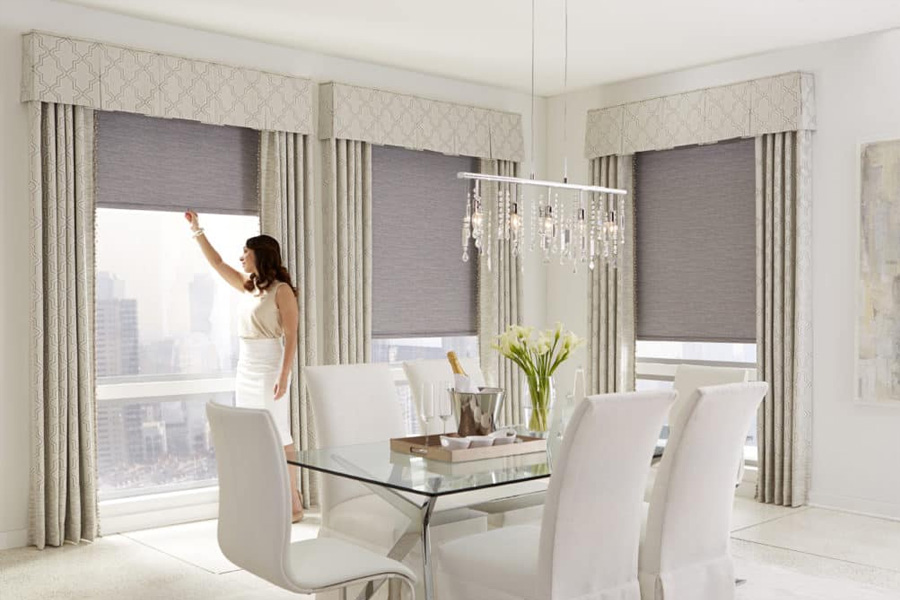
A window covering that performs well in a quiet bedroom may be frustrating in a busy kitchen or humid bathroom, says Yourway Properties, a trusted provider of Rochester property management. Rooms expose materials to different conditions, including cooking residue, moisture, direct sunlight, frequent handling, and changing temperatures. Selecting the same material throughout a house for visual consistency can therefore create maintenance or performance problems later.
Material choice affects much more than appearance. Some surfaces tolerate routine wiping, while others need gentler care. Window Treatments should be selected according to the conditions around each opening, especially in rooms where humidity, splashes, grease, or repeated daily operation are normal.
A room-by-room approach makes those decisions easier because it starts with practical demands rather than a preferred finish. Homeowners considering products through AAA Blind & Shutter Factory can first identify how each space is used, how frequently the covering will be handled, and what type of cleaning it is likely to require. Those observations provide a useful basis for comparing materials.
Kitchens Put Cleaning and Moisture Resistance to the Test
Kitchen windows encounter conditions that are uncommon in many other rooms. Steam from cooking raises moisture levels, airborne grease settles on nearby surfaces, and windows close to sinks may receive occasional splashes. A material that looks attractive but requires delicate cleaning may become difficult to maintain in this environment.
Location within the kitchen matters as much as the room itself. A window several feet from food preparation areas experiences less residue than one beside a cooktop or sink. The closer the covering is to active work areas, the more useful a wipeable surface becomes.
Homeowners should also examine edges, joints, and operating components rather than focusing only on the face of the material. Residue tends to collect in corners and around frequently touched controls. Simple surfaces with accessible parts make routine cleaning less demanding.
Bathrooms Require Careful Attention to Repeated Humidity
Bathrooms create recurring moisture through showers, baths, and general daily use. Even where ventilation removes humidity fairly quickly, window coverings may still experience repeated cycles of damp and dry conditions. Materials that react poorly to moisture deserve careful consideration in these spaces.
Window Treatments made from moisture-resistant materials are usually easier to manage around bathroom openings than products that require consistently dry conditions. Privacy remains part of the decision, but the covering must also tolerate the environment in which it operates. A suitable design should not require homeowners to choose between practical maintenance and adequate screening.
AAA Blind & Shutter Factory may be one resource considered when comparing material choices for rooms with regular moisture exposure. Homeowners can describe how close the window sits to a shower, bath, or sink instead of treating every bathroom as identical. Direct exposure and occasional humidity present different maintenance demands.
Living Rooms Need Materials That Work With Changing Sunlight
Living rooms often contain some of the largest windows in a house. Those openings may receive strong sunlight for several hours, placing the covering and nearby furnishings under repeated light exposure. Material, color, and finish all influence how the window area looks as daylight changes.
A very dark finish may create strong contrast around a bright opening, while lighter surfaces can reflect more light into the room. Neither approach is automatically correct. Wall colors, flooring, furniture, and the direction of incoming sunlight determine how a finish appears in its actual setting.
Viewing a sample near the intended window is useful for this reason. Artificial lighting in a showroom or photograph cannot reproduce every daylight condition. Checking a material during both brighter and softer periods gives a more realistic idea of how it will relate to the room.
Bedrooms Benefit From Quiet and Convenient Daily Operation
Bedroom coverings are typically adjusted at predictable times, often shortly after waking and before sleeping. That repeated routine makes simple operation worth considering alongside material and appearance. Controls that are awkward to reach can become irritating even if the covering otherwise suits the room.
Privacy and light management also influence material choice. A bedroom facing an active outdoor area may require greater screening than an upper-level window with limited outside visibility. The amount of morning or evening sun reaching the opening can further change how the material performs.
Cleaning needs tend to be less demanding than in kitchens or bathrooms, so homeowners may have greater freedom to consider materials chosen partly for appearance. Even then, dust accumulation and ease of surface care deserve attention, particularly in rooms where coverings contain many horizontal edges.
Home Offices Place Different Demands on Window Coverings
A home office may remain occupied for many consecutive hours, which makes changing daylight more noticeable. Sunlight that causes no problem at breakfast can reach a computer monitor later and create distracting reflections. Adjustable coverage becomes useful when the room needs daylight without direct glare.
The material should also suit frequent handling if settings change several times during a working day. Controls and movable parts experience more use in this situation than coverings that remain in one position. Ease of operation becomes part of material selection rather than an afterthought.
AAA Blind & Shutter Factory can be included when comparing options for openings affected by screen placement and changing daylight. Before selecting a material, it is useful to observe when direct sunlight reaches the desk and whether the window appears in the monitor’s reflection. These details define the actual problem the covering needs to address.
Children’s Rooms and Busy Spaces Need Practical Surfaces
Frequently used rooms expose window coverings to more contact. Fingerprints, dust, accidental marks, and repeated adjustment make complicated cleaning routines less practical. Surfaces that tolerate straightforward care fit these conditions better than finishes that need delicate treatment after ordinary contact.
Operating design also deserves attention in spaces used by children. Loose or easily accessible cords may create avoidable concerns, so households often consider cordless operating systems where appropriate. The exact choice should suit the window dimensions and how occupants use the room.
Material durability should not be confused with hardness alone. A surface can resist routine cleaning yet still contain operating parts that require sensible handling. Looking at the entire product, including controls and connection points, provides a better assessment than judging the main slats or panels by themselves.
Laundry and Utility Rooms Favor Easy-Care Materials
Utility spaces rarely receive the same decorative attention as living rooms, but their conditions may be harder on window coverings. Humidity, cleaning products, dust, and frequent household activity can make delicate surfaces inconvenient. Easy maintenance usually deserves greater weight in these areas.
Window Treatments for utility rooms should be evaluated according to their proximity to sinks, appliances, and work surfaces. A covering near a laundry sink faces different exposure from one installed high above a dry storage area. Matching the material to the specific location prevents the room label from becoming the only selection criterion.
Simple access matters as well. Shelving, appliances, and storage units may make a window difficult to reach after the room is fully arranged. Controls should remain usable without requiring occupants to move equipment or stretch across work surfaces.
Sunrooms and Bright Areas Need More Than an Attractive Finish
Rooms with extensive glazing can expose coverings to strong light for long periods. The intensity and direction vary through the day, so materials and finishes should be viewed under actual conditions whenever possible. A small sample may appear very different when repeated across several large windows.
Heat near the glass also deserves consideration. Window areas receiving direct sun can feel noticeably warmer than the center of the room. Materials should suit those conditions without relying solely on their decorative appearance.
For homeowners comparing options through AAA Blind & Shutter Factory, mapping the strongest periods of sunlight can make product discussions more useful. Note which openings receive direct exposure and when it occurs. This information separates windows with demanding conditions from those that need only ordinary light and privacy control.
Cleaning Requirements Should Influence the Purchase Decision
Maintenance is easiest to evaluate before installation rather than after dirt becomes visible. Consider how each surface is cleaned, whether moisture is appropriate, and how easily dust can be removed from edges and moving components. Complex shapes may require more time than broad, accessible surfaces.
The frequency of cleaning depends partly on room conditions. Kitchen coverings may need attention for residue, while bedroom coverings are more likely to collect ordinary household dust. A material that is manageable in one setting can become inconvenient when placed in another.
It is also worth considering access. Tall windows, furniture, counters, and deep sills may make regular cleaning harder. Choosing a material that requires frequent detailed care for an inaccessible opening creates a maintenance burden that could have been identified beforehand.
Match the Material to the Room Instead of the Room to the Material
Using one covering material throughout a house may create visual consistency, but consistency should not override practical room conditions. Moisture, direct sunlight, cleaning demands, frequency of operation, and access all change from one space to another. Those differences explain why a material suited to a bedroom may not be the sensible choice beside a kitchen sink.
Start by identifying what each opening experiences during normal use. Look at humidity sources, direct sun, nearby work areas, furniture, and how often occupants adjust the covering. These observations provide clearer selection criteria than appearance alone.
A coordinated home does not require every window to use identical materials. Related colors, proportions, or finishes can create continuity while allowing individual rooms to receive coverings suited to their conditions. Matching materials to real exposure makes daily operation and maintenance easier without giving up a connected interior design.