Few parts of the country reward slow travel the way the southern Appalachians do. The North Carolina mountains sit far enough from the interstate rush to feel genuinely separate from ordinary life, yet close enough to reach in an easy morning of driving from most of the Southeast. Cool air, long ridgelines, two-lane roads that bend instead of racing, and small towns that still run at their own pace all combine into a trip that feels restorative rather than exhausting. Getting the most out of that region takes a little forethought, though. The people who come home relaxed are usually the ones who thought about timing, distance, weather, and pace before they ever packed the car.
What Shapes the Quality of a Mountain Trip
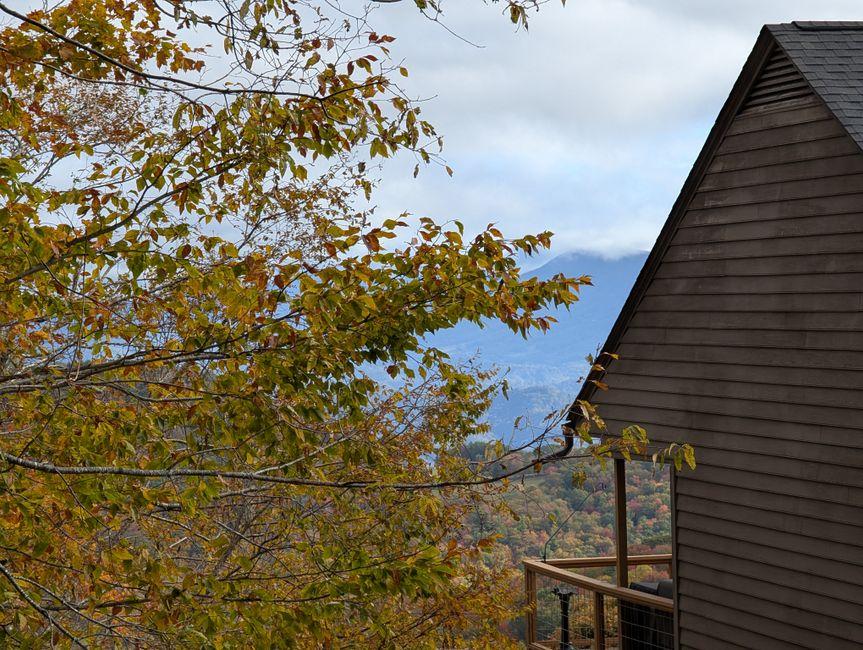
Travel in this part of the state runs on a different logic than a city break, and the place you sleep carries far more weight than most visitors expect. Cabins sit at the center of that difference, because they hold the deck where you drink your coffee, the fireplace you gather around at night, and the driveway that determines how easily you come and go each morning. When cabins are chosen carelessly, the whole week bends around the problem, from cramped evenings to long drives every time someone wants groceries. Mountain Country Cabin Rentals offers cabins in North Carolina mountains that range from one-bedroom retreats to six-bedroom lodges near Murphy. Guests can also choose properties with lakefront views, hot tubs, fire pits, and pet-friendly policies, so the space fits the group instead of the group adjusting to the space.
Picking the Right Time of Year
Seasons carry more weight here than they do at sea level, and the same road can feel like two different places six weeks apart. Early spring brings thin crowds, cold mornings, and the first green working its way up the slopes. Summer holds steady, comfortable temperatures well after the lowlands turn heavy and humid, which is why so many families treat the region as their annual escape from the heat. Autumn is the busiest stretch by a wide margin, since color moves down the elevations over several weeks and draws visitors from every direction. Winter thins everything out again and rewards anyone who does not mind bare trees, since the ridges become visible through the empty branches and the quiet is nearly complete. Booking well ahead matters most in fall, but every season fills faster than people assume.
Understanding Mountain Distance
Mileage means something different once the terrain starts climbing, and travelers who plan by map distance alone tend to spend the first day frustrated. A drive that looks like twenty minutes on a screen can take twice that in practice, because the roads curve constantly, climb steadily, and rarely allow a straight run. Building extra time into every leg of a trip solves most of that frustration before it starts. It also helps to check the last stretch of any route, since paved highways sometimes give way to gravel or steep private drives near the top. Cell service comes and goes at higher elevations, so downloading maps ahead of arrival is worth the two minutes it takes.
Dressing for Air That Changes Fast
Weather in the highlands does not follow the forecast you read at home, and elevation alone can account for a noticeable drop in temperature. Layers solve nearly every version of this problem. A warm afternoon can turn cold within an hour of sunset, and a clear morning can give way to fog that settles into the valleys and stays for hours. Rain arrives quickly in summer and leaves just as fast, so a light shell is more useful than a heavy coat for most of the year. Sturdy shoes matter too, since even short walks around town involve uneven ground, and trails stay damp long after the rain has passed.
Filling Your Days Without Overfilling Them
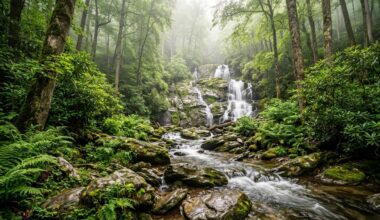
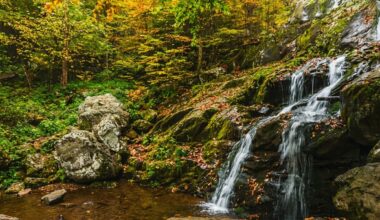
The best itineraries in this region leave room to change their own minds. Hiking draws most visitors first, and the trail network covers everything from flat river walks to serious climbs that take the better part of a day. Water plays a large role as well, with rivers, lakes, and waterfalls scattered throughout the western counties for paddling, fishing, and swimming in warmer months. Scenic driving deserves a place on the list in its own right, since some of the finest views in the state come from pull-offs rather than summits. Small downtowns supply the rest, with local restaurants, craft shops, and weekend markets that reward an unhurried afternoon.
Traveling With Family, Friends, or Pets
Group dynamics determine a surprising amount of how a mountain trip feels. Larger parties do better when everyone agrees early on what the week is for, because a group split between hard hiking and total rest tends to satisfy nobody. Children handle mountain travel well as long as drives are broken up and the days are not stacked too tightly. Dogs do even better, given how much of the region is outdoors, though leash rules and trail restrictions vary from one property and park to the next. Confirming those details ahead of time prevents the kind of surprise that reshapes an entire afternoon.
Small Habits That Improve the Whole Week
Comfort in the mountains usually comes from preparation rather than expense. Bringing groceries for the first night removes the pressure of finding dinner after a long drive, and stocking basic breakfast items sets an easy tone for the mornings that follow. Learning the heating, lighting, and outdoor setup on arrival prevents fumbling in the dark later. Setting aside one or two simple rituals, whether that is coffee outside at sunrise or a fire every evening, does more for the memory of a trip than any packed schedule. Above all, leave gaps in the plan. The quiet, the air, and the view handle the rest without any help.