Key Takeaways
- Consistent daily care helps protect teeth, gums, and breath.
- Brushing cleans important surfaces, but cleaning between teeth matters too.
- Frequent sugar, acidic drinks, dry mouth, and teeth grinding can raise oral health concerns.
- Bleeding gums, pain, swelling, and lasting sensitivity deserve attention.
- Regular dental visits can identify concerns before they become more difficult to manage.
From busy school mornings to weekend trips around Colonial Williamsburg, oral care can be easy to put off. Still, a healthy mouth is usually built through small routines repeated every day, not through occasional bursts of effort.
For Williamsburg, Virginia, residents who are overdue for a checkup or have noticed changes in their mouth, speaking with a dentist in Williamsburg can provide guidance tailored to their personal health history, symptoms, and goals.
Start With the Basics
Plaque is a sticky film that forms on teeth and gathers near the gum line. When it is not removed regularly, it can contribute to tooth decay and gum disease. Early problems may not always hurt, which is why steady prevention matters. Aim for progress, not perfection. A routine that is realistic enough to repeat is the one most likely to help.
Build a Simple Daily Routine
A practical morning and evening routine includes brushing with fluoride toothpaste, cleaning between teeth, and rinsing when appropriate. The daily oral hygiene habits recommended by the National Institute of Dental and Craniofacial Research emphasize brushing twice daily and cleaning between teeth each day.
- Brush gently for about two minutes.
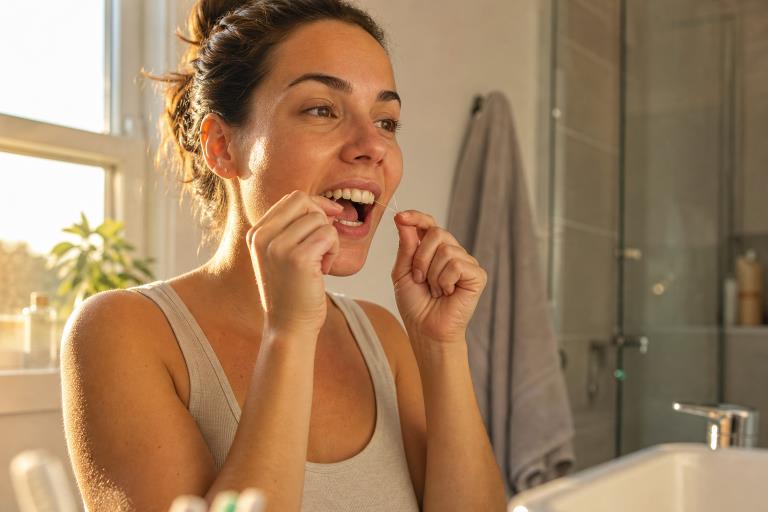
- Clean between teeth with floss, interdental brushes, picks, or another suitable tool.
- Brush the tongue lightly if it is comfortable.
- Rinse the toothbrush and allow it to air-dry.
- Replace a worn toothbrush or brush head.
Make Brushing More Effective
A soft-bristled toothbrush is a sensible choice for most people. Use light pressure and a slow, organized pattern that reaches the outer, inner, and chewing surfaces of every tooth. Give extra attention to the back molars, the gum line, and the area behind the lower front teeth. An electric toothbrush may be useful for people who struggle with timing, have limited hand movement, or have difficulty maintaining consistent technique.
Clean Between Teeth in a Way That Works
Toothbrush bristles cannot completely clean the tight spaces between teeth. String floss can work well for close contacts, while interdental brushes may suit larger spaces. Floss picks can be convenient, and water flossers may be helpful for some people, including those with certain dental appliances. Use the tool you can handle consistently. If gums bleed during cleaning, continue gently for several days and arrange a dental evaluation if bleeding persists.
Watch the Sugar and Acid Clock
Frequent sipping and snacking can expose teeth to repeated acids. Soda, energy drinks, sports drinks, sweet tea, juice, and sugary coffee drinks are common examples. Choose water between meals when possible, and avoid stretching one sweet drink across several hours. After eating acidic foods or drinking acidic drinks, rinse with water. Do not brush immediately after vomiting or significant acid exposure, because tooth surfaces may be temporarily softened.
Choose Foods That Support a Healthy Mouth
There is no need for a rigid eating plan. Instead, build more mouth-friendly choices into familiar Williamsburg meals and snacks. Crunchy vegetables, fresh fruit, plain yogurt, cheese, eggs, beans, and nuts can fit a balanced diet when appropriate for your needs. Water supports saliva flow and helps wash away food particles. Sticky sweets can remain on teeth longer, so consider swaps such as cheese, fruit, or unsweetened yogurt.
A simple day might include eggs and fruit at breakfast, water with lunch, vegetables and hummus as a snack, and a balanced dinner followed by water instead of a sugary nightcap.
Notice Signs That Need Attention
Do not ignore bleeding or swollen gums, persistent bad breath, a lasting bad taste, new sensitivity, pain while biting, a loose or cracked tooth, or a damaged filling. Swelling in the gums, jaw, or face also needs prompt attention. A sore, lump, or other mouth change that does not heal should be evaluated by a dental or medical professional.
Know When a Dental Problem Is Urgent
Some issues can wait for a scheduled appointment, but severe swelling, trouble breathing or swallowing, uncontrolled bleeding, facial trauma, or intense pain may require urgent care. Contact a dental professional promptly and seek emergency medical help if symptoms are severe or affect breathing or swallowing.
Do Not Overlook Dry Mouth
Dry mouth can feel sticky, make swallowing uncomfortable, and increase the risk of dental problems because saliva helps protect the mouth. Medications, dehydration, tobacco, alcohol, and some health conditions can contribute. Sip water regularly and consider sugar-free gum if it is appropriate for you. Ongoing dry mouth is worth discussing with a dentist or physician. Avoid relying on sugary mints throughout the day.
Protect Teeth From Daily Wear
Clenching or grinding may lead to morning jaw soreness, headaches, chipped teeth, or flattened tooth edges. Avoid using teeth to open packages, cut tape, or crack hard objects. If you play contact sports, wear a properly fitted mouthguard. People who chew ice, pens, or fingernails can reduce avoidable pressure by replacing the habit with gum or another safer option.
Keep Preventive Visits on the Calendar
Routine visits may include an exam, cleaning, gum assessment, X-rays when needed, and recommendations based on individual risk. The right schedule varies by age, oral health history, medical conditions, medications, and current treatment needs. As NIH guidance on keeping your mouth healthy explains, regular professional care supports prevention alongside home habits.
Give Children a Head Start
Children often need help brushing until they have the coordination to do it thoroughly. Keep brushing times predictable, let them choose a safe toothbrush color or toothpaste flavor, and encourage water instead of frequent sugary drinks. Ask a dental professional about concerns such as thumb-sucking, pacifier use, mouth breathing, or a need for a sports mouthguard.
Common Oral Health Questions
Is brushing once a day enough?
Brushing twice daily is a stronger routine for most people, especially brushing before sleep.
Should flossing happen before or after brushing?
Either order can work if cleaning between teeth is thorough and consistent.
Can sensitive teeth improve on their own?
Mild sensitivity has several possible causes, but persistent or worsening sensitivity should be evaluated.
Create a Seven-Day Oral Health Reset
- Day One:Replace a worn toothbrush.
- Day Two:Add focused nighttime brushing.
- Day Three:Try a comfortable between-teeth cleaning tool.
- Day Four:Replace one sweet drink with water.
- Day Five:Note any bleeding, sensitivity, or jaw discomfort.
- Day Six:Clean and store oral care tools properly.
- Day Seven:Schedule care if you are overdue or if your symptoms remain.
End With a Clear Action Plan
Choose one habit to improve today. Set an evening reminder to brush and clean between teeth, keep water nearby at work or school, and write down symptoms rather than waiting for them to worsen. Simple actions, repeated over time, can help Williamsburg residents protect their smiles throughout 2026 and beyond.
Conclusion
Maintaining good oral health in Williamsburg does not require complicated routines. Consistent brushing with fluoride toothpaste, cleaning between teeth, making thoughtful food and drink choices, and keeping regular dental visits can help support healthy teeth and gums over time. Paying attention to changes such as persistent bleeding, swelling, pain, sensitivity, bad breath, or damaged teeth is also important because these signs may require professional evaluation. Limiting frequent exposure to sugary or acidic drinks, managing dry mouth, and protecting teeth from grinding or other avoidable wear can further support daily care. Children may also benefit from consistent guidance and supervision as they develop their own oral hygiene habits. When symptoms persist or become severe, seeking appropriate dental or medical care is important. A simple routine that fits everyday life can make oral care easier to maintain while helping Williamsburg residents protect their oral health throughout 2026 and beyond.