Key Takeaways
- Central Texas shorelines can be affected by drought, sudden water-level changes, heavy rain, flooding, boat traffic, and erosion.
- The best waterfront projects begin with a close review of the property rather than a standard design.
- Access, drainage, structural support, safety, permits, and maintenance should be considered as one plan.
- Early attention to cracks, loose pilings, runoff paths, and exposed soil can prevent more extensive repairs later.
Lakefront property in Central Texas offers exceptional access to recreation, but the shoreline is also one of the most demanding parts of the site. Whether a home is near Lake Travis, Lake Austin, Canyon Lake, Lake Dunlap, Lake McQueeney, or the Guadalupe River chain, a practical plan must account for slope, runoff, water movement, and how the property will be used year after year.
When comparing a waterfront construction company, property owners should look beyond the visible dock or retaining wall. Lakeside Structures serves the Austin, New Braunfels, Guadalupe River, and broader Central Texas areas with docks, piers, boathouses, boat lifts, seawalls, bulkheads, and marine repairs. Its waterfront construction page outlines a site-review-to-final-walkthrough approach, including in-house permitting coordination and planning for the structural conditions that affect long-term shoreline performance.
Why Central Texas Shorelines Need Local Planning
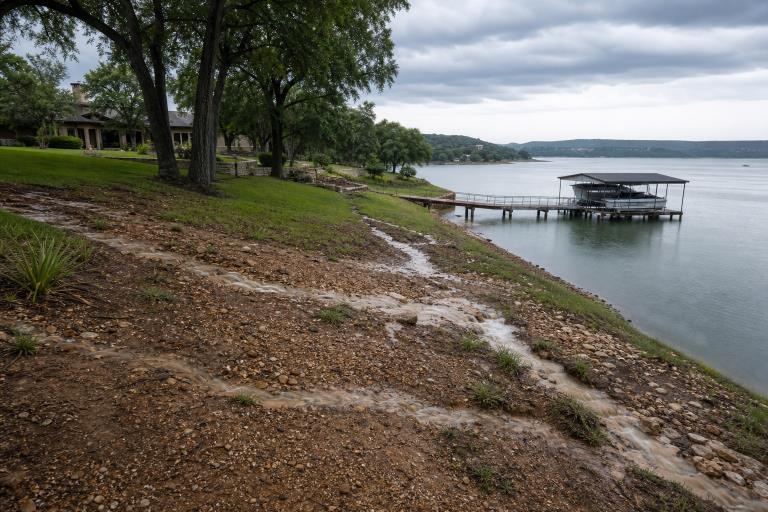
Waterfront conditions can vary dramatically within a short distance. A steep Hill Country lot may shed stormwater rapidly toward the water, while a flatter property may retain standing water near paths and slabs. Reservoir levels can rise or fall, and wind, wakes, floating debris, and heavy rain can all place stress on shoreline features. A dry-season design may not work as intended during high water, which is why planning should consider both ordinary and severe conditions.
Local flood and reservoir information is also valuable when evaluating a property or scheduling work. The U.S. Army Corps of Engineers Canyon Lake updates provide a useful example of the type of official information waterfront owners should monitor during changing flood conditions.
Start With a Shoreline Condition Check
A visual review is not a substitute for engineering or construction advice, but it can help identify concerns before a project is designed. Walk the shoreline after normal rain when possible, then document anything that appears to be changing.
Walk the shoreline after normal rain when possible, then document anything that appears to be changing.
- Cracks, leaning sections, or separation in retaining walls and bulkheads.
- Exposed roots, washed-out soil, or fresh channels created by runoff.
- Loose dock connections, damaged boards, rot, or movement in pilings.
- Standing water near walkways, slabs, steps, and shore-side structures.
- Debris lines that indicate where water has reached during prior events.
Take photos from consistent locations and note the date, weather, and approximate water level. Those records make it easier to explain changes to a qualified professional.
Match the Project to the Main Property Goal
Every waterfront improvement should solve a defined problem. A dock may improve boarding access, but it does not automatically correct erosion. A seawall or bulkhead may support land behind the shoreline, but it must be coordinated with drainage and nearby conditions. Start by identifying the priority.
- Safer access:Consider a dock, pier, walkway, or steps suited to the slope and water depth.
- Shoreline support:Review erosion-control and retaining options with an appropriately qualified professional.
- Boat protection:Compare covered storage, lifts, mooring needs, and boarding clearance.
- Family use:Include lighting, handrails, non-slip surfaces, and unobstructed circulation.
- Future flexibility:Preserve access for inspections, repairs, and changing water levels.
Plan Around Water Levels, Runoff, and Materials
Before choosing finishes or features, determine where stormwater travels after a heavy downpour. Ask whether runoff can carry soil into the lake, undermine a wall, or create slippery areas near steps. Also consider whether construction equipment can reach the shoreline without damaging landscaping, slopes, or existing improvements.
Materials should be selected for exposure rather than appearance alone. Concrete can suit slabs, ramps, and some retaining applications when properly designed. Steel offers strength but requires corrosion protection. Aluminum can be useful for lightweight dock components and ramps. Treated wood provides a traditional look but needs consistent inspection. Stone and native planting may help blend stabilization work into the landscape where site conditions and regulations allow.
Do Not Treat Permitting as an Afterthought
Waterfront work may involve city, county, lake authority, floodplain, environmental, or property-specific requirements. Approval needs can affect dimensions, materials, timing, and even whether a proposed design is feasible. Begin the review before finalizing plans or signing a construction agreement.
- Confirm property boundaries and shoreline ownership.
- Identify the authority responsible for the lake, river, or reservoir.
- Determine whether floodplain or other regulated-area rules apply.
- Gather surveys, site photos, existing plans, and property records.
- Build realistic approval time into the overall schedule.
For a broader context on public shoreline stabilization, buffers, fishing access, and related improvements, the Texas Parks and Wildlife Department shoreline access program shows how access and habitat considerations can be incorporated into waterfront projects.
Build a Clear Scope Before Comparing Quotes
Waterfront proposals are difficult to compare if each contractor defines the work differently. Request a written scope that addresses demolition, excavation, drainage, pilings, materials, equipment access, cleanup, permits, inspections, warranties, and change-order procedures. The lowest number may omit work that is essential for a durable result.
Safety Features That Deserve Extra Attention
Small design choices can make daily use substantially safer. Include non-slip walking surfaces, stable handrails, well-designed steps, low-glare lighting, clear boarding areas, visible elevation changes, and practical access for maintenance or emergency response. Site-specific safety needs should be reviewed during design, not added as an afterthought.
What to Watch After Construction
A completed waterfront project still needs regular attention. Inspect structures at least annually and after major storms, flooding, rapid water-level changes, boat impacts, or debris events. Look for loose hardware, cracks, missing boards, settlement, blocked drainage, fresh erosion, or movement around pilings and retaining structures.
Common Questions From Central Texas Property Owners
Does every waterfront property need the same structure?
No. Soil, slope, water depth, exposure, access, existing damage, and intended use all influence the appropriate solution.
Can a dock solve shoreline erosion?
Usually not by itself. A dock primarily addresses water access, while erosion may require separate drainage, grading, stabilization, or retaining solutions.
How early should permitting begin?
Begin during the planning stage. Waiting until a design is complete can create delays if the reviewing authority requires changes.
Conclusion
Successful Central Texas waterfront projects are planned around the property, the water, and the conditions that may change over time. A careful site review, a defined project goal, a realistic permit schedule, suitable materials, and routine inspections can protect shoreline access and reduce the risk of expensive structural repairs later.