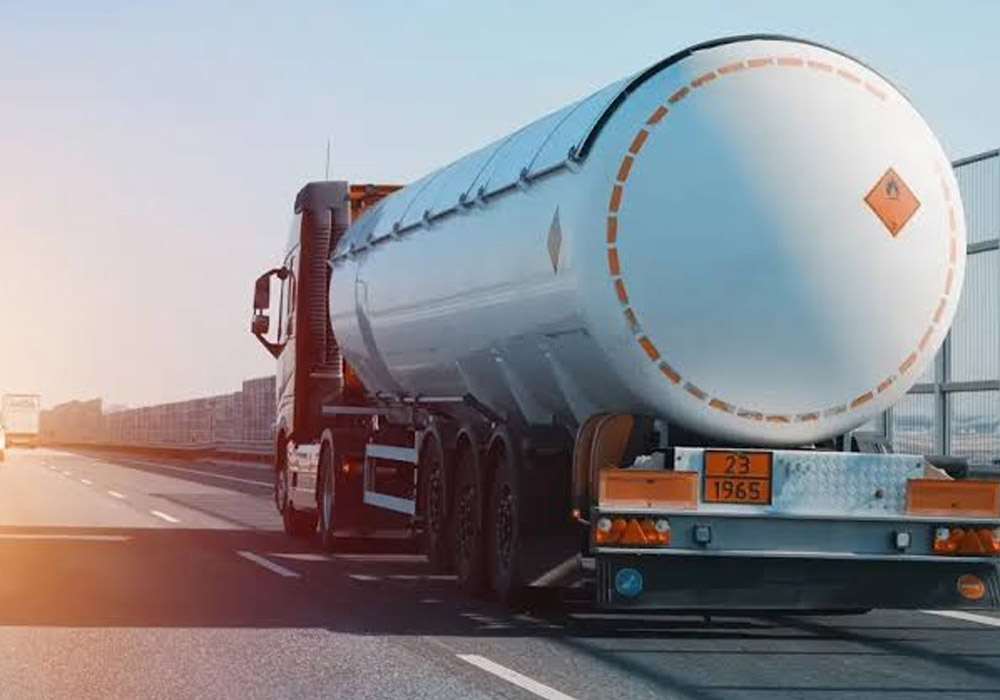
In today’s fast-paced economy, the demand for reliable fuel supply is crucial for many industries. From transportation and construction to manufacturing and agriculture, fuel powers the operations that keep businesses moving. Understanding the role and importance of commercial fuel distributors is essential for companies that rely on steady fuel access to ensure operational efficiency and cost-effectiveness.
What Are Commercial Fuel Distributors?
Commercial fuel distributors are companies that specialise in the supply and delivery of fuel to business customers. Unlike retail petrol stations that serve individual consumers, these distributors focus on the wholesale provision of a range of fuels, including diesel, petrol, heating oil, and alternative fuels, tailored to meet the specific needs of commercial clients.
Types of Fuels Supplied by Commercial Fuel Distributors
The selection of fuel types available through commercial fuel distributors can vary based on the industry and use case. Diesel is commonly supplied for commercial vehicles and heavy machinery, while petrol is provided primarily for lighter vehicles and equipment. Heating oil is another significant fuel type distributed, especially for companies requiring large-scale heating solutions. Recently, there has been an increasing availability of biofuels and other sustainable fuels to support environmental goals in business operations.
Key Functions of Commercial Fuel Distributors
Beyond simply supplying fuel, commercial fuel distributors provide critical services that enable businesses to manage their fuel consumption efficiently. This includes regular and scheduled deliveries, bulk storage solutions, fuel quality assurance, and transparent billing. Some distributors also offer on-site fuel management systems that help companies monitor usage, prevent fuel theft, and optimise fuel expenses.
The Importance of Reliability and Safety
Reliability is a paramount consideration when selecting a commercial fuel distributor. Any interruption in fuel supply can halt operations, leading to substantial financial losses. Trusted distributors maintain robust supply chains and logistics networks to ensure timely delivery, regardless of market fluctuations or challenging weather conditions. Safety standards are also rigorously adhered to in the storage and transportation of fuels to prevent accidents and environmental hazards.
Choosing a Commercial Fuel Distributor
Businesses should evaluate potential commercial fuel distributors based on several factors. These include the distributor’s reputation, range of fuel products, delivery capabilities, pricing structure, and customer service quality. It is important to assess whether the distributor can provide tailored solutions such as flexible delivery schedules, fuel cards, or bulk purchase discounts.
Customised Fuel Solutions
Commercial fuel distributors often work closely with customers to develop customised fuel strategies. These may involve contract pricing to protect against volatility, scheduled deliveries aligned with operational needs, and comprehensive reporting on fuel usage. By adopting bespoke fuel management practices, businesses can optimise cash flow and maintain control over their fuel expenses.
The Role of Technology in Fuel Distribution
Advancements in technology have significantly enhanced the capabilities of commercial fuel distributors. Digital platforms now allow customers to place orders online, track deliveries in real-time, and access detailed usage reports. Telematics and fuel tracking devices can be integrated to provide even greater transparency and efficiency in fuel consumption management.
Environmental Considerations
The fuel distribution sector is increasingly responsive to environmental concerns. Many commercial fuel distributors are incorporating sustainable practices, such as offering low-carbon fuels, promoting energy-efficient delivery methods, and adopting renewable energy in their operations. This shift helps client companies meet their corporate social responsibility goals and reduce their carbon footprint.
Cost Implications for Businesses
Fuel represents a significant operational cost for many organisations. By partnering with reputable Commercial Fuel Distributors, businesses can access competitive pricing, bulk purchase incentives, and tailored billing arrangements that improve financial planning. Efficient fuel management enabled by distributors also reduces wastage and enhances overall cost control.
Comparing Commercial Fuel Distributors
When comparing distributors, businesses should consider service breadth, coverage area, and additional value-added services. Some distributors specialise in certain fuel types or sectors, while others offer comprehensive multi-fuel solutions. References and client feedback can provide insight into reliability and service quality, guiding an informed selection process.
Compliance and Regulatory Standards
Commercial fuel distributors must comply with a variety of regulatory requirements related to fuel quality, safety, tax, and environmental standards. Ensuring the chosen distributor meets these obligations is crucial to avoid penalties and operational disruptions. Confidence in compliance reduces risk and secures long-term partnership stability.
Future Trends in Commercial Fuel Distribution
The commercial fuel distribution industry is evolving in response to technological innovation and shifting energy policies. The growth of electric vehicles, alternative fuels, and smart infrastructure will shape future distribution models. Distributors adapting early to these trends will be better positioned to meet changing customer demands.
Conclusion
For businesses reliant on fuel, partnering with competent commercial fuel distributors is vital to operational success. A distributor that offers reliable supply, competitive pricing, customised services, and technological integration can provide significant advantages. Understanding the various aspects of commercial fuel distribution helps companies make informed decisions, manage costs effectively, and support sustainable practices for the future.