Walk into any estate sale in Scottsdale on a Saturday morning and the scene tells you something the numbers later confirm. Buyers arrive early, they know what they want, and the better pieces rarely sit long. Arizona’s jewelry resale market has been quietly building momentum for years, and several converging forces are now pushing it into sharper focus.
A Global Trend With Strong Local Roots
The rise of pre-owned fine jewelry is not unique to Arizona, but the state sits in a particularly favorable position within a broader national shift. According to one report on the hard luxury market, the secondhand market for watches and pre-owned and estate jewelry is worth over $22 billion worldwide, growing at 8% annually, significantly faster than the luxury industry overall. That growth rate reflects a structural change in how consumers think about jewelry. Not just a passing preference for vintage aesthetics.
The trend is driven by growth in online sales, shifting consumer preferences, and rising concern about sustainability among younger buyers. Each of those factors plays out in Arizona in a specific way. The Phoenix metro draws a younger, tech-comfortable demographic alongside a well-established retiree population, creating a buyer pool that spans generations and motivations.
The Sustainability Angle
Younger buyers in Scottsdale, Tempe, and the broader East Valley increasingly frame pre-owned jewelry as the ethical choice. Pre-owned, antique, and recycled jewelry has gained momentum fast due to supply chain disruptions and a broader consumer shift toward buying existing items, and secondhand jewelry and reclaimed materials are considered the most sustainable option available, given the environmental and social effects of mining. For a buyer who wants a meaningful piece without the sourcing concerns tied to newly mined stones, estate jewelry resolves the tension cleanly.
The Investment Framing
Rising gold prices, stronger resale platforms, and renewed interest in signed pieces all signal a structural shift. Jewelry is no longer viewed only as adornment. It gets evaluated as an object of enduring value. This shift in framing matters in Arizona, where a significant portion of the population has accumulated wealth and views fine jewelry as part of a diversified asset picture rather than a purely sentimental purchase.
What Is Actually Moving in the Phoenix and Scottsdale Market
Not all pre-owned jewelry performs equally. The categories drawing the most consistent buyer interest in Arizona reflect both local taste and broader collector patterns.
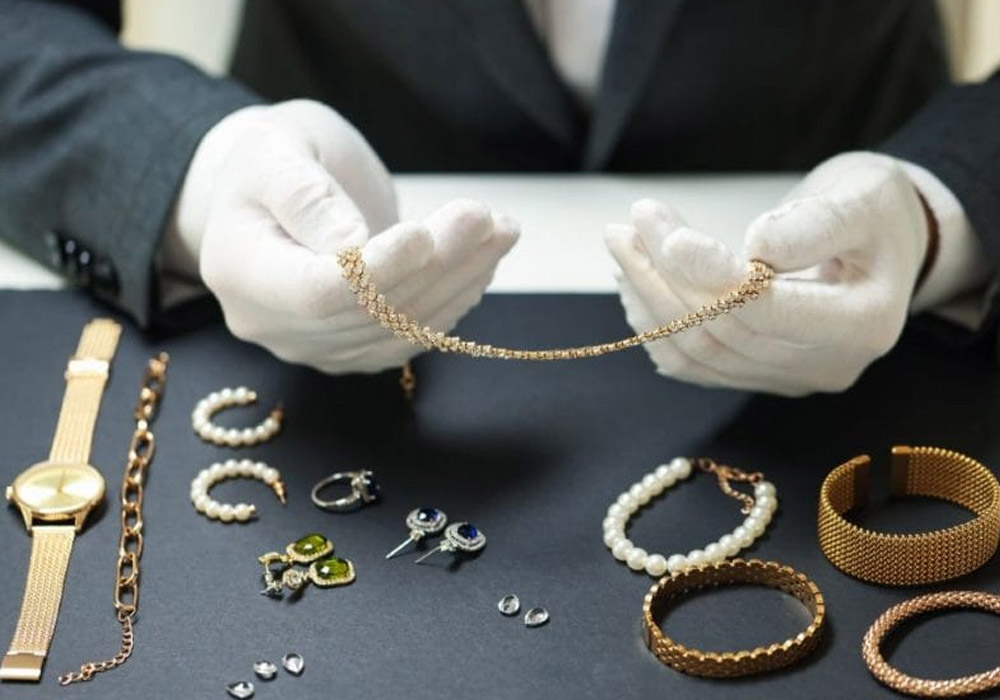
Estate pieces from names like Cartier, Tiffany, and David Yurman consistently fetch 10 to 30 percent above spot value due to their collectible status, and Art Deco and mid-century modern rings and bracelets have surged in popularity, especially among jewelry buyers in Phoenix, Scottsdale and Paradise Valley. These are not casual curiosity purchases. Buyers in those neighborhoods often arrive with specific eras or designers already in mind.
Local collector trends, including Southwestern turquoise accents and vintage Native American styles, affect demand and premiums in ways that differ sharply from New York or Los Angeles. A piece that moves slowly elsewhere can command a premium in Arizona on regional affinity alone. Dealers who understand that geography matters to valuation have a real edge.
The categories generating the most consistent activity include:
- Signed designer pieces from Cartier, Van Cleef and Arpels, and Tiffany, which hold strong resale comparables and attract both local buyers and online purchasers.
- Art Deco and Edwardian rings, particularly those with old mine or old European-cut diamonds, which younger buyers seek out for their distinct character.
- Vintage Native American and Southwestern jewelry, which carries cultural significance and strong regional collector demand.
- Estate gold, especially heavier yellow gold pieces from the 1960s through 1980s, which have tracked rising gold prices while retaining craftsmanship premiums.
The Supply Side: Why Inventory Is Growing
The resale surge is not only a demand story. Supply is expanding too, and Arizona’s demographics explain a large part of why.
Over 19 percent of Arizona’s residents are aged 65 and older, and that proportion will grow to 22 percent in about 10 years. An aging population means estate settlements, downsizing, and inheritance events are happening with increasing frequency across the state. Each of those events tends to surface jewelry held for decades, often pieces with genuine collector value that families are not equipped to evaluate on their own.
The fine jewelry market is experiencing a period of dynamic change, and for those specializing in pre-owned, estate, and secondhand pieces, conditions are aligning favorably, from sweeping policy changes to shifting consumer values and the largest intergenerational wealth transfer in history. In Arizona, that wealth transfer is accelerating. Families relocating to the Phoenix metro from California, the Midwest, and the Northeast bring collections with them, and many eventually enter the resale market.
Tariffs and the New Economics of Pre-Owned
The 2025 tariff environment added an unexpected accelerant to the pre-owned jewelry market. In its sixth edition of the Clair Report, luxury resale platform Rebag credited global tariffs for shifting consumers toward antique, vintage, and resale, as global tariff shifts in 2025 raised primary market prices across handbags, watches, and fine jewelry, reinforcing the resale market’s position.
When the landed cost of a new diamond ring increases, a well-maintained estate piece with comparable stones and craftsmanship becomes a more direct value comparison. Buyers who might have defaulted to a new purchase now run the math differently. Natural diamonds, especially pre-owned, are perceived as more stable long-term investments than lab-grown alternatives. That perception, combined with tariff-driven price increases on new inventory, has made estate pieces a practical choice rather than a compromise.
Arizona’s Population Growth Keeps the Pipeline Moving
Demand for estate jewelry requires a steady flow of both buyers and sellers. Arizona’s population trajectory supports both sides of that equation. According to estimates from the Arizona Office of Economic Opportunity, Arizona added 97,044 residents between July 1, 2024, and July 1, 2025, representing a growth rate of 1.2%. That ongoing inflow brings new buyers into the market while also introducing sellers who are liquidating collections from previous homes, managing inherited pieces, or adjusting their tastes after a move.
Arizona continues to attract high-income retirees and job seekers due to lower taxes and a favorable climate. High-income retirees, in particular, represent both the supply and demand sides of the estate jewelry market. They may arrive with collections built over decades and a genuine interest in acquiring pieces that fit their current lifestyle.
North America currently leads vintage and estate sales, and there has been a palpable shift in how consumers perceive estate jewelry on a mainstream level as they gain greater access to education on rarity, craftsmanship, and inventory. Arizona sits squarely within that leading region, and its demographic profile amplifies the national trend rather than simply reflecting it.
Where the Market Is Heading
The fundamentals point toward continued growth. The global vintage-ring market stands at $3.29 billion for 2024, and projections suggest that rising disposable income and growing demand for luxury goods will push that figure to $5.23 billion by 2031. Markets with strong retiree populations, high disposable income, and active auction and dealer infrastructure, all of which describe Arizona, are positioned to outperform the national average within that trajectory.
The shift in perception that has been building for years is now mainstream enough to sustain itself. All signs point to antique and vintage jewelry as having a moment in 2026, as retailers, dealers, and shows invest heavily in the public’s fascination with celebrity collectors and their own jewelry fantasies. That investment reinforces consumer awareness, which in turn drives more transactions.
Conclusion
Arizona’s jewelry resale market is not a trend that appeared overnight. It reflects a durable alignment of demographics, wealth migration, sustainability values, and macroeconomic pressure on new luxury goods. The state’s growing older population keeps estate inventory moving, its steady influx of affluent newcomers sustains buyer demand, and the broader cultural rehabilitation of pre-owned fine jewelry removes the hesitation that once kept buyers on the sidelines. For anyone involved in this market, whether buying, selling, or advising, the current environment rewards those who understand what drives value beyond the weight of the metal.